In any depiction of Noah's Ark that you care to look at, there are always a couple of giraffes with their heads poking out the roof. Which raises the question of whether giraffes really needed the ride. They are so tall that you would think they could just stand on the bottom with their heads above the water. Perhaps nonchalantly chewing on the tops of trees while waiting for the waters to subside.
While this could be how they did it, clearly it all depends on how deep the water was. Very crucial in the case of giraffes as no-one has ever observed a giraffe swimming. Some scientists modeled it all out. The giraffe's problem is the weight of its neck (immense) and head. So while you might think its long neck an advantage, to be used as a snorkel, in fact the poor animal has a tendency to capsize into a head down orientation. So all those pictures of the Ark are probably correct. Giraffes need saving from deep water.
Some are disapproving of zoos. I understand the sentiment. Sometimes it feels like a guilty pleasure. So for you:
Meanwhile, zoos, or the best of them, are modern day Noah's Arks. San Diego Zoo is a non-profit, devoting its funds to preservation. Some of these efforts go into maintaining endangered species inside zoos. Where we can go and gawp. (They also run some wildlife projects.) All the animals at San Diego Zoo are either bred here or are wildlife rescues. And the visitor can feel they are contributing to all this by paying big bucks to enter and have a good time. I am beginning to feel positively virtuous.
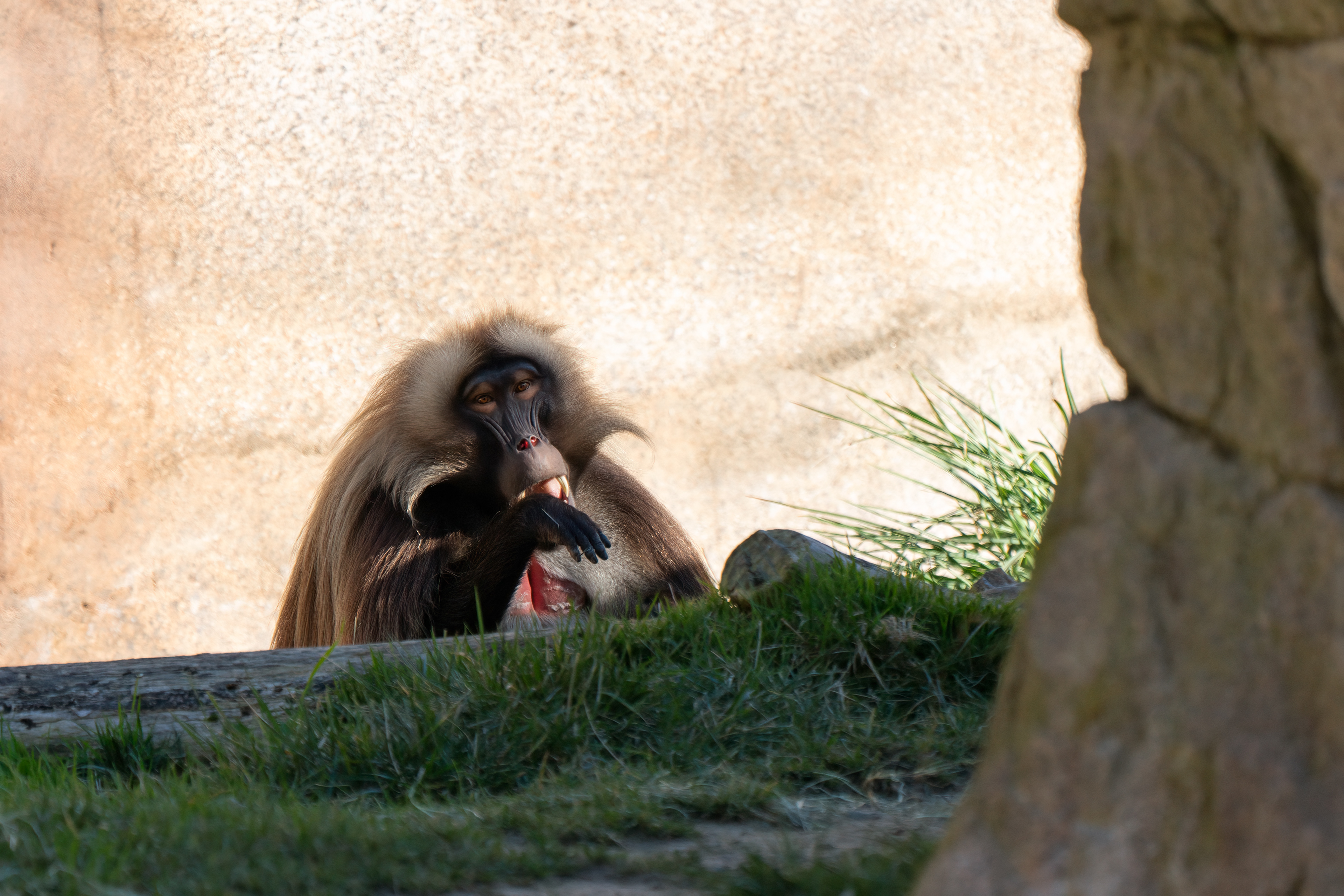
Baboons
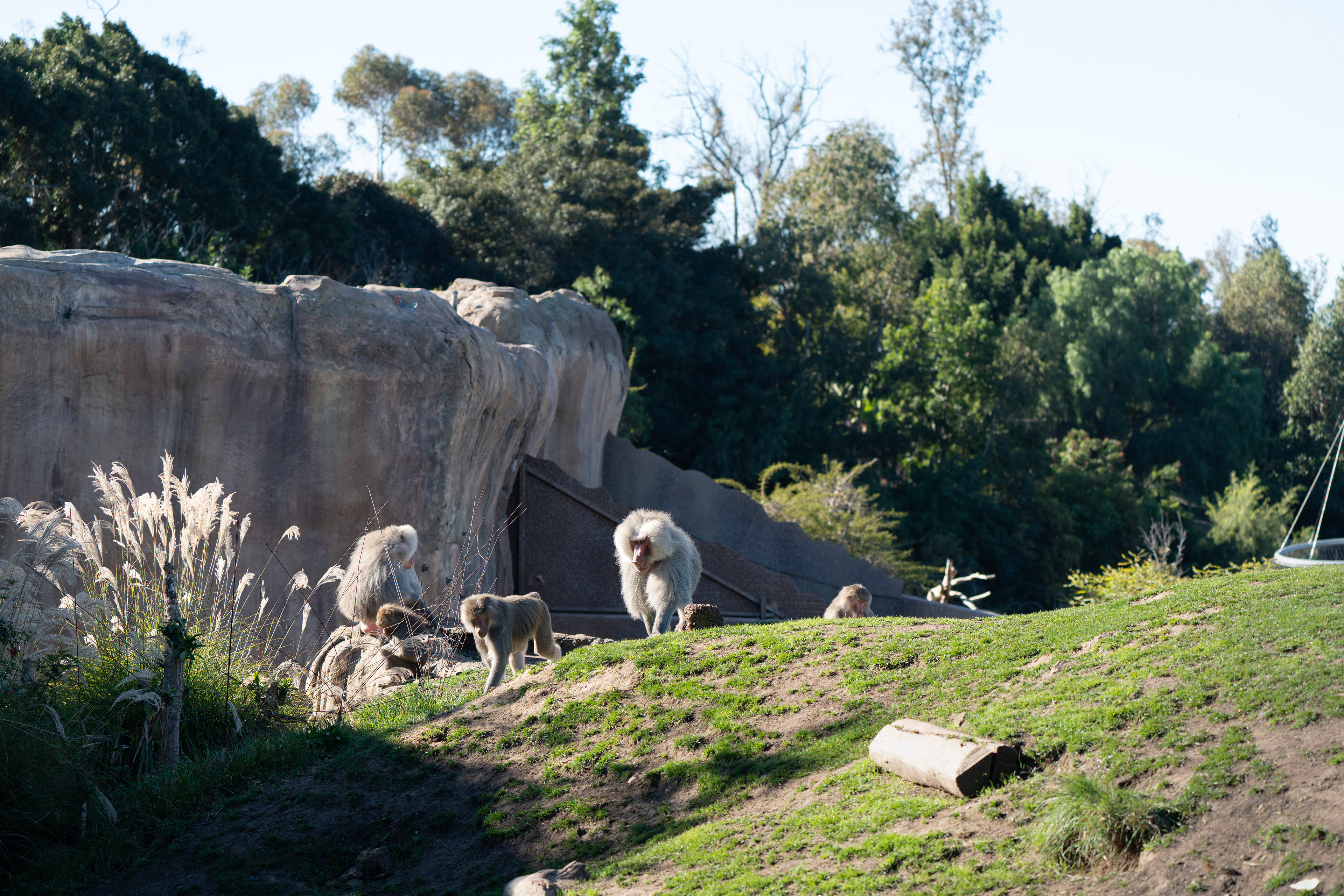
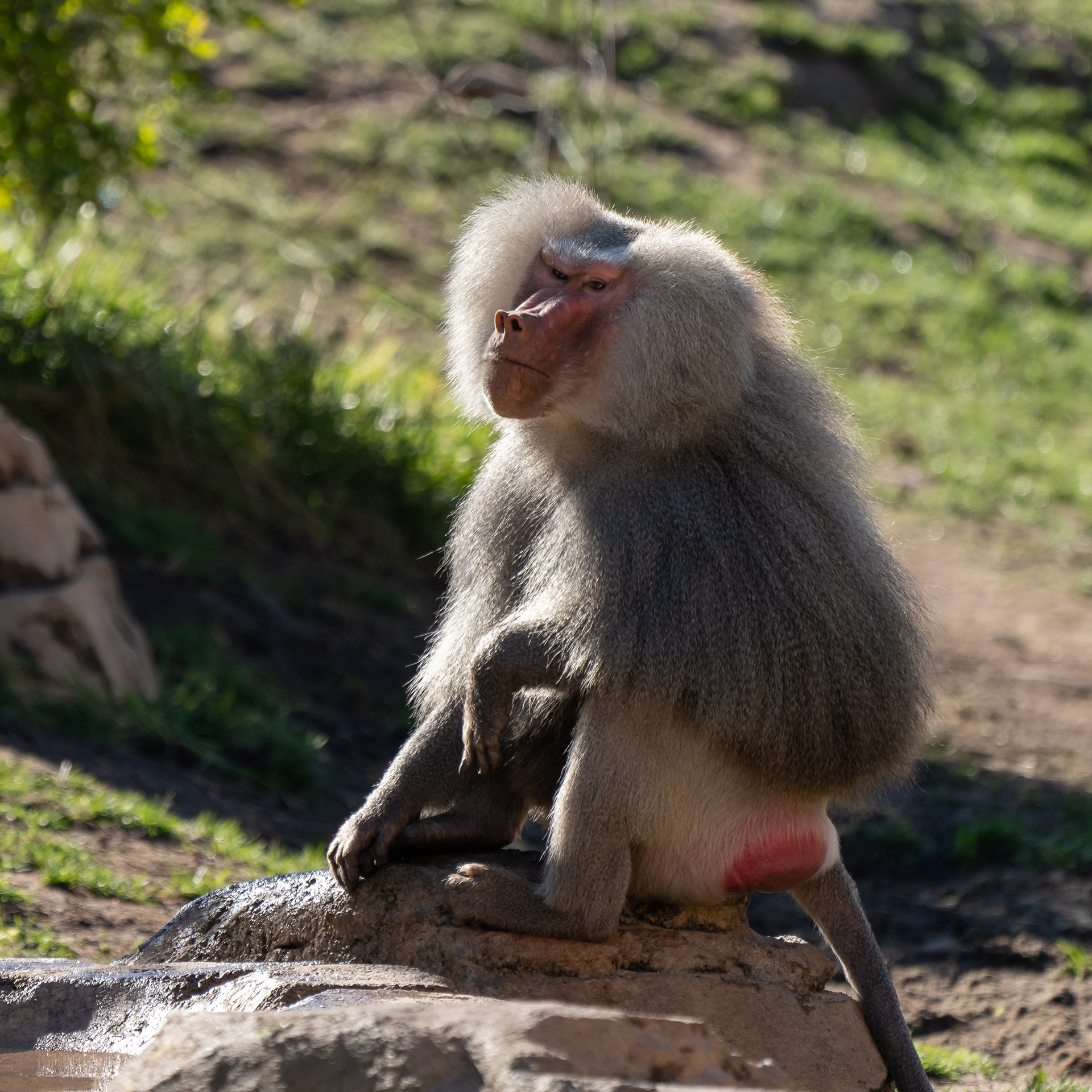
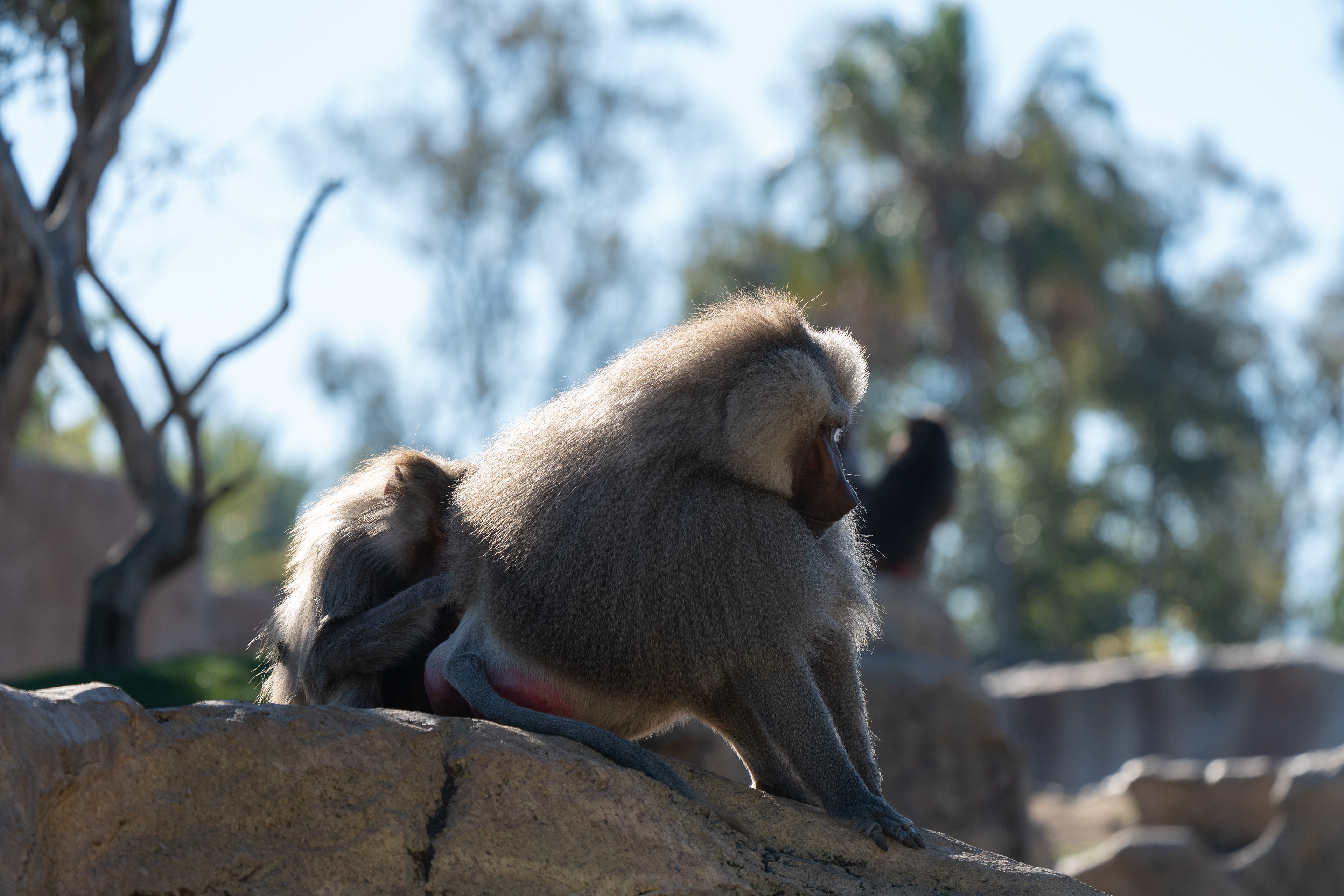
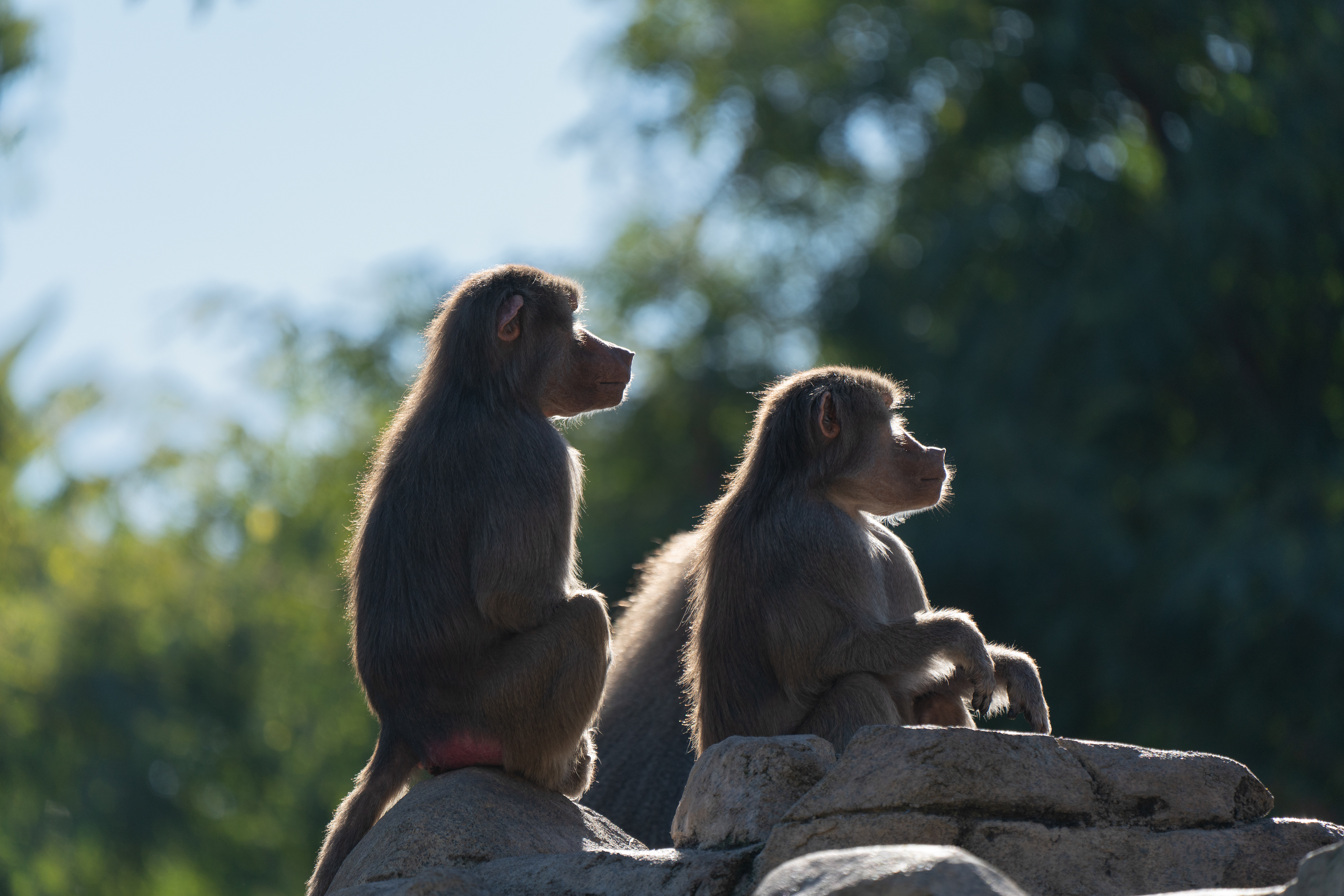
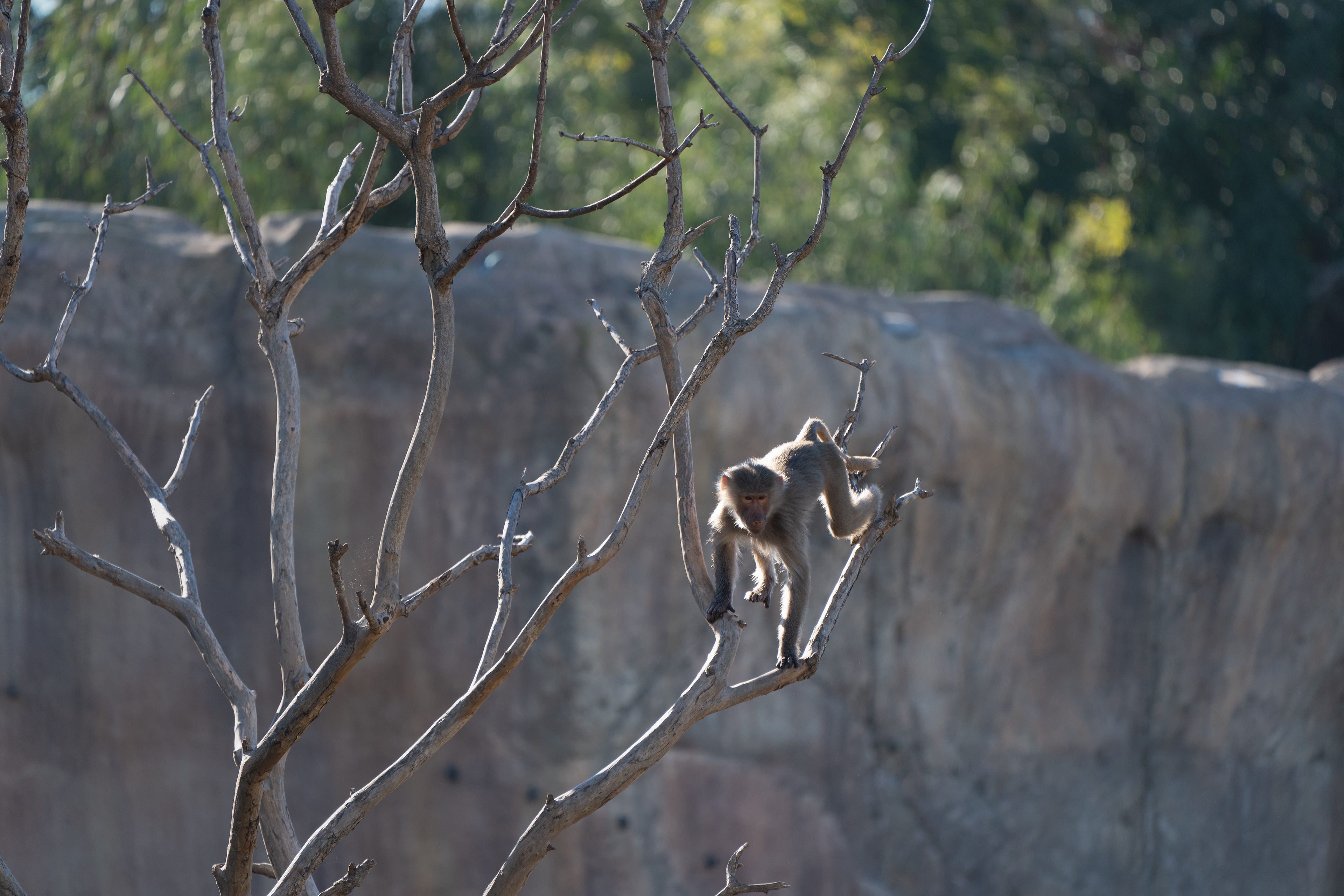
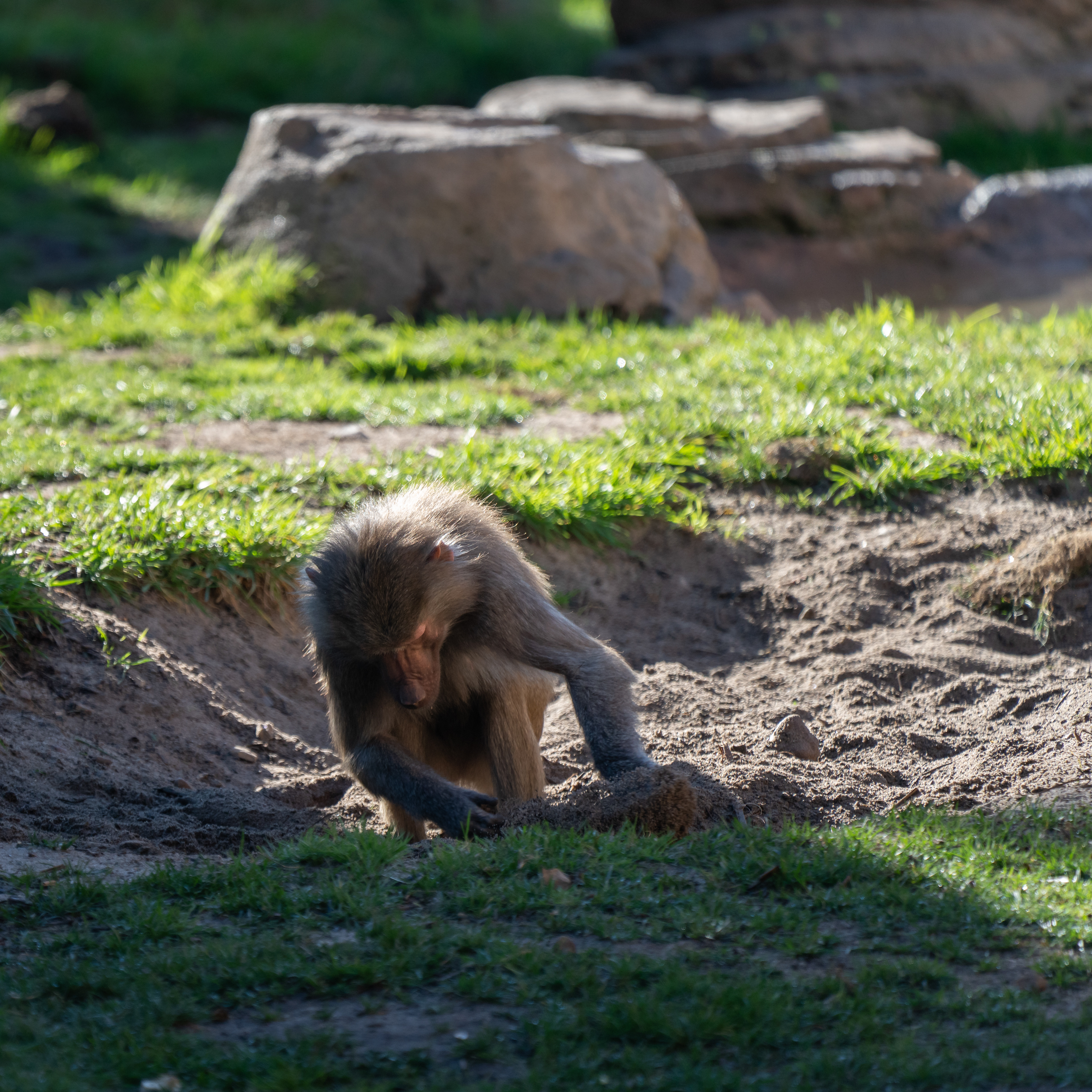
Youngster scrabbling in the dirt. Probably a zoo keeper hid something there.
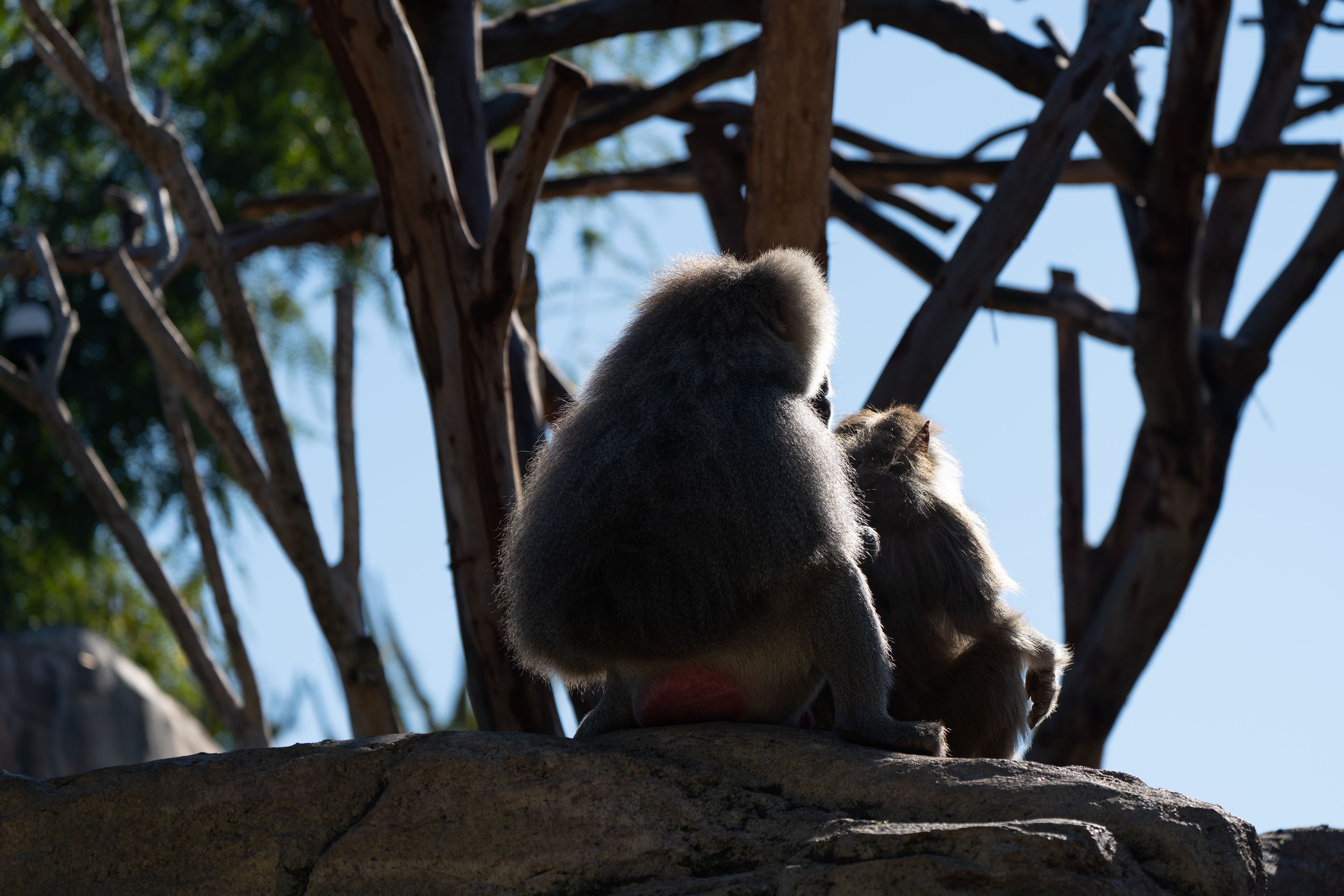
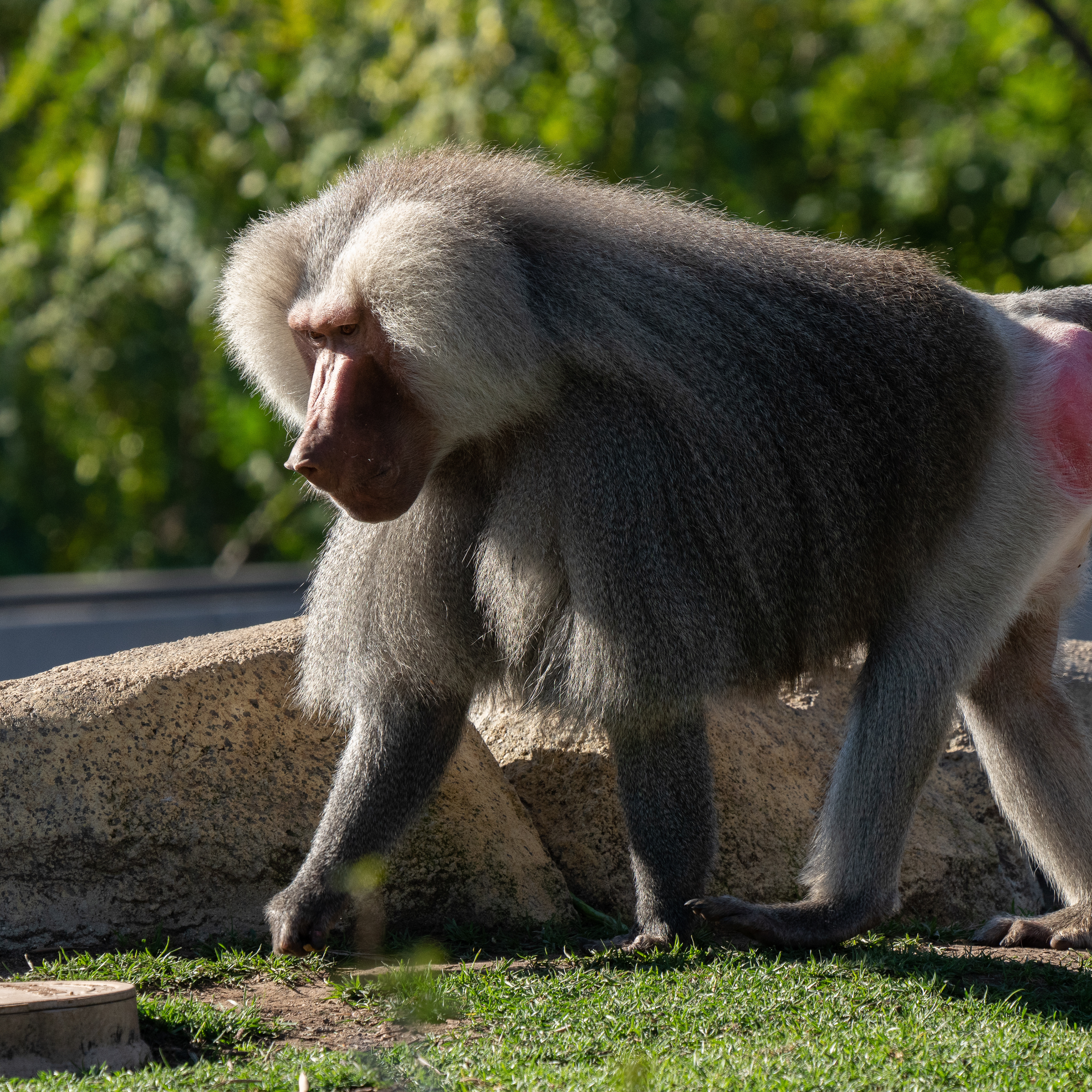
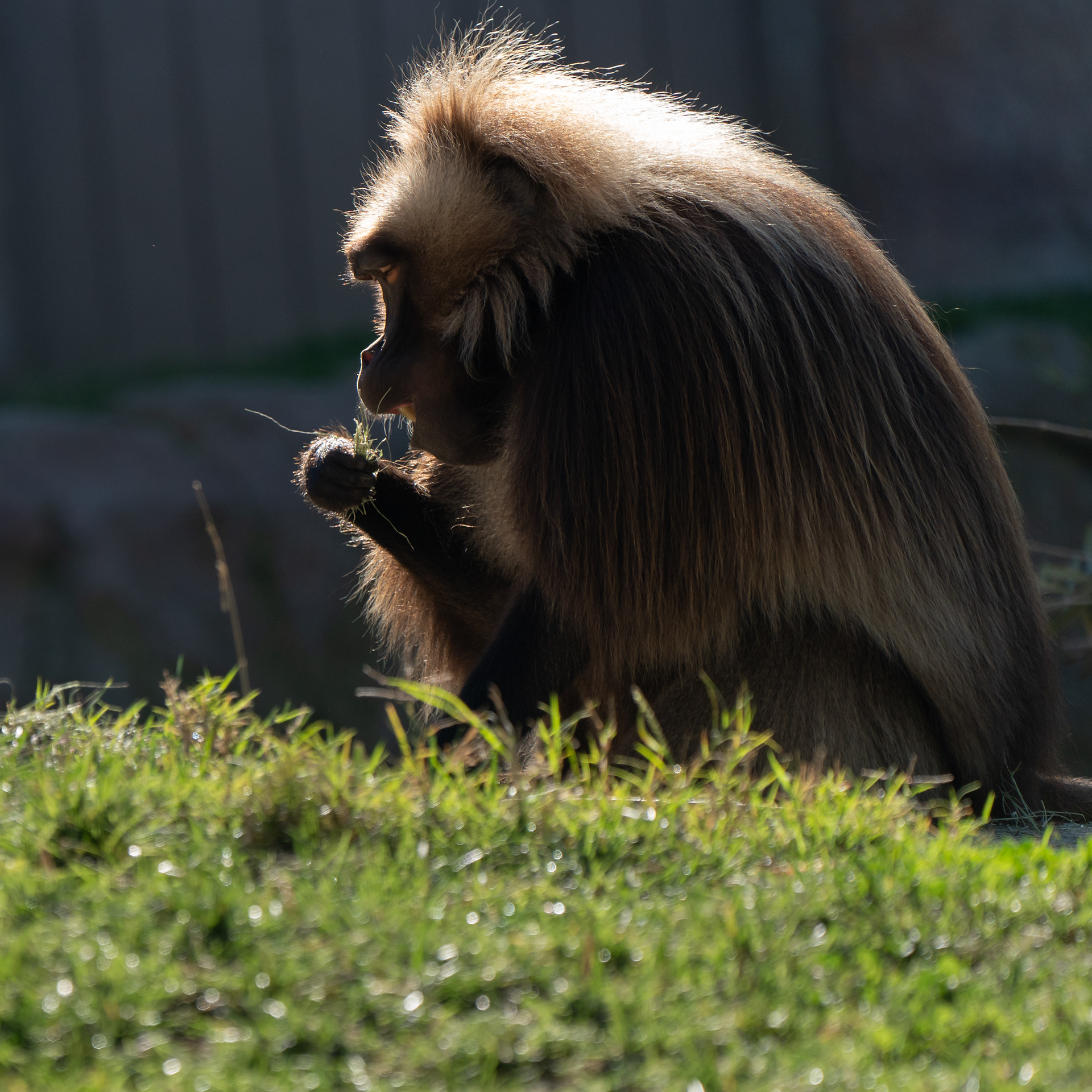
Gelada Baboon
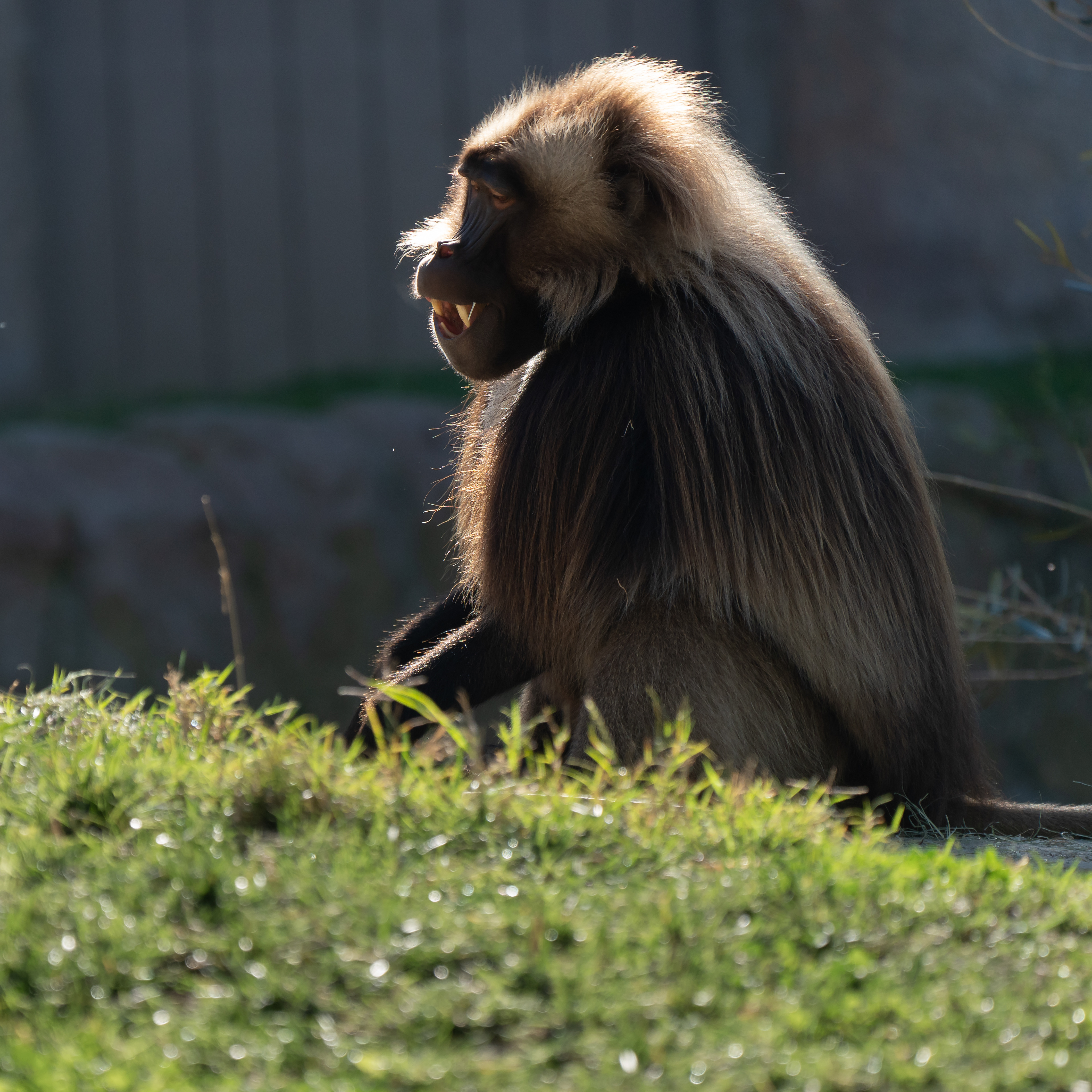
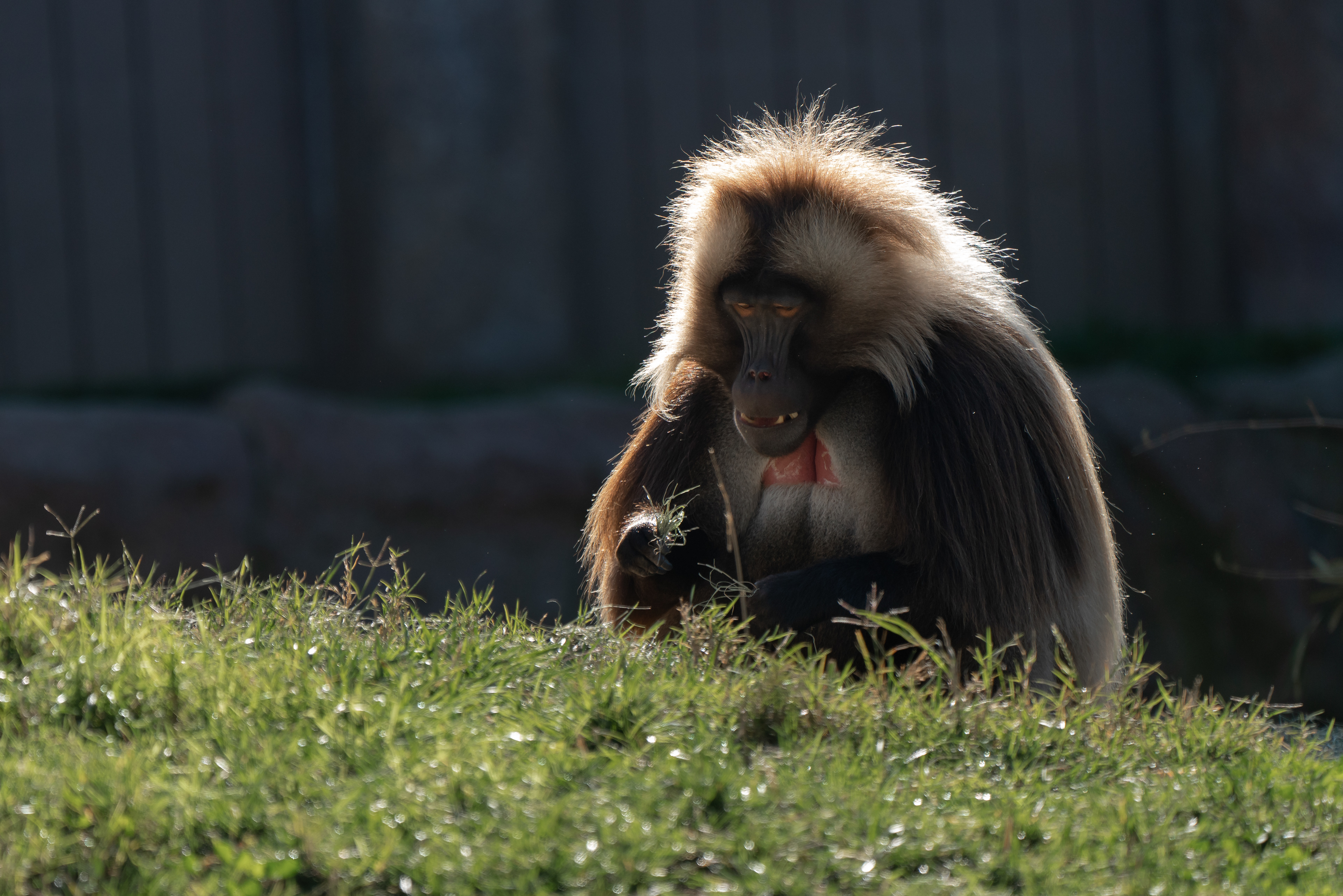
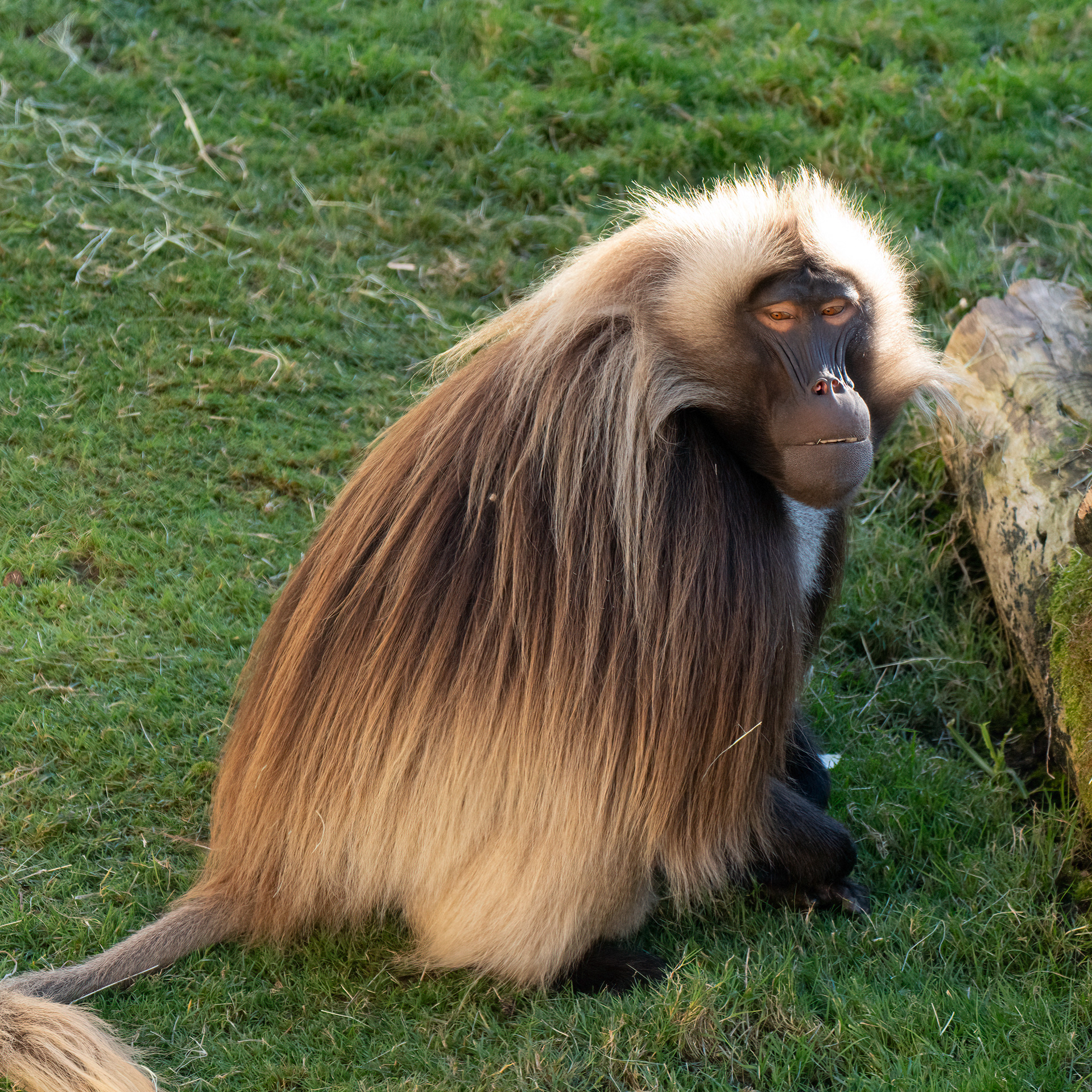
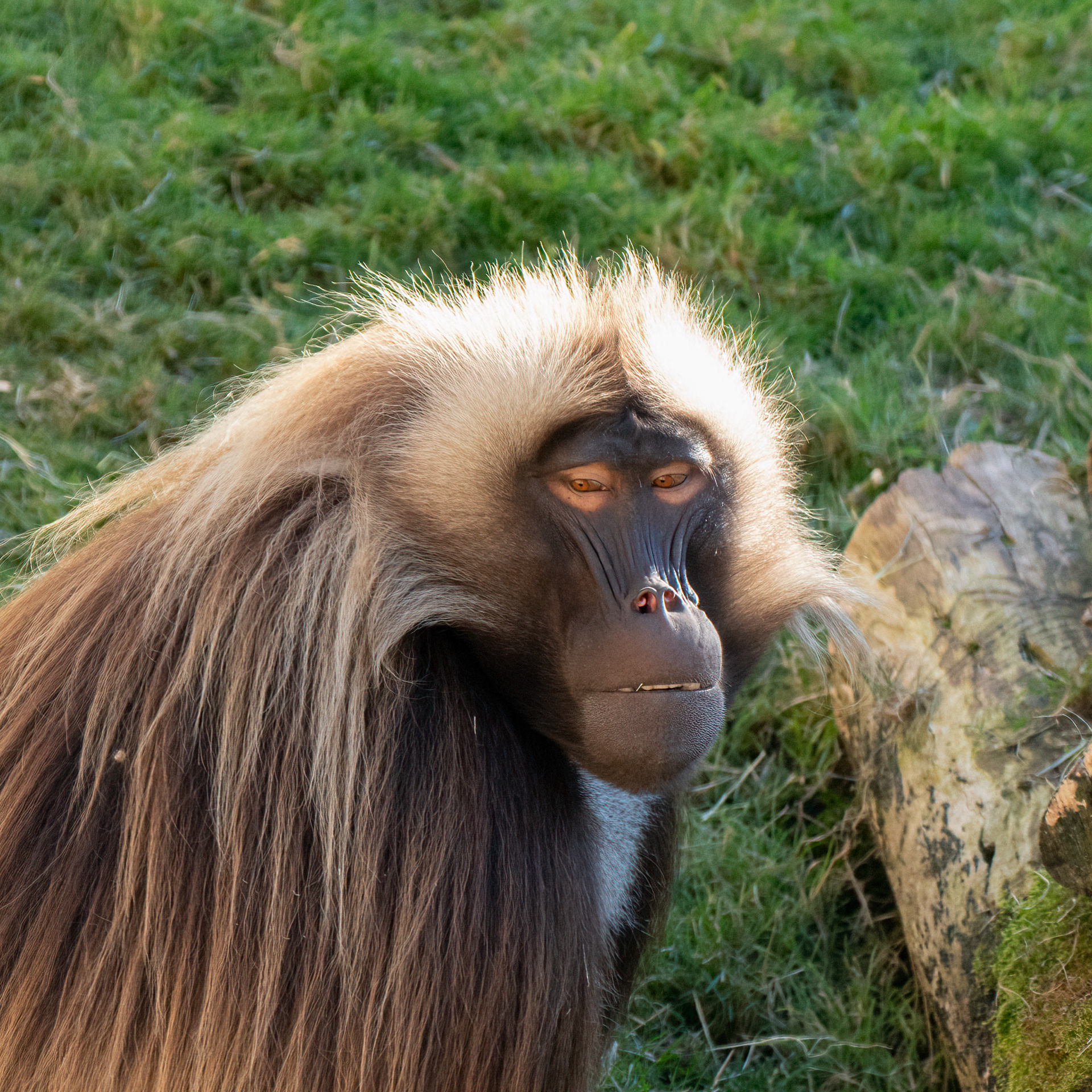
Go around the Africa Rocks Woodland Aviary:
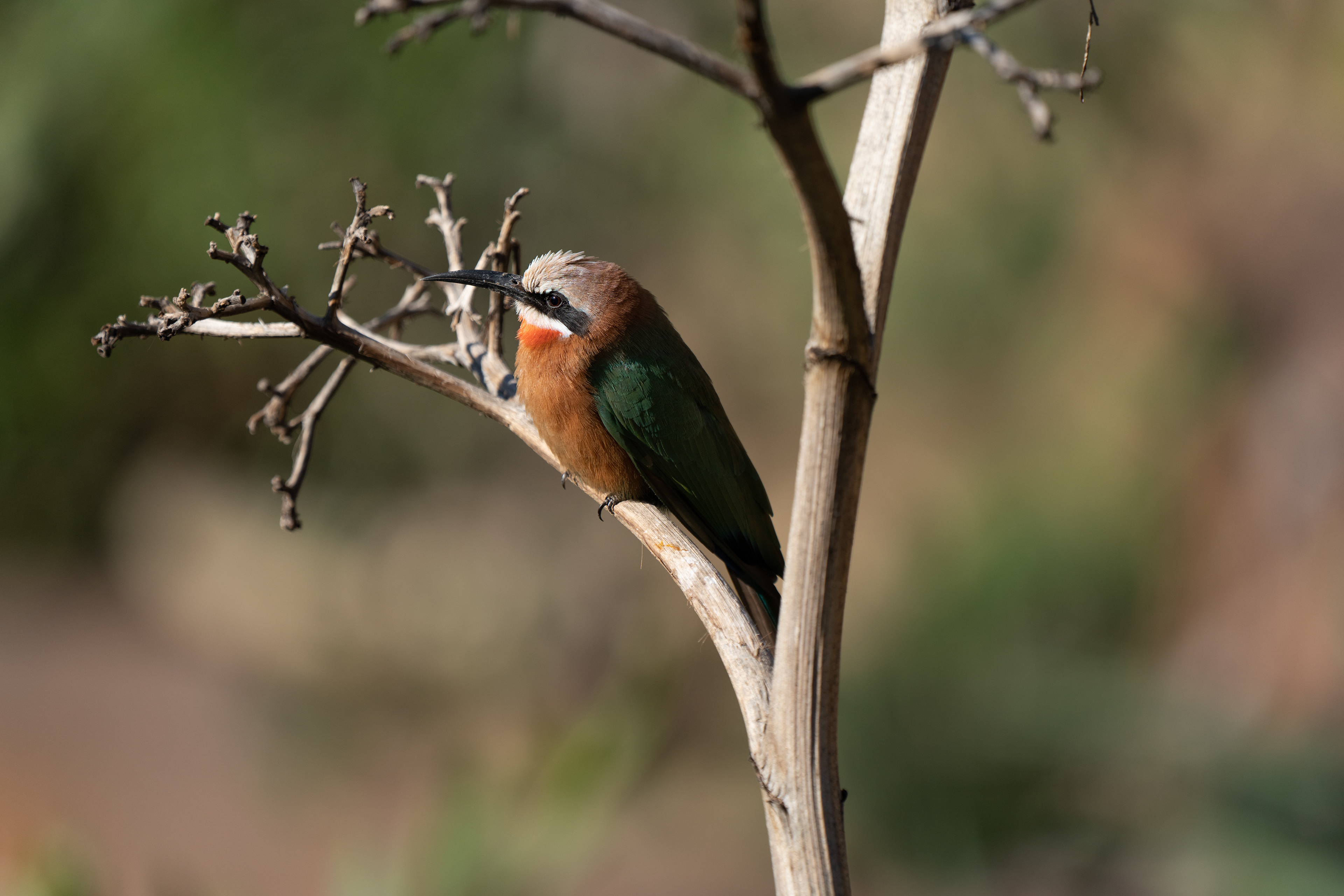
Africa Rocks Woodland Aviary (album)
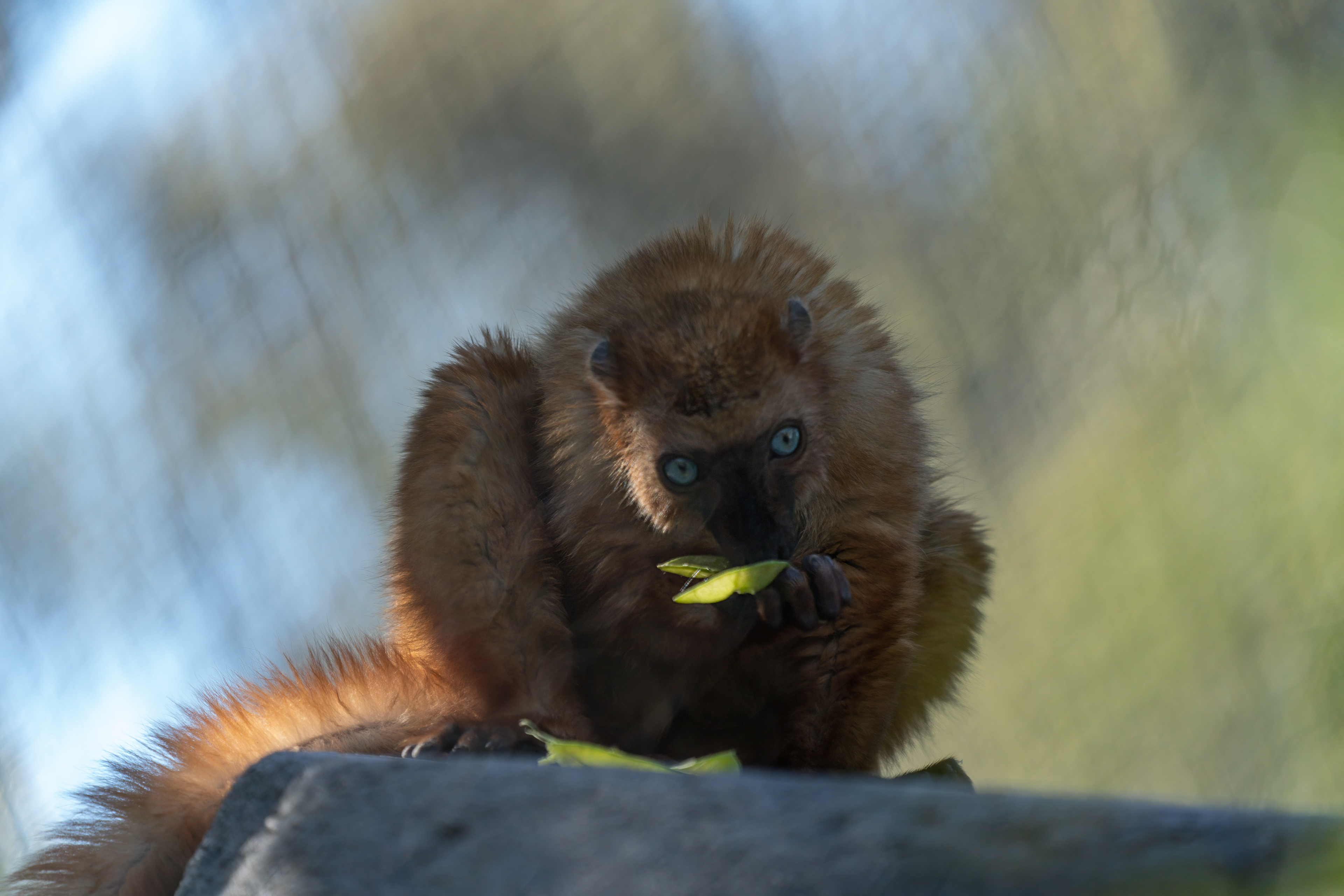
Blue eyed Black Lemur
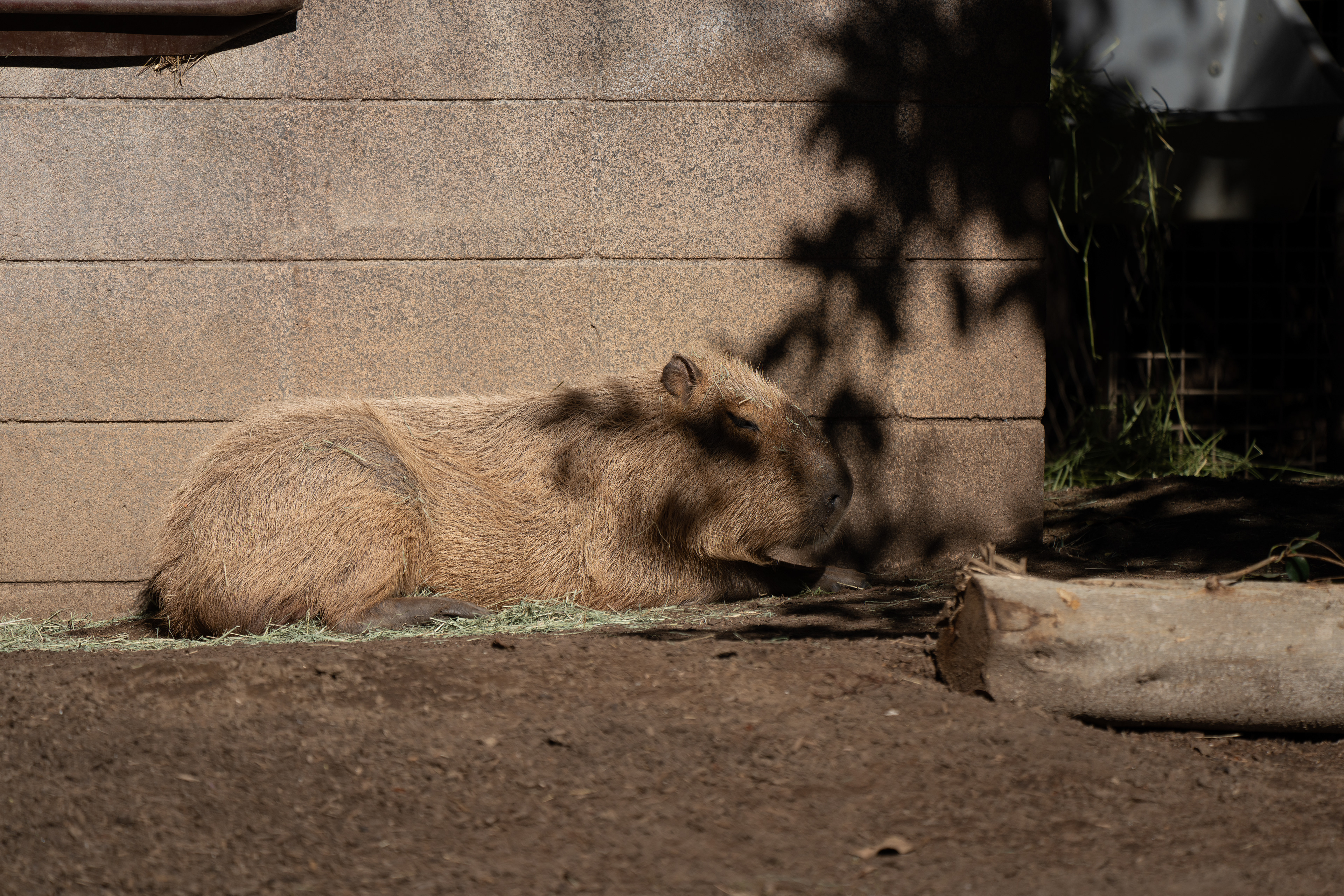
Capybara
The capybara is one big rat. The largest of the rodents, it is the size of a pig. It is very social given the chance, living in groups of 20 - 100. Vegetarian. An excellent swimmer, it is liable to make like a submarine, swimming just under the surface with its nose poking out. Keeps cool on hot days that way.
Elephants
In water it can indeed use its trunk as a snorkel. In fact it has to, as it floats just under the surface. And unlike the giraffe, it does not capsize. In fact it swims quite competently. But there are few rivers where adults have to, as they can usually just plod along the bottom.
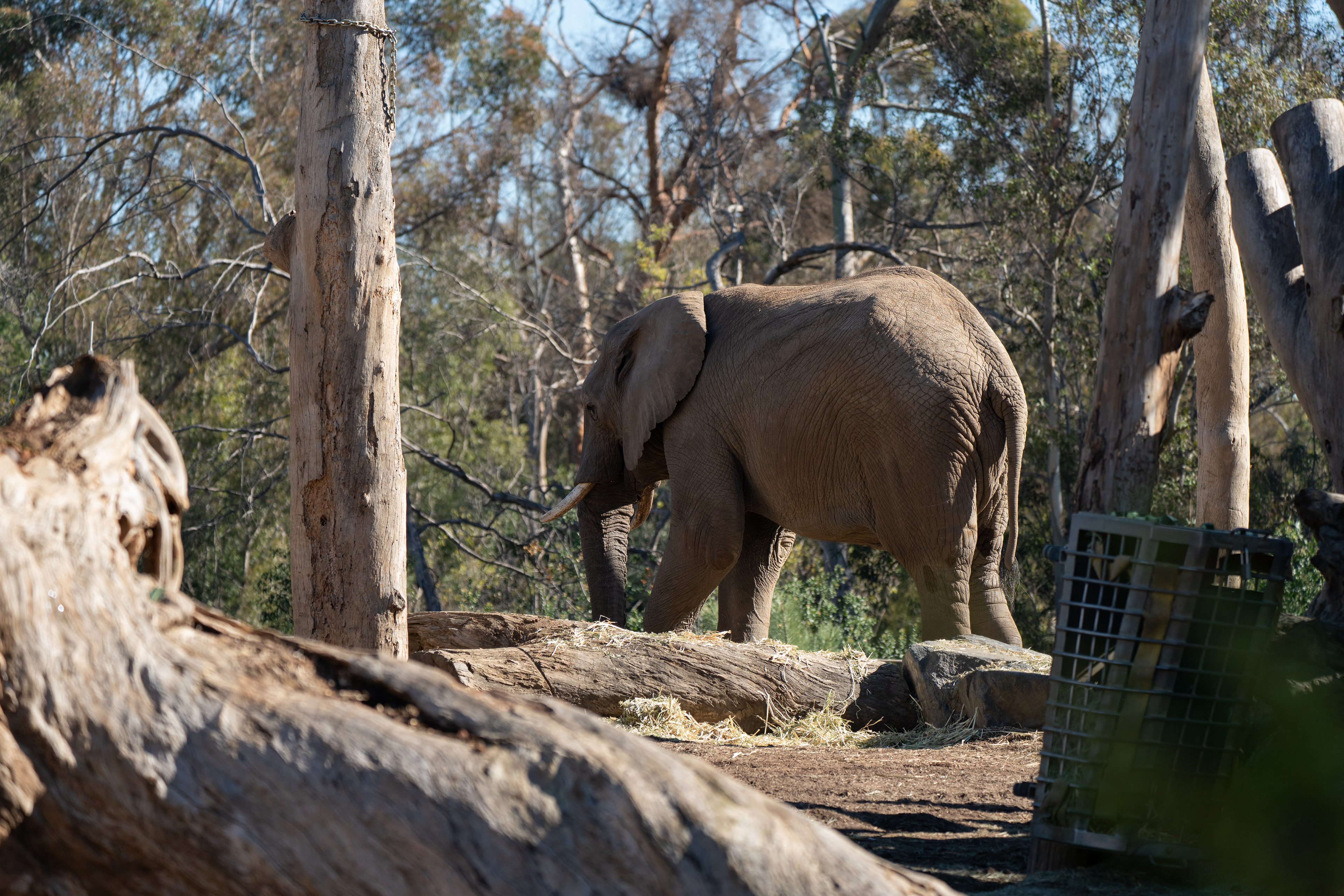
The zoo keepers are firm believers in making the animals work for a living. One of their latest fiendish devices is a large diameter pipe hanging from a tall tree by a rope tied around its middle. It is filled with elephant lunch. The pipe swings and bobs, and is generally vexing when investigated by an elephant trunk. The elephant below was sufficiently crafty or persistent to get it.
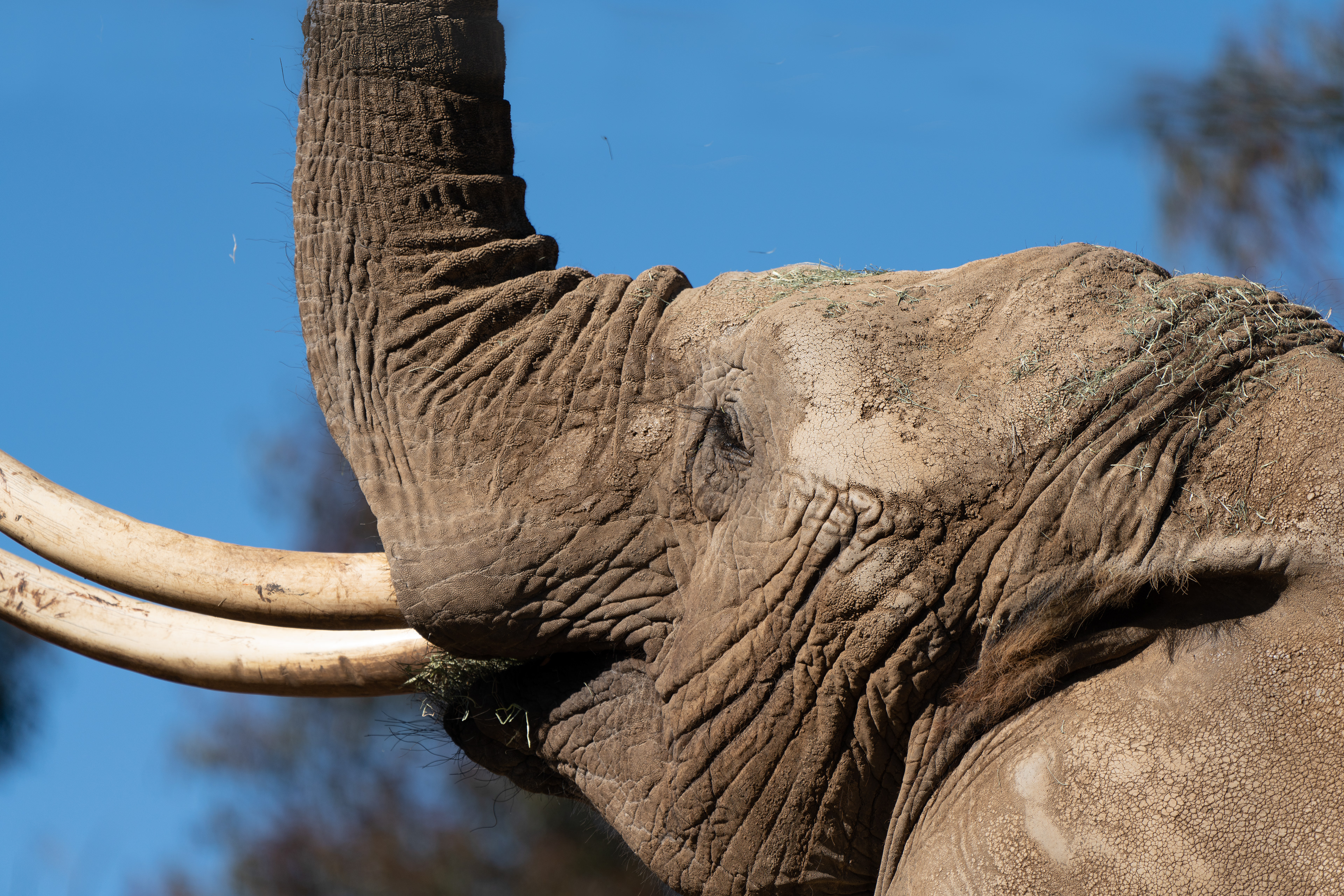
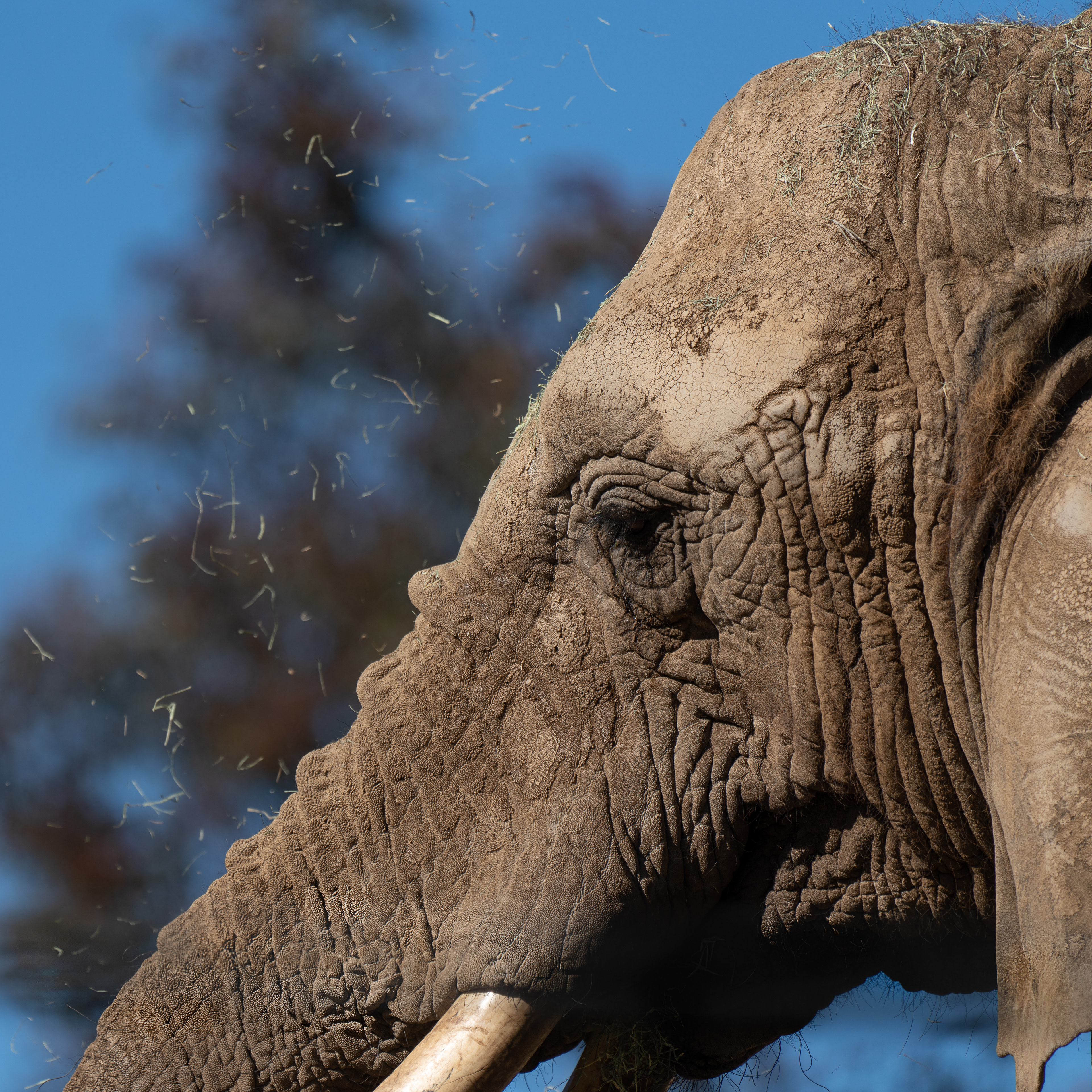
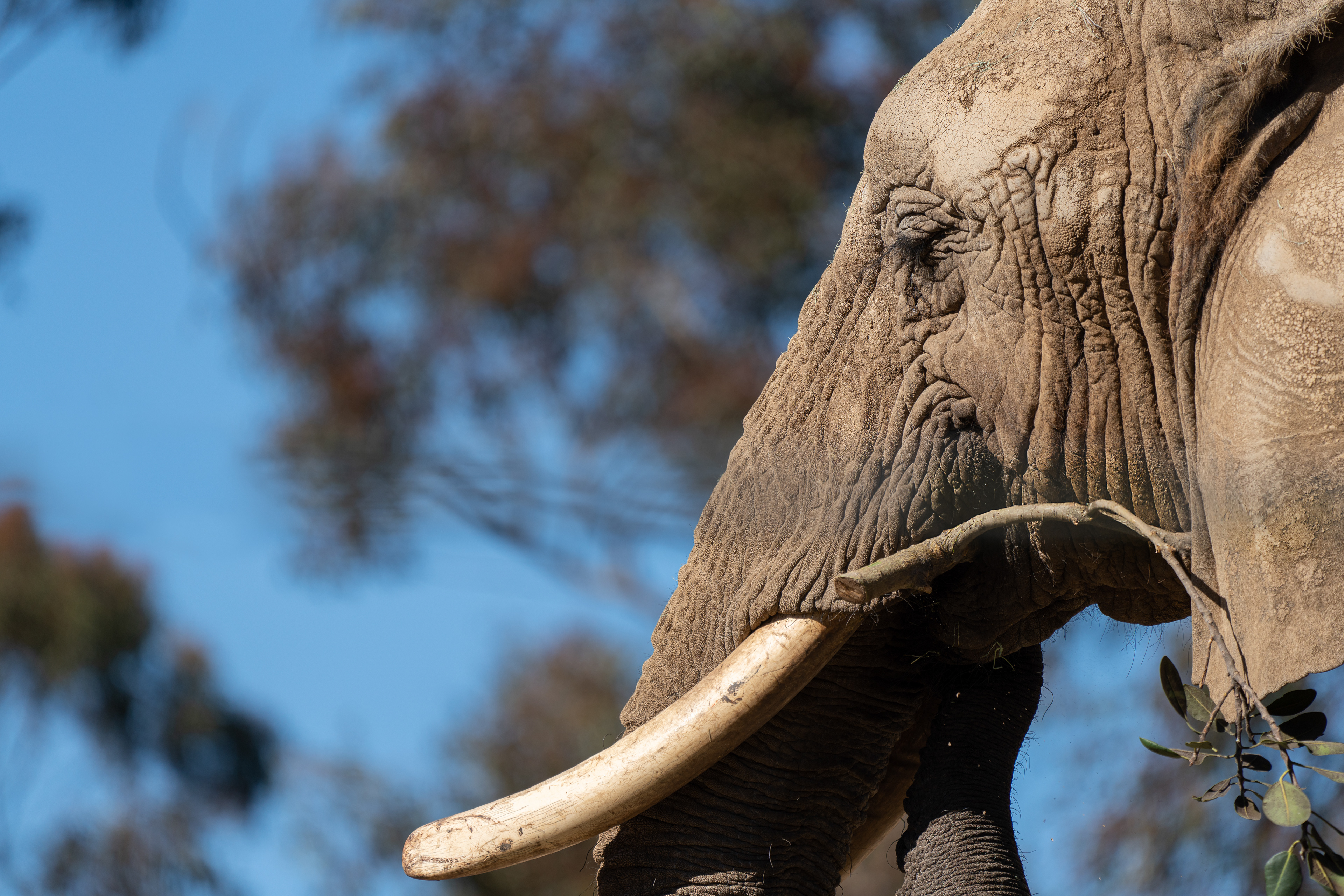
Here, the elephant decided to just eat the tree. Or is at least make a start on it. The zoo keepers hadn't thought of that:
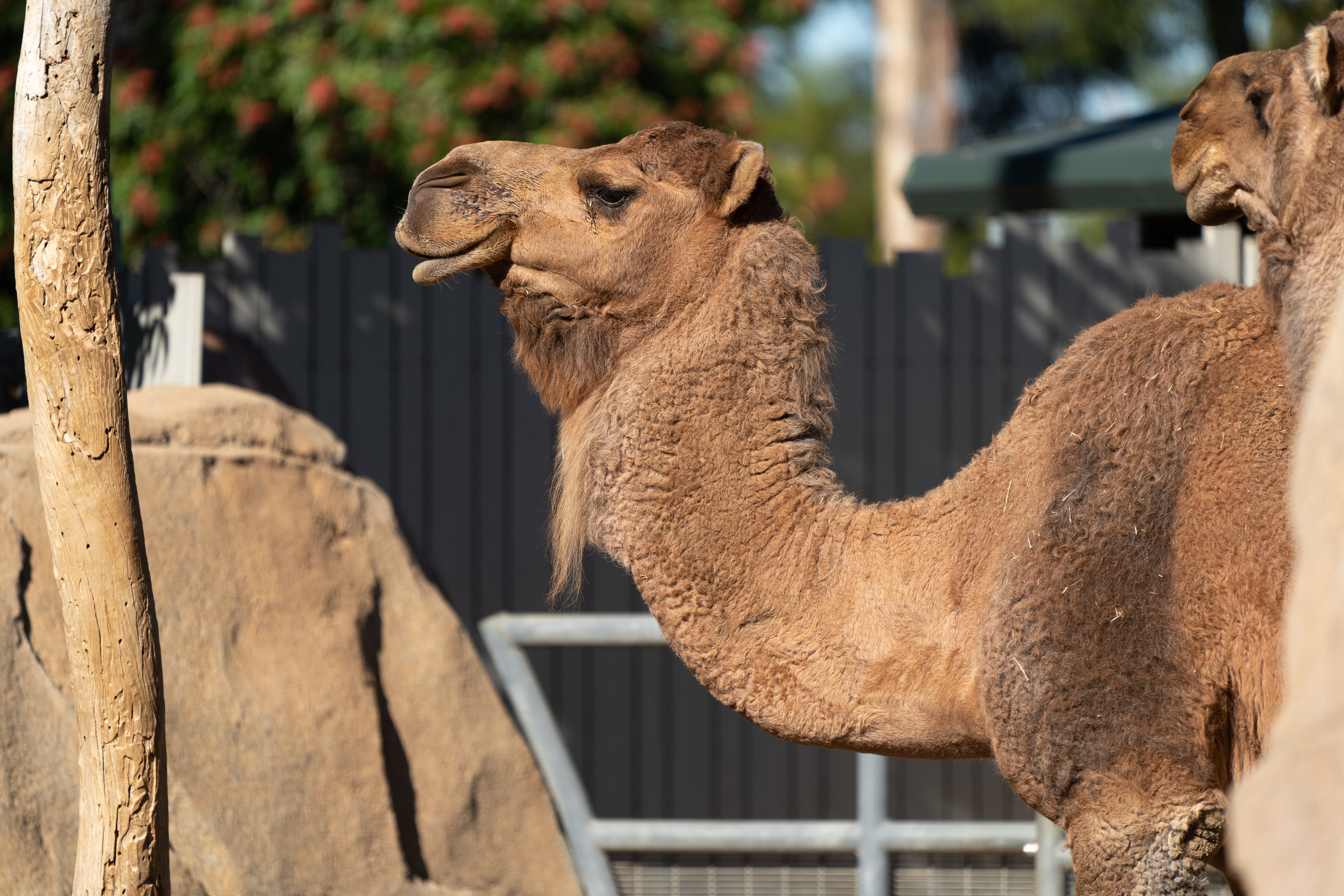
Camal
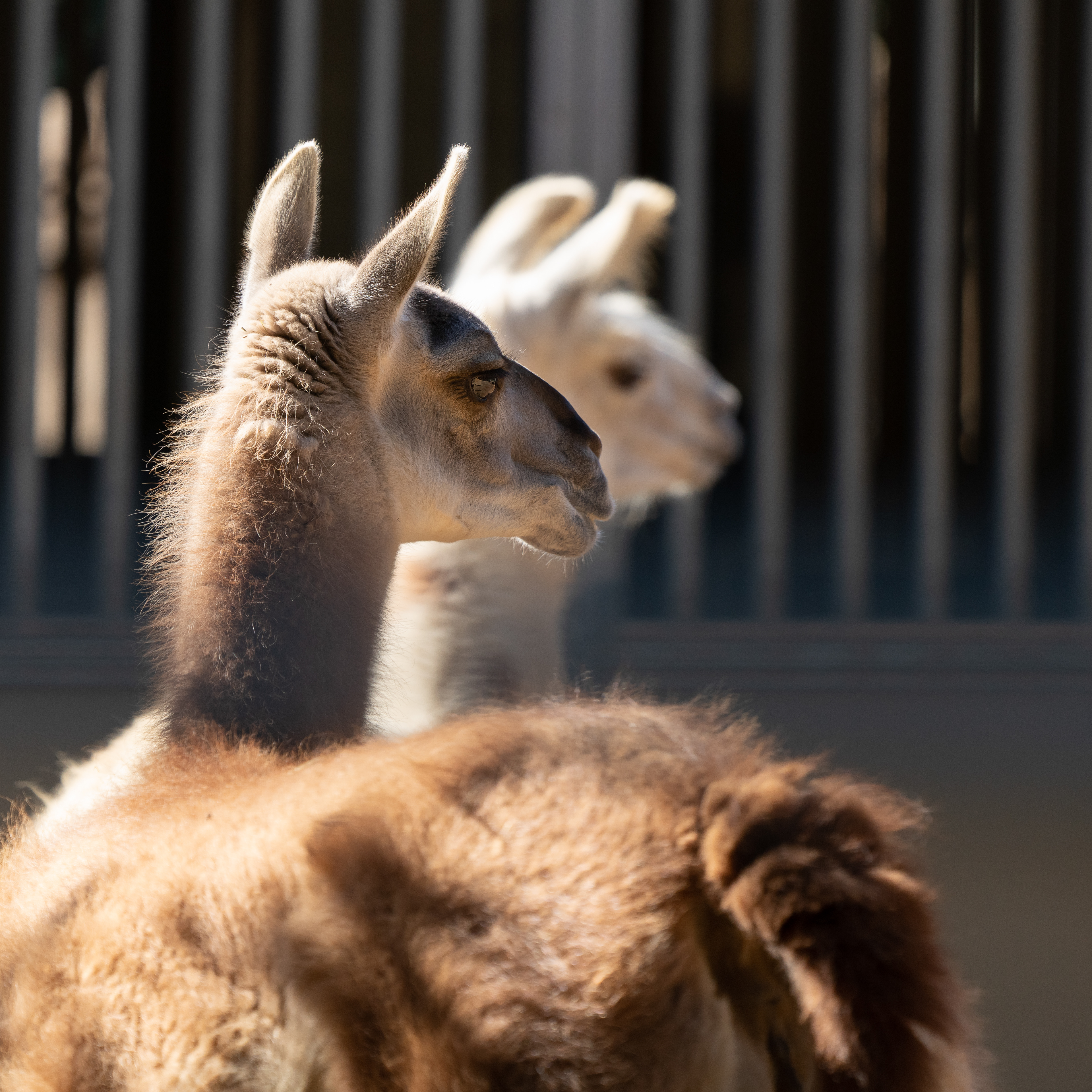
Llams
Llamas are important in Peruvian mythology. The Heavenly Llama is said to drink water from the ocean and urinates as it rains. Personally, I think the Peruvians need to work a bit more on their myths.
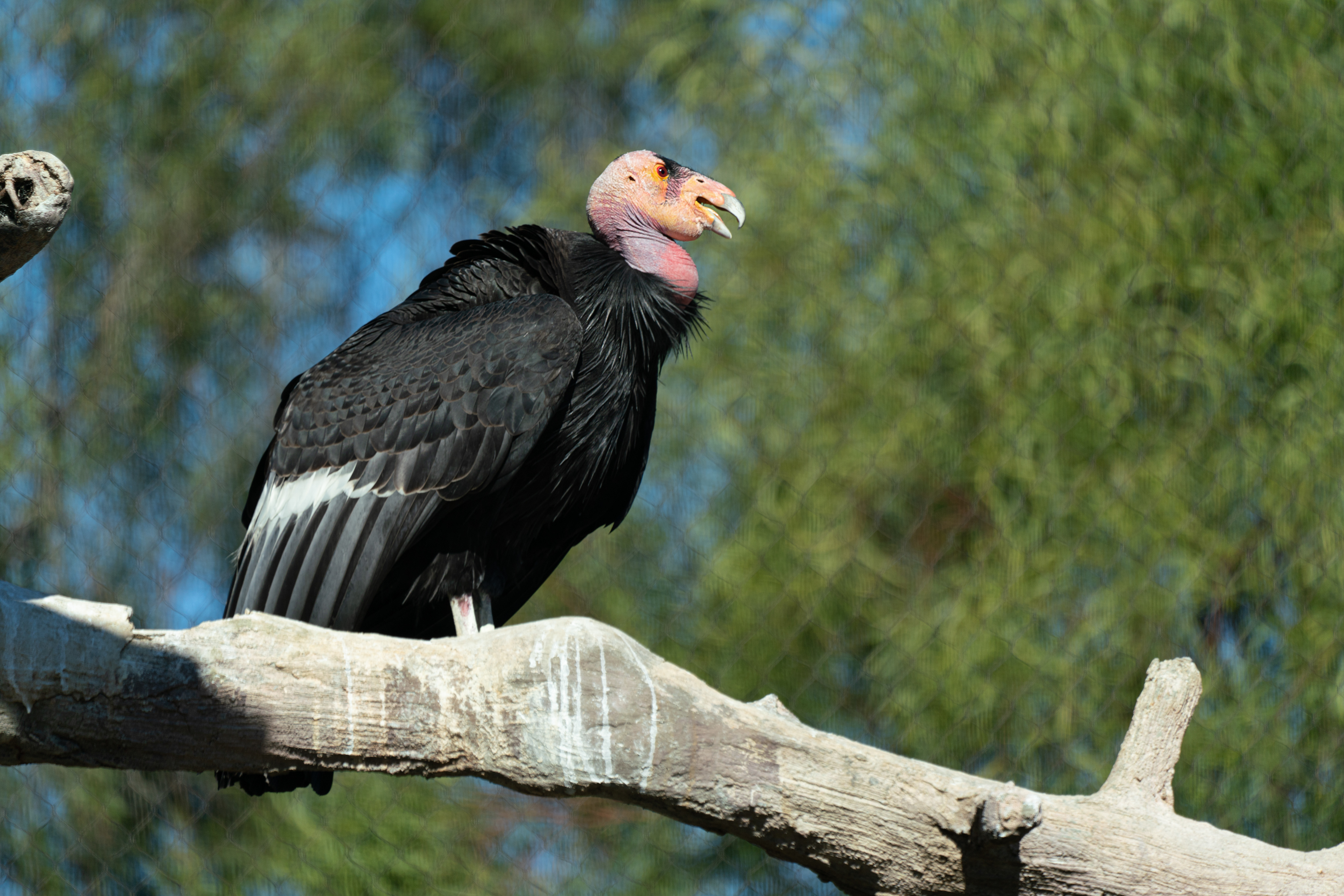
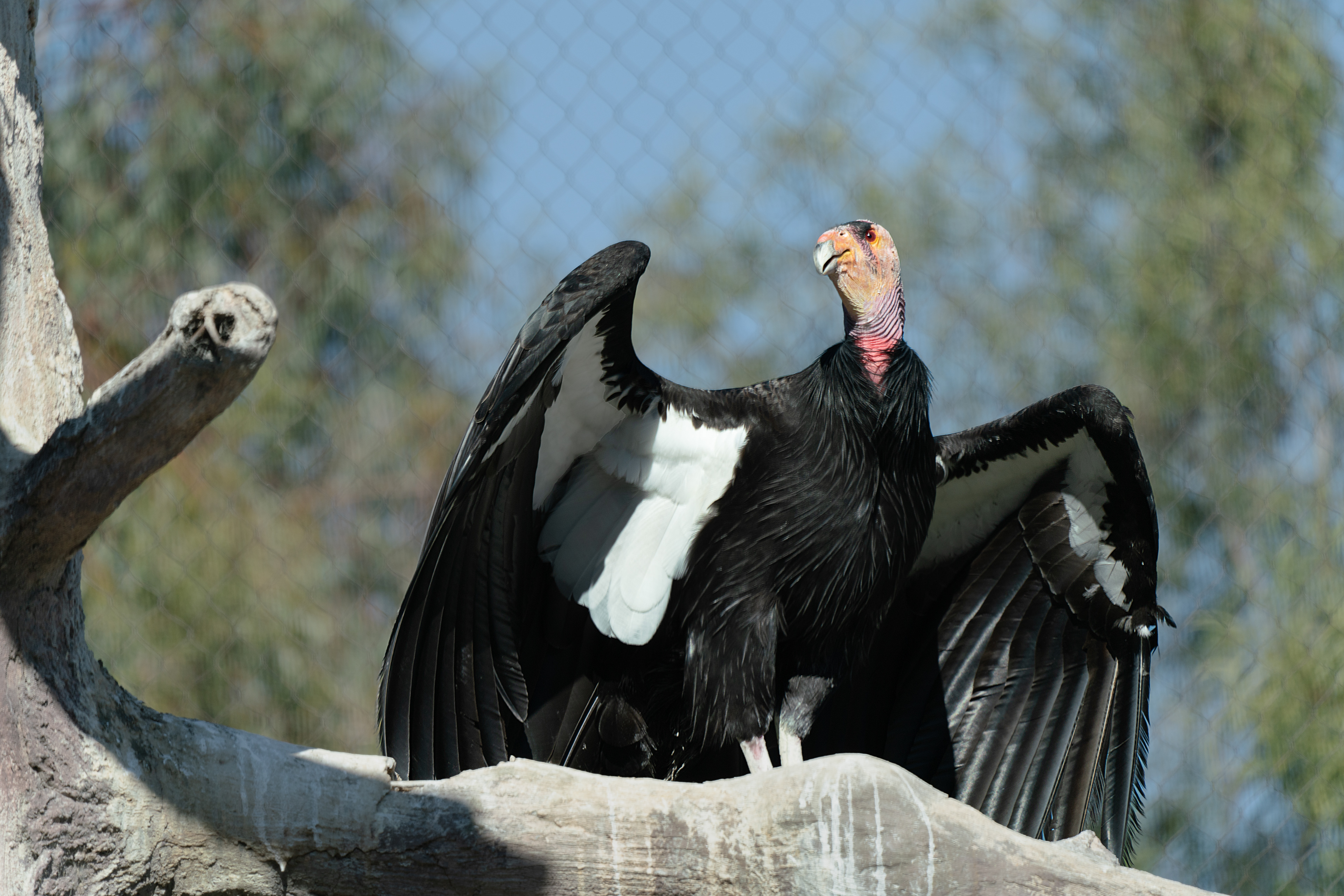
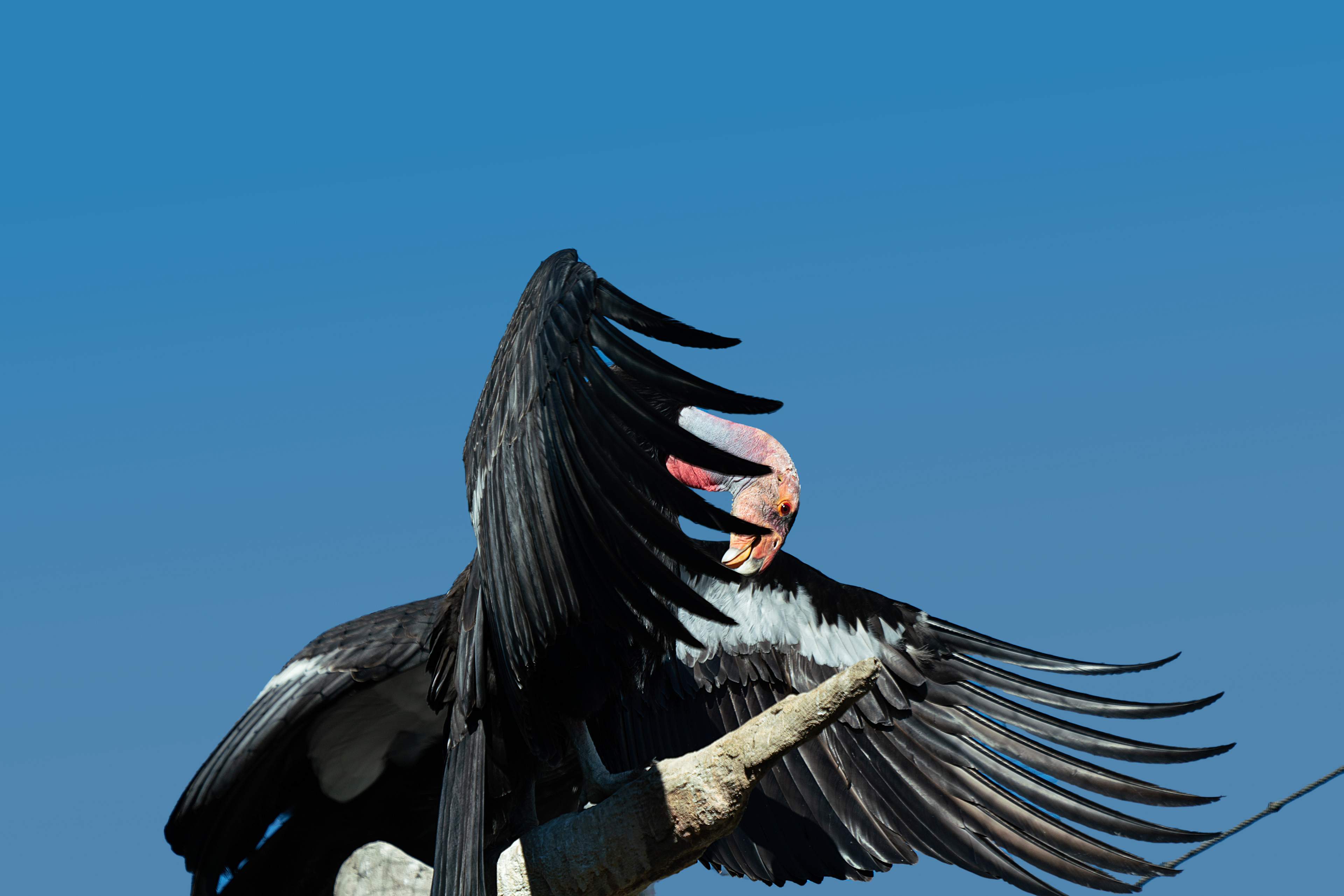
Californian Condor
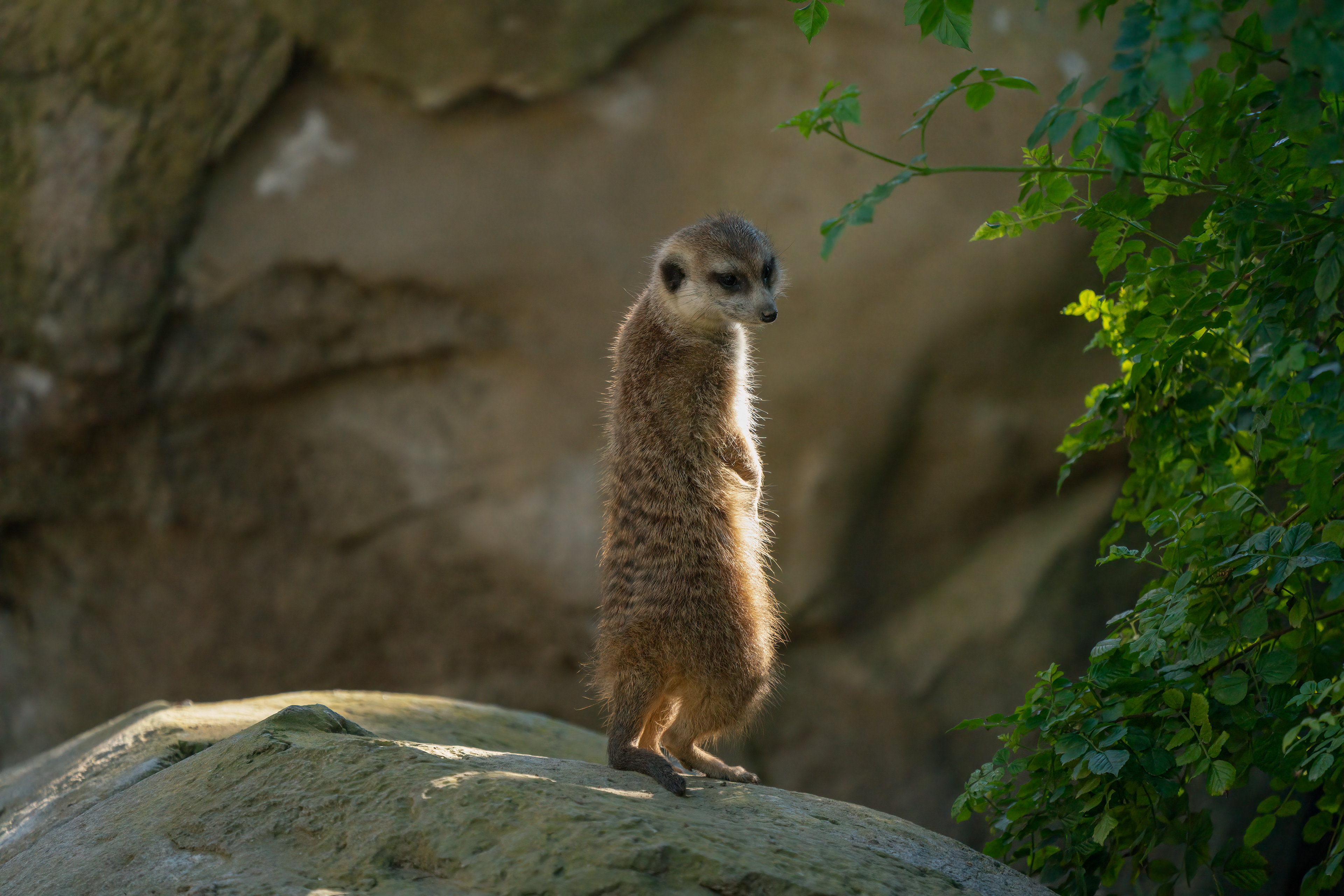
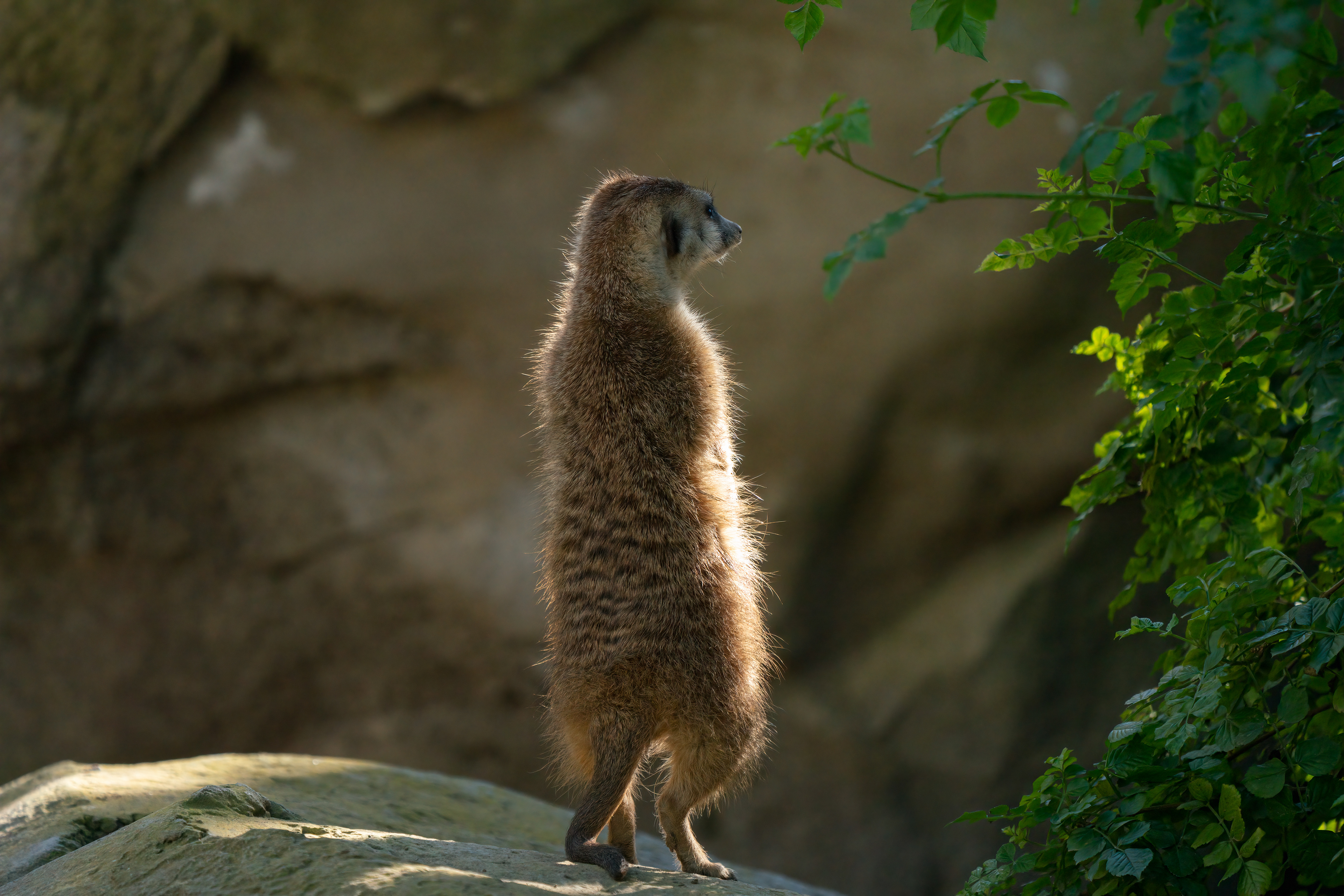
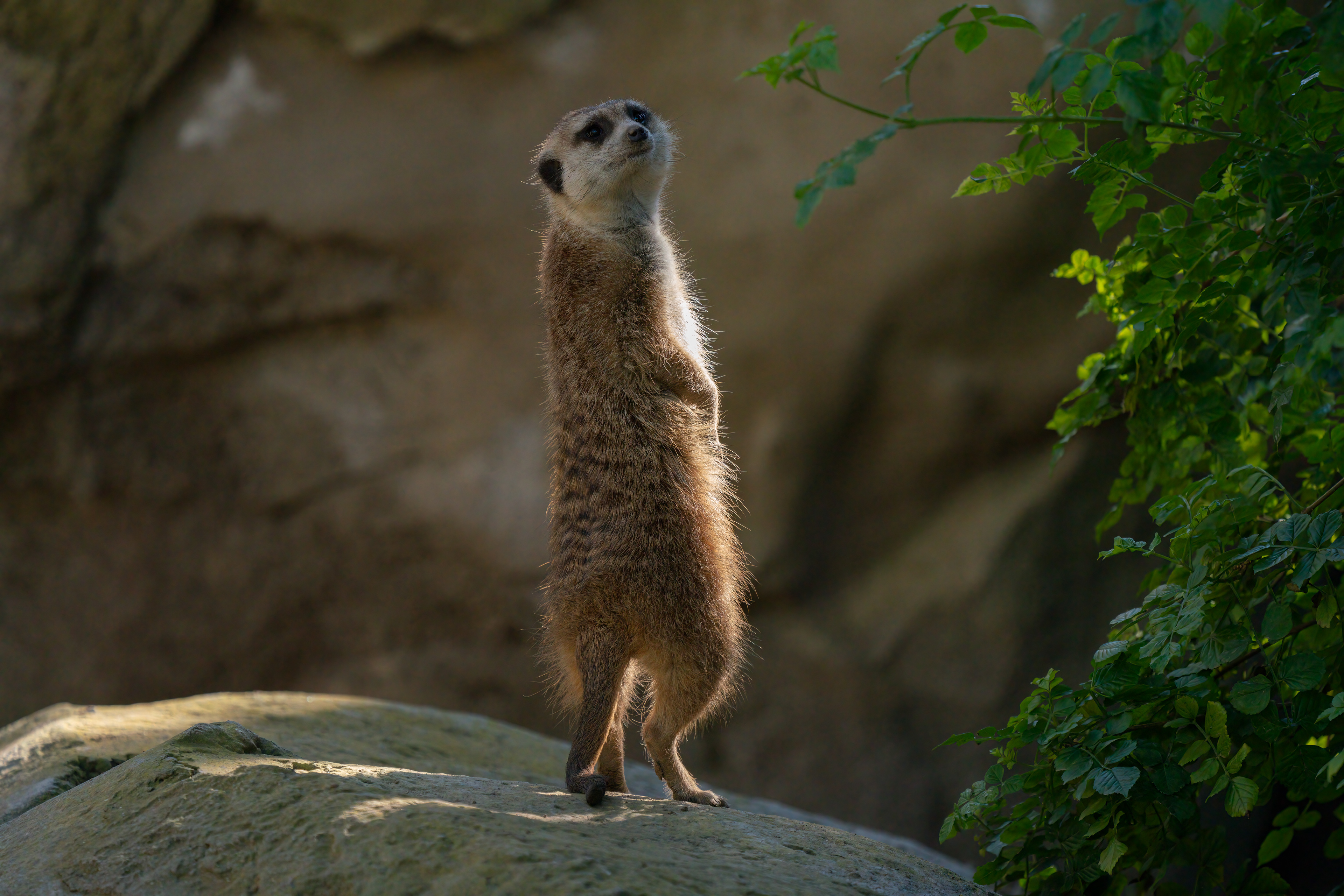
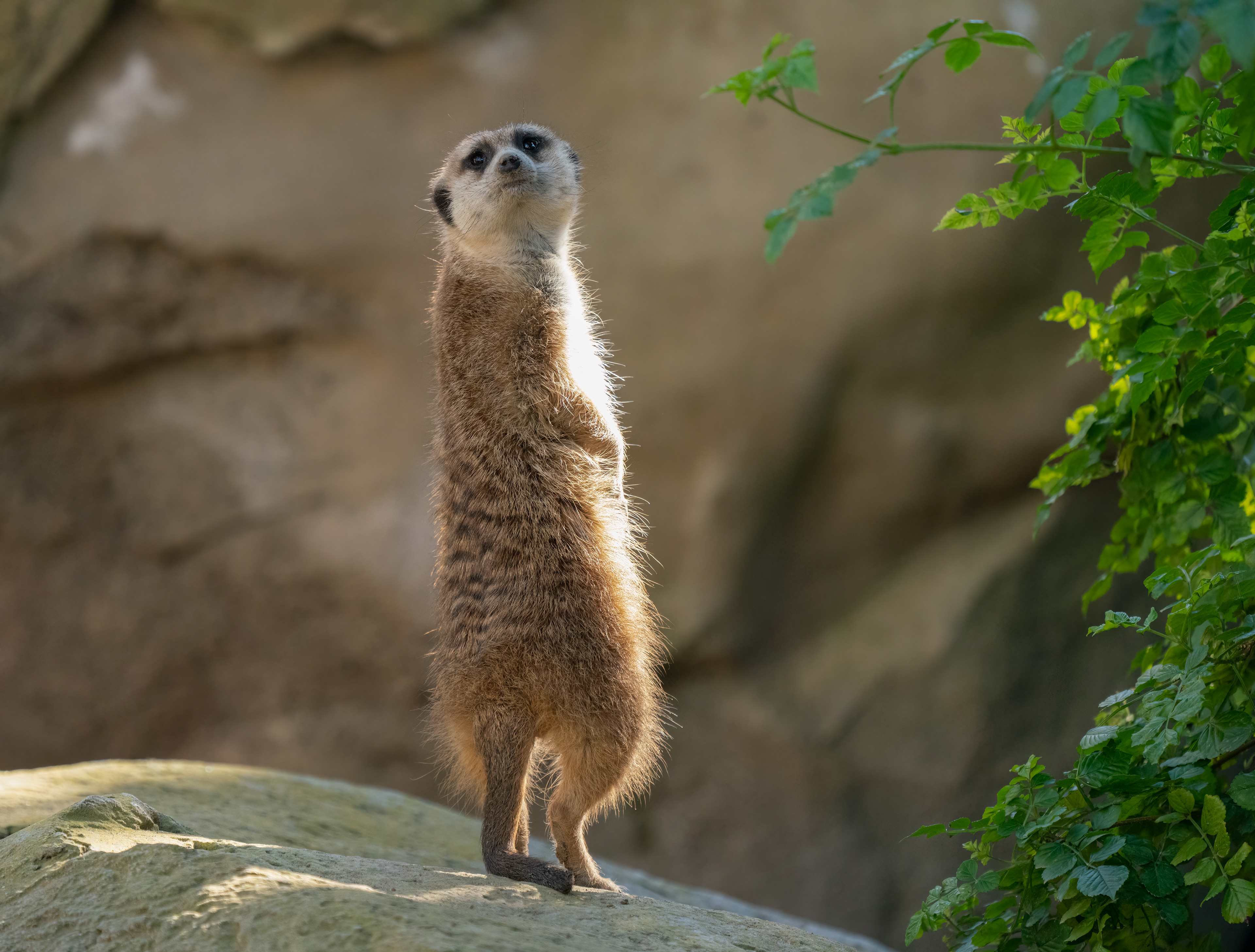
Meercat (Suricata suricatta; it means to crawl up from below)
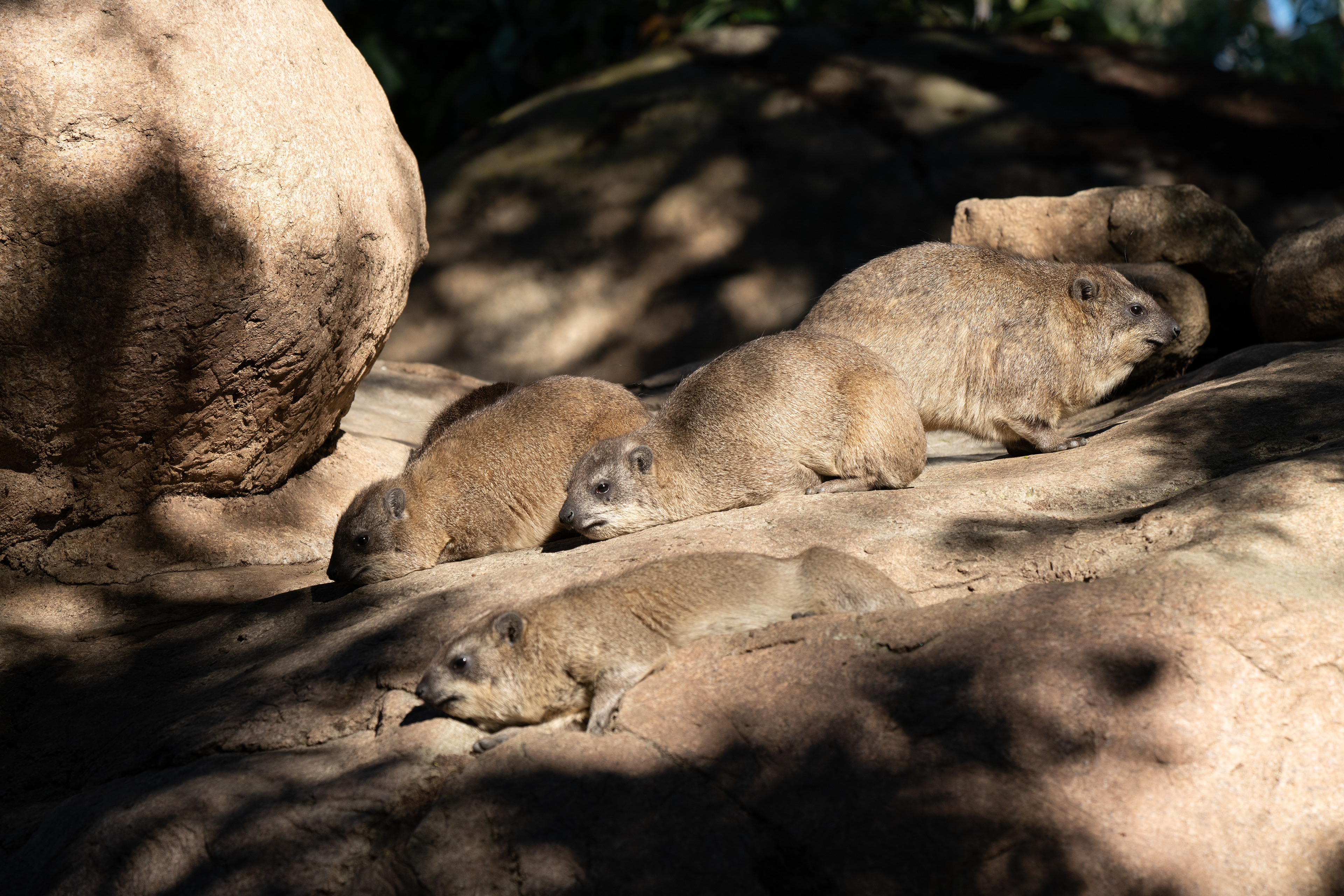
Hyrax
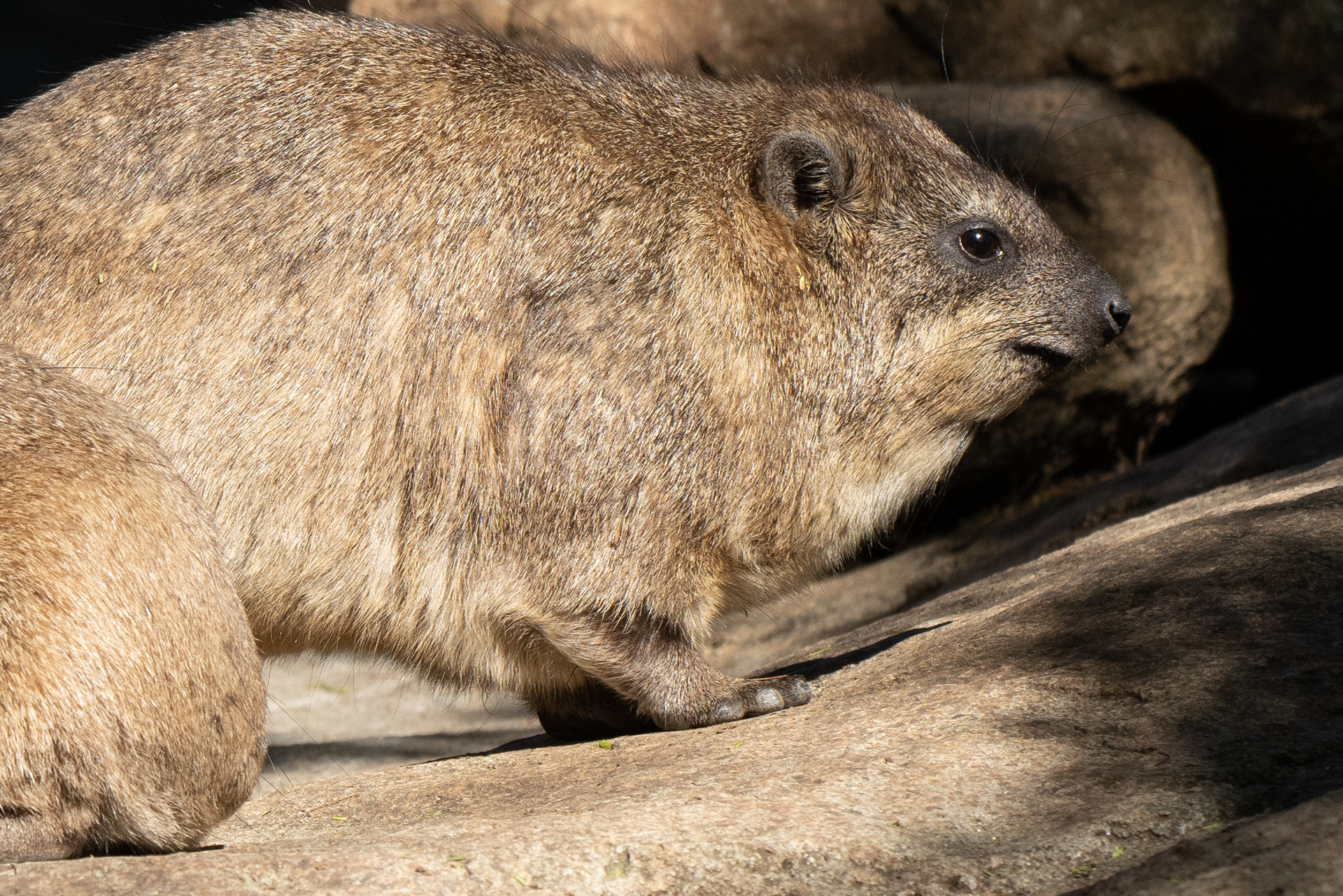
They look like over-large rodents. Like marmots, perhaps. But we are told that they are more closely related to elephants and sea cows!
If you think I jest, take a close look at its elephant's feet. Zoology is full of surprises.
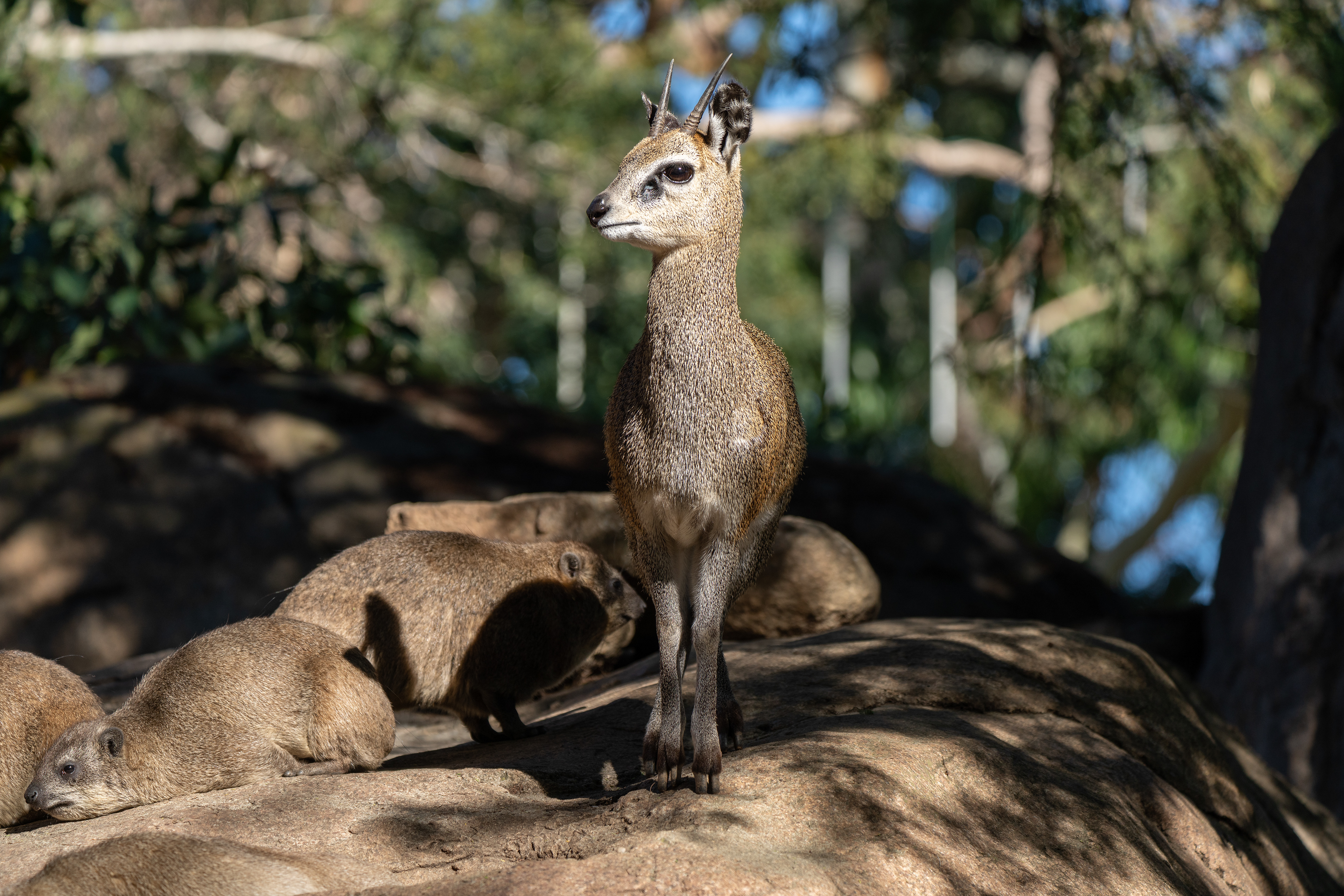
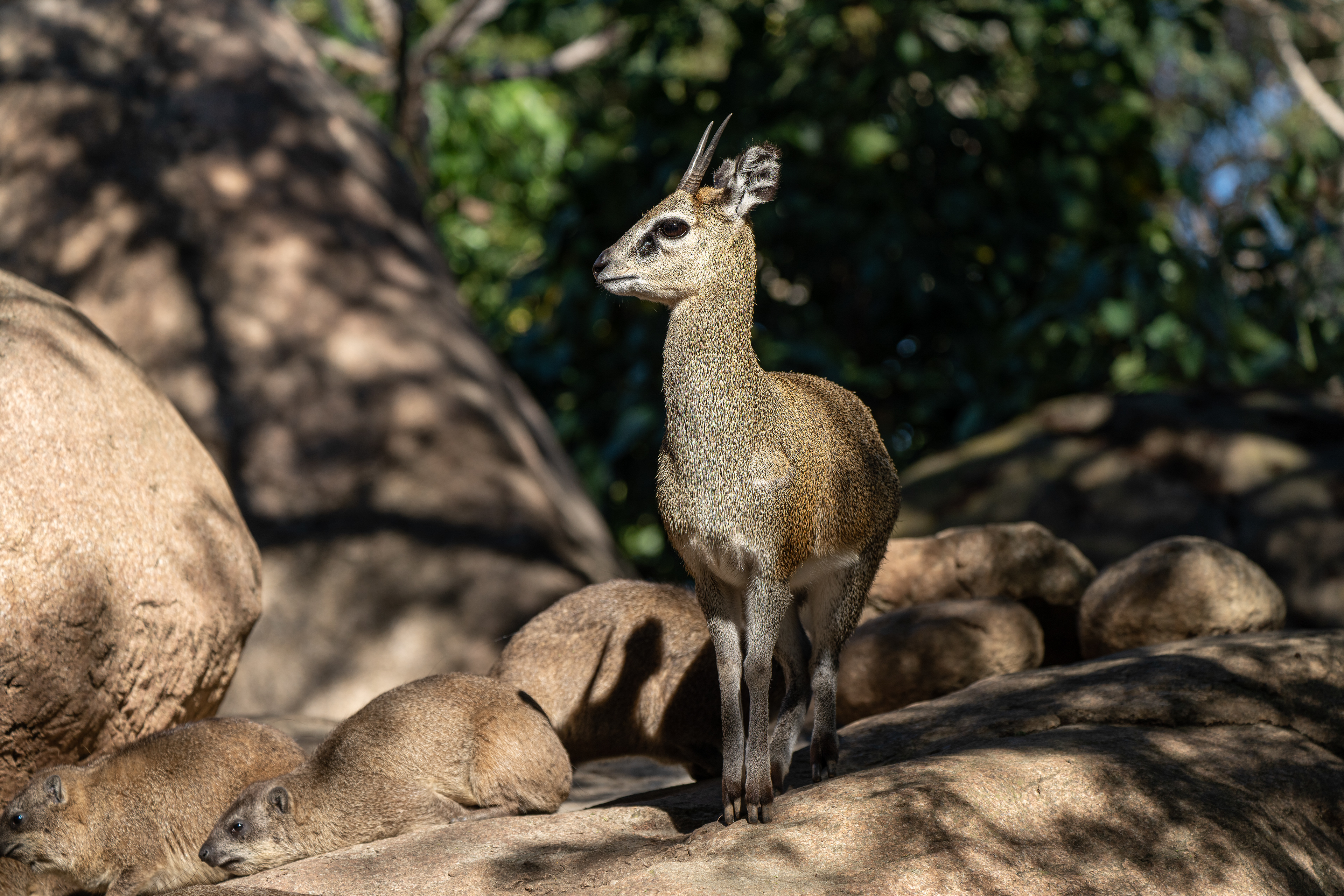
Klipspringer
The Klipspringer is a tiny, and ridiculously cute, antelope. In the same enclosure as the hyraxes. Don't know why unless it is to keep each other company. They just ignore each other.
We were lucky to see it, as it is largely nocturnal. In fact it was not only up and about but posing for the camera. I took a distinct liking to this animal.
The name in Afrikaans means 'cliff jumper'.
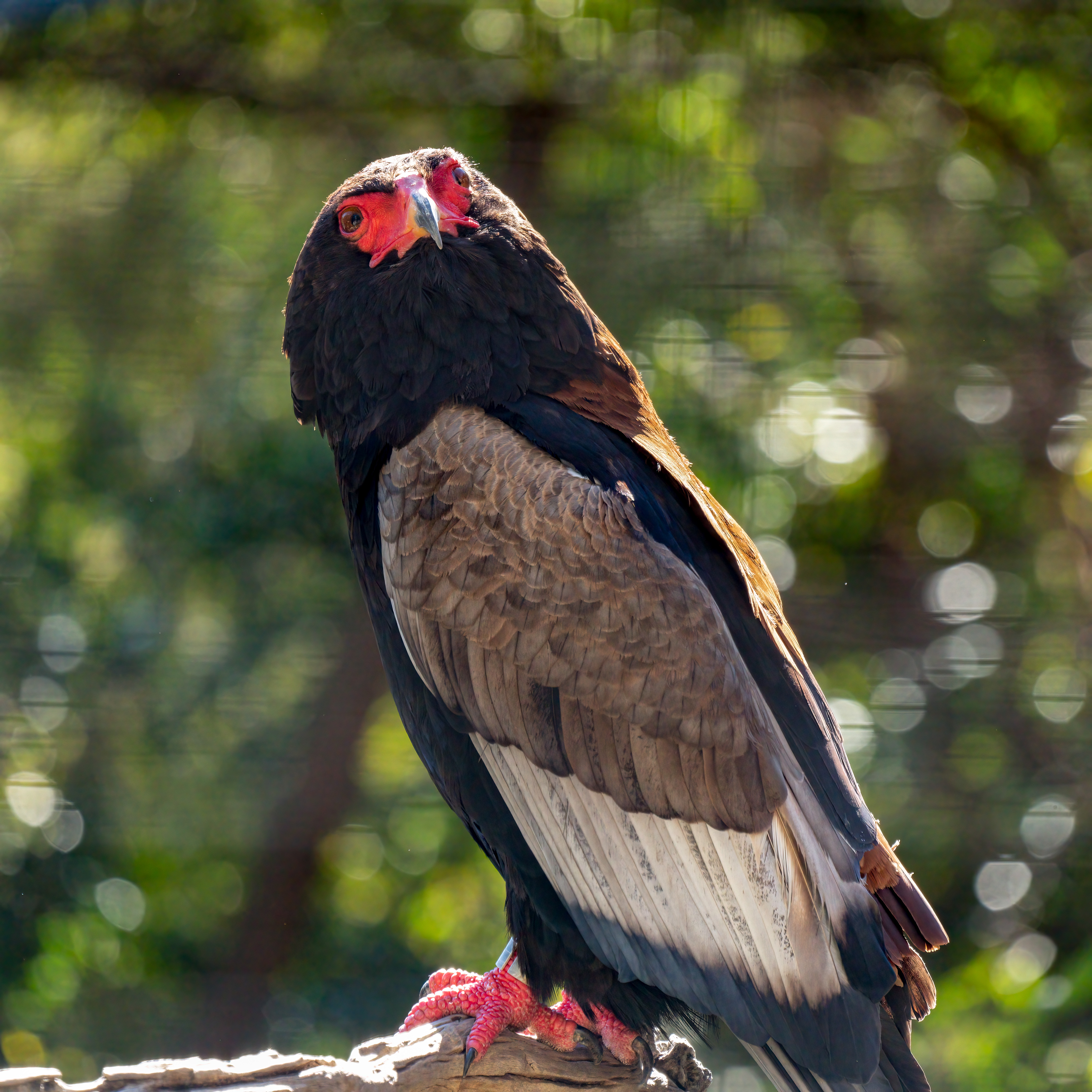
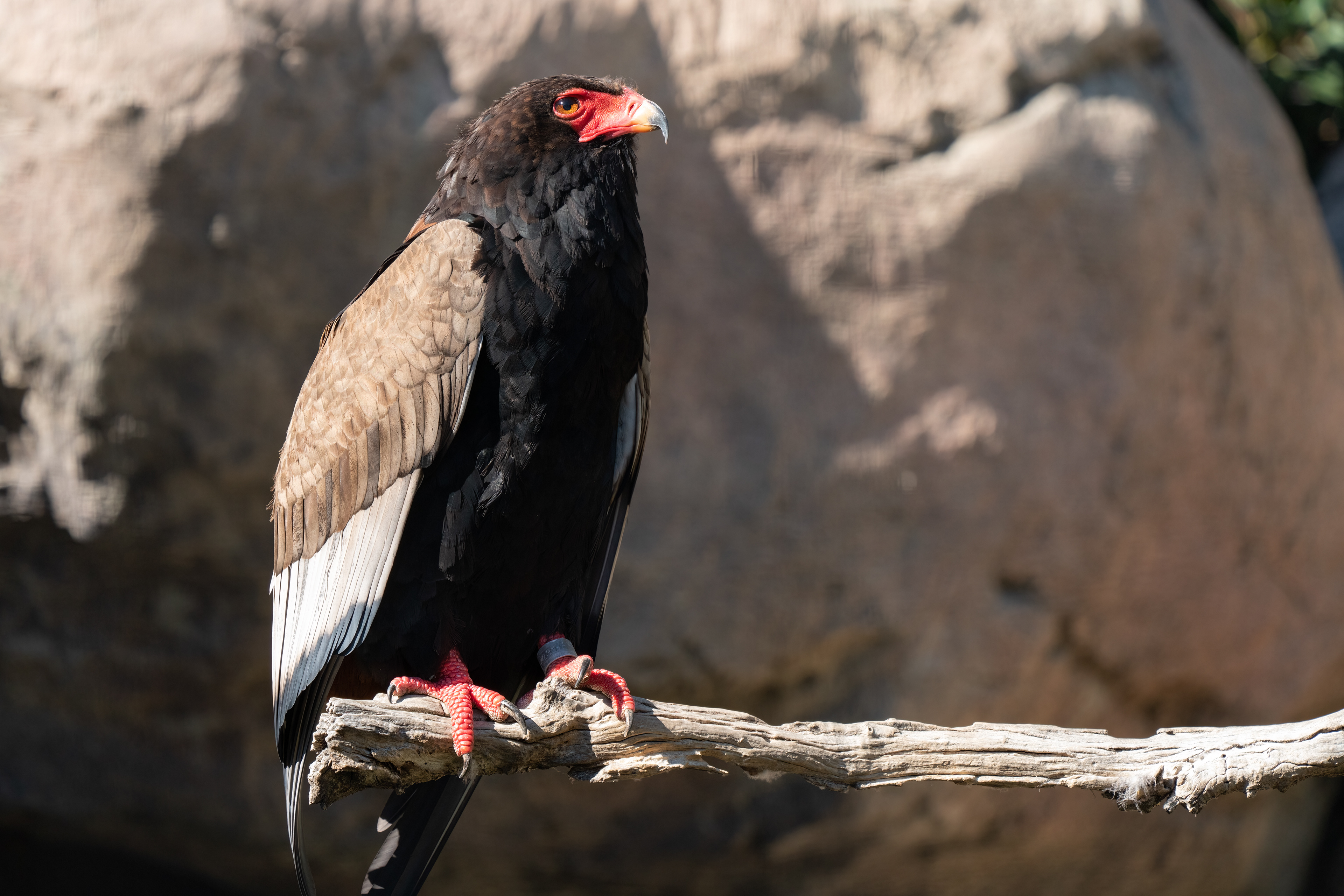
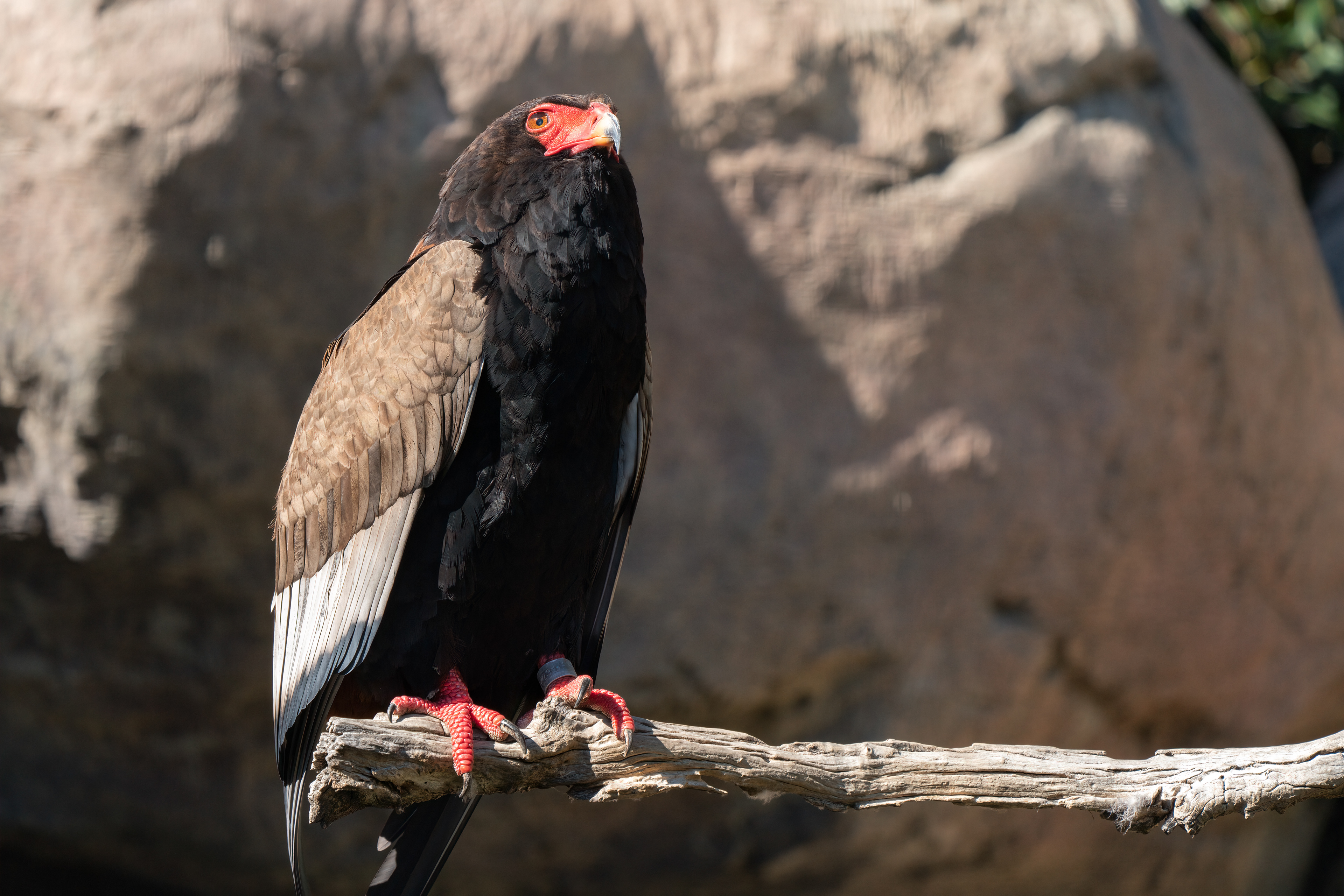
Bateleur
A fierce predator, taking on surprisingly large mammals when the mood takes it. And anything else like other birds or just carrion. Carrion is a favourite. They have been known to follow along behind hunters.
It is known for flying with elan. Has a propensity for completely unnecessary aerial maneuvers like barrel rolls, presumably just for the fun of it. A distinctive side to side motion accounts for its name. It often flies at very low altitude, possibly in pursuit of said surprisingly large mammals but possibly also just for the fun of it.
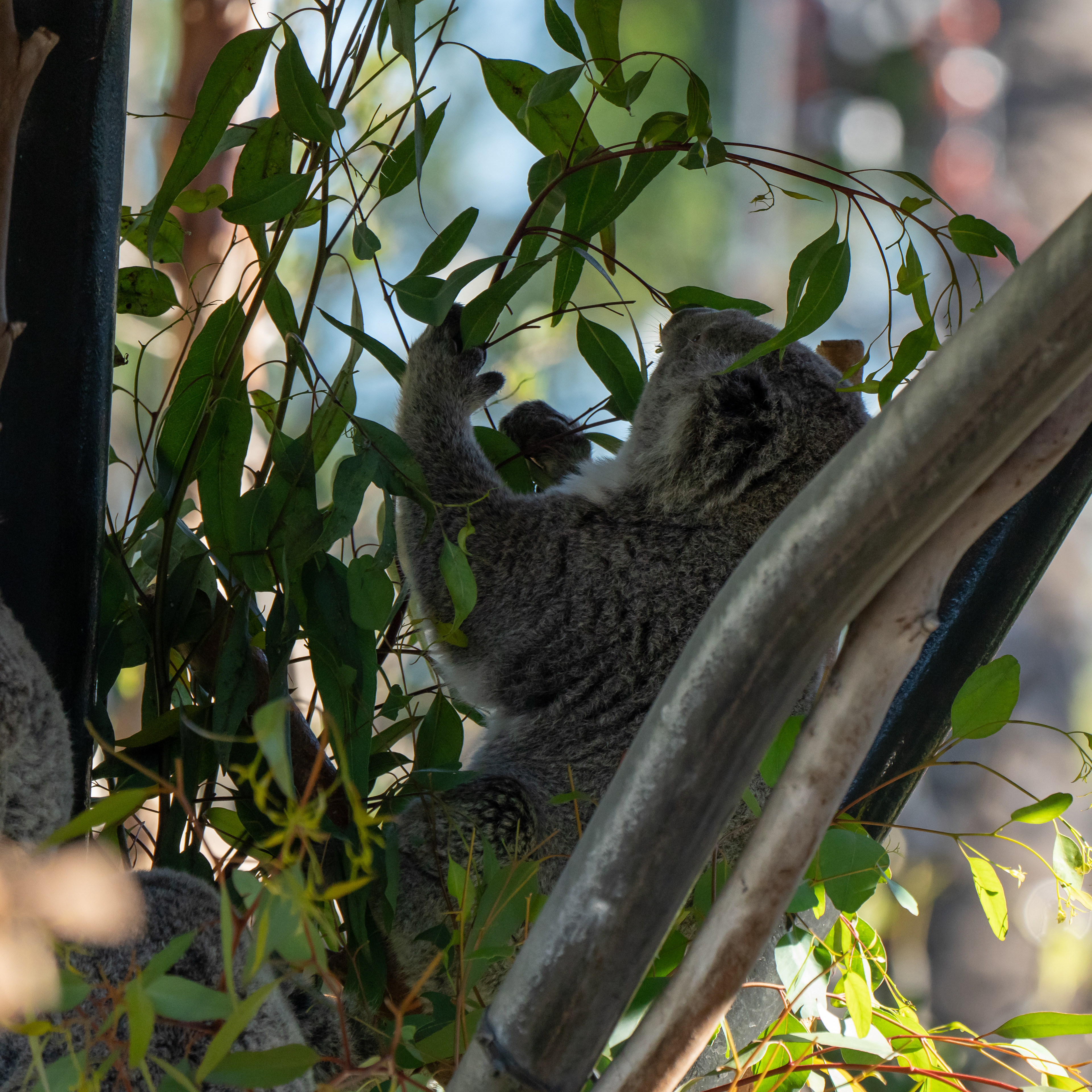
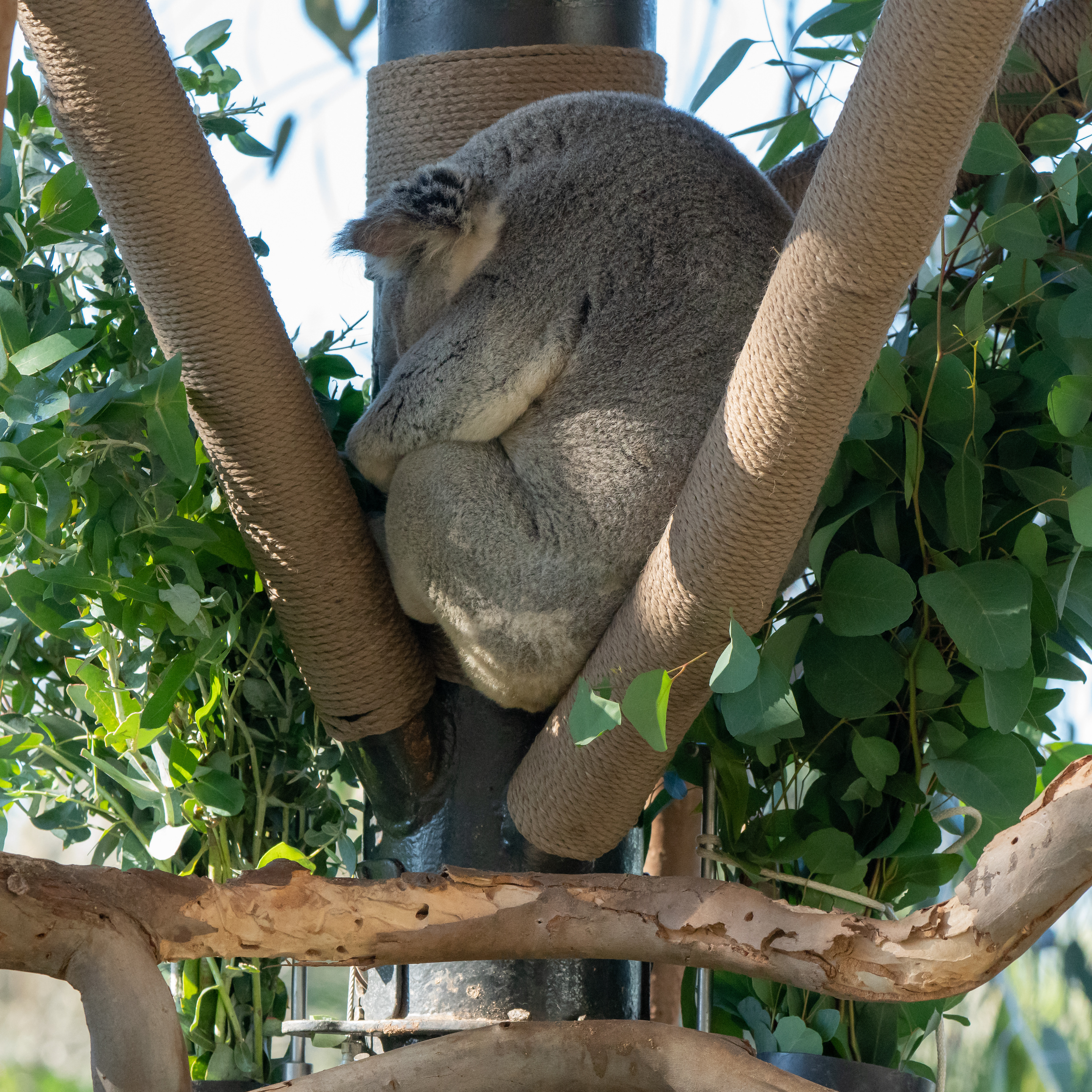
Koala Bear
We were lucky to see a Koala doing something other than sleeping. It was leaning back and idly nibbling on eucalyptus leaves. Not exactly riveting, but it was something. They do a lot of sleeping. Something to do with their diet, I believe.
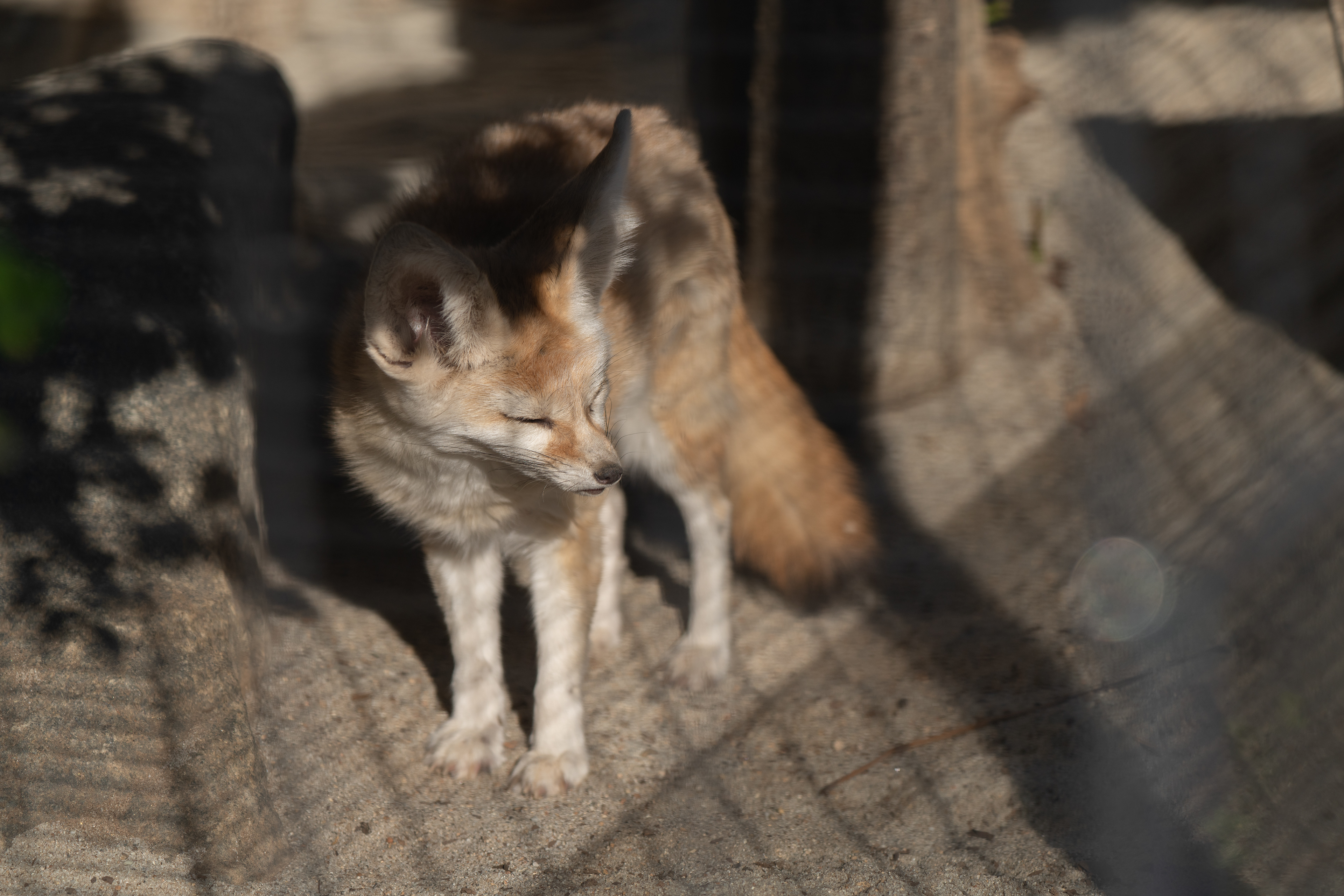
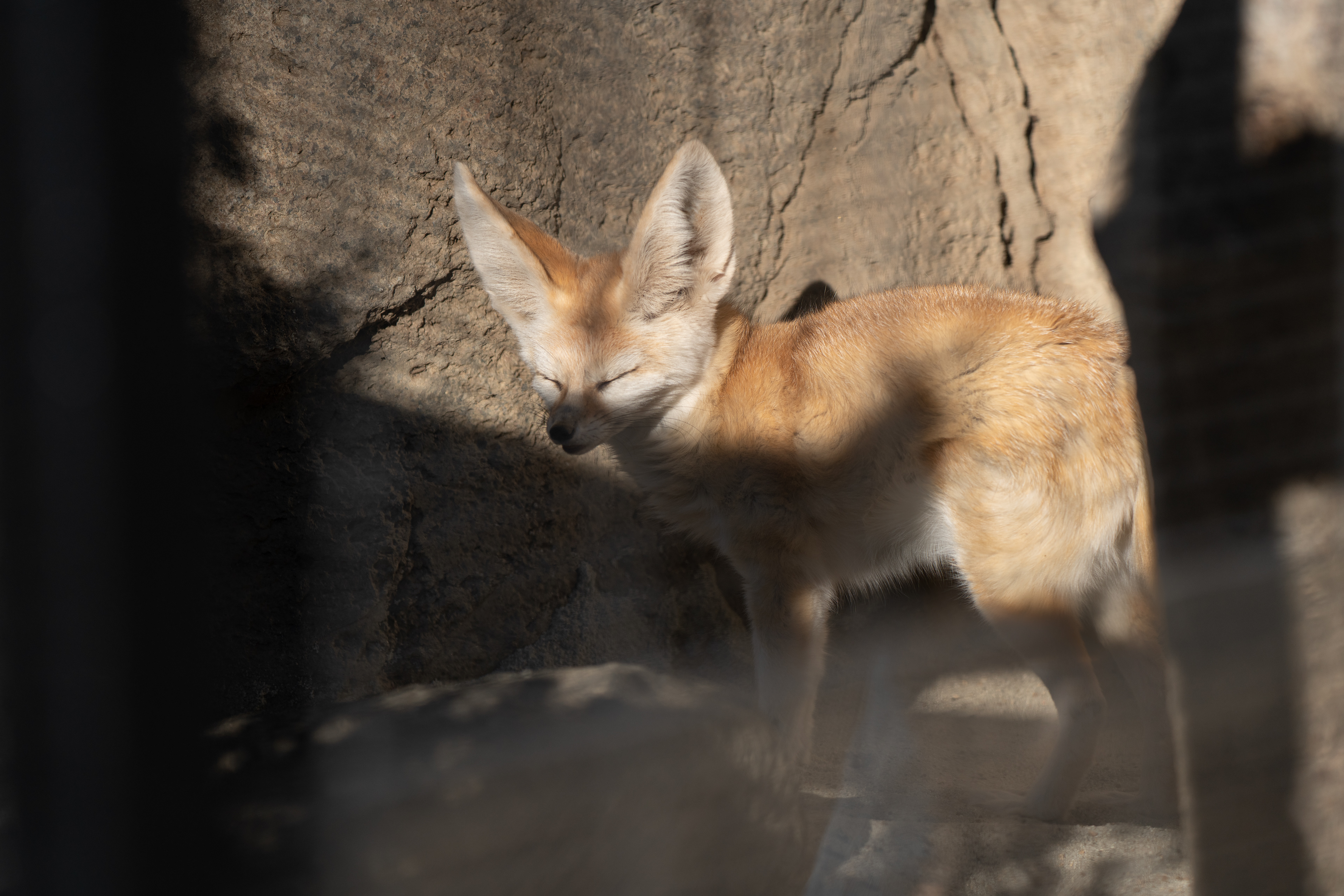
Fenek Fox
There was a sign next to this poor creature that requested us visitors to be quiet. Some hope! Two people were standing right next to it having the loudest and most inconsequential conversation that one could imagine. Don't ask me what they were talking about. Heard them distinctly from 10 m away, but the topic was so inconsequential it was immediately forgotten. Luckily the Fenek wasn't interested either. Seemed to be able to sleep through it.
American Flamingos
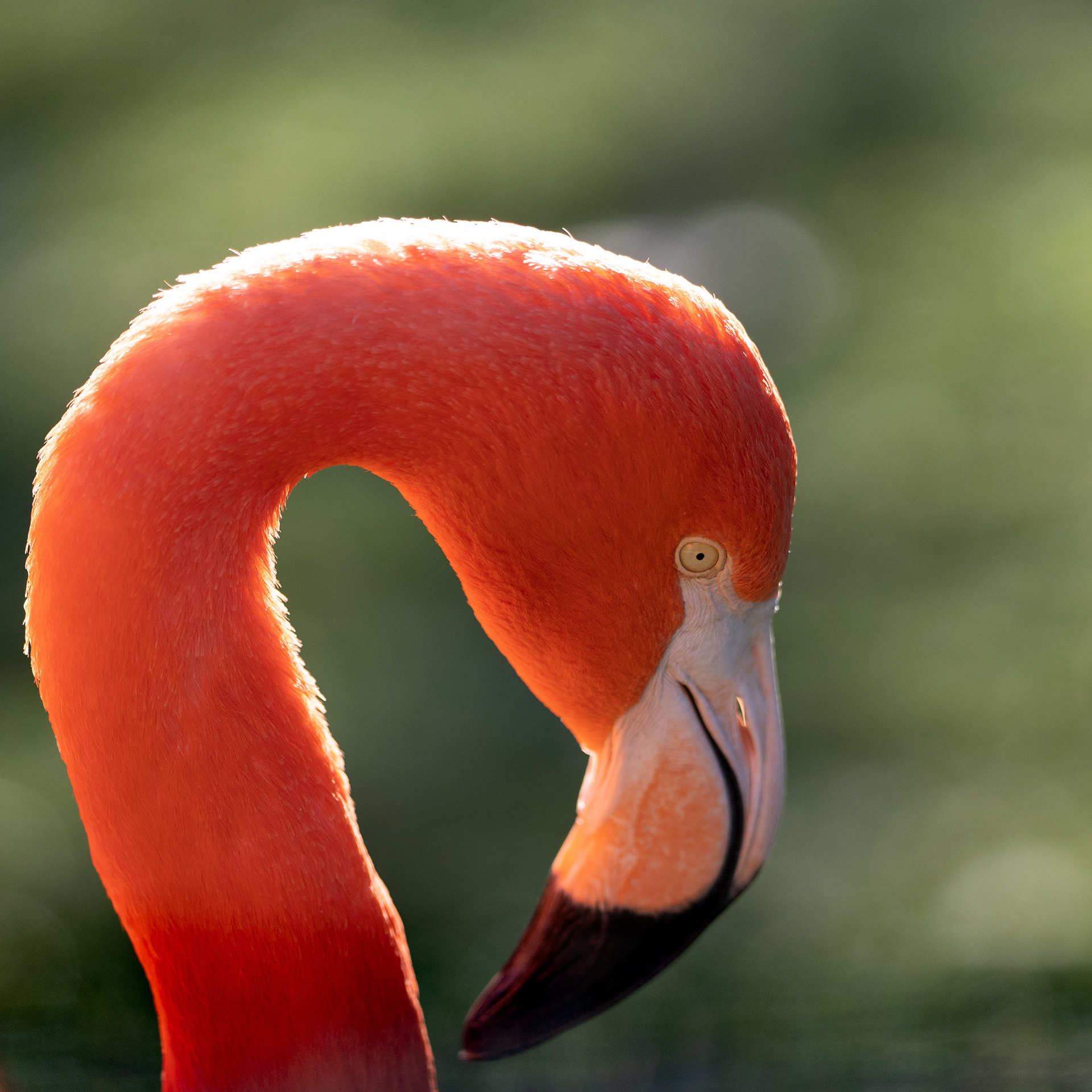
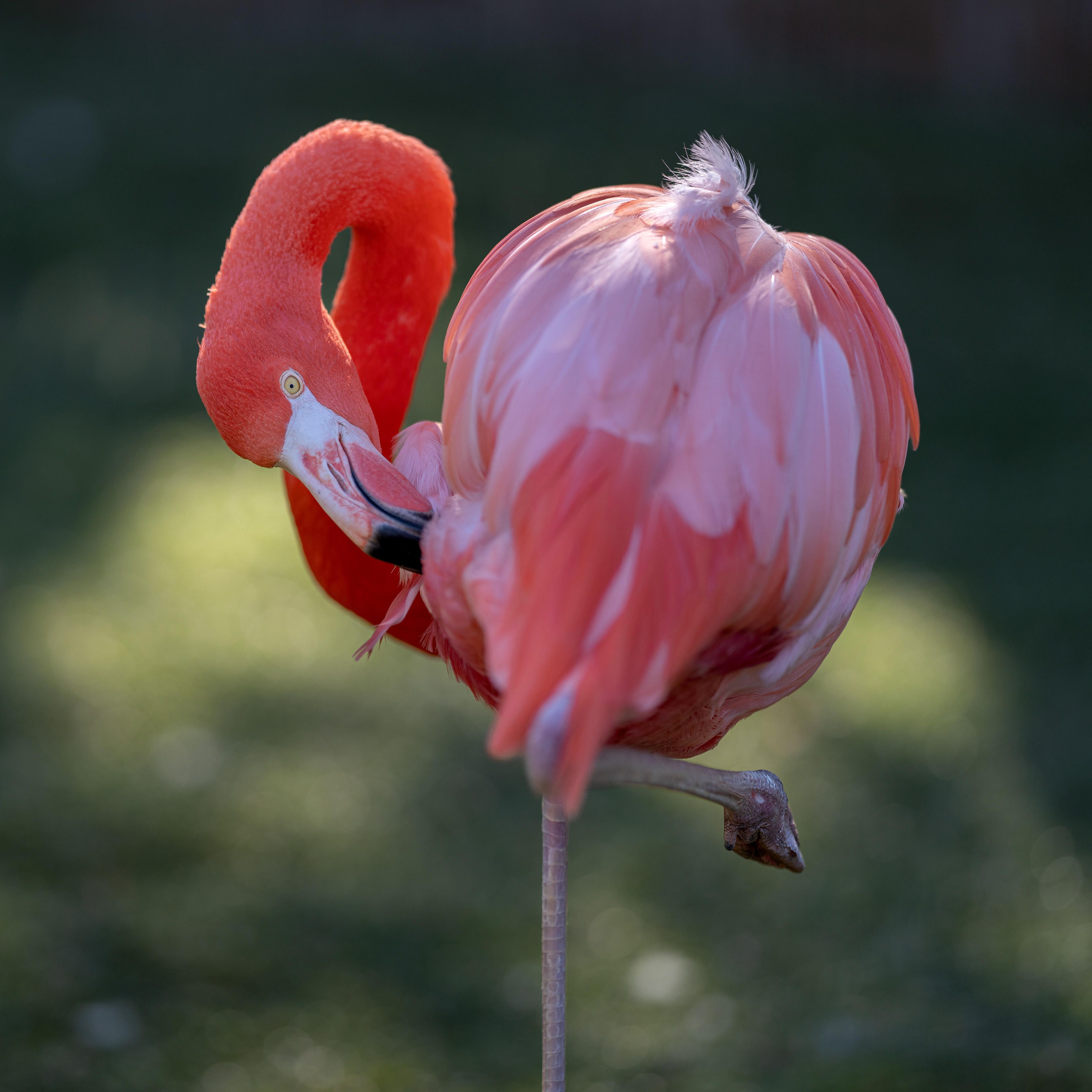
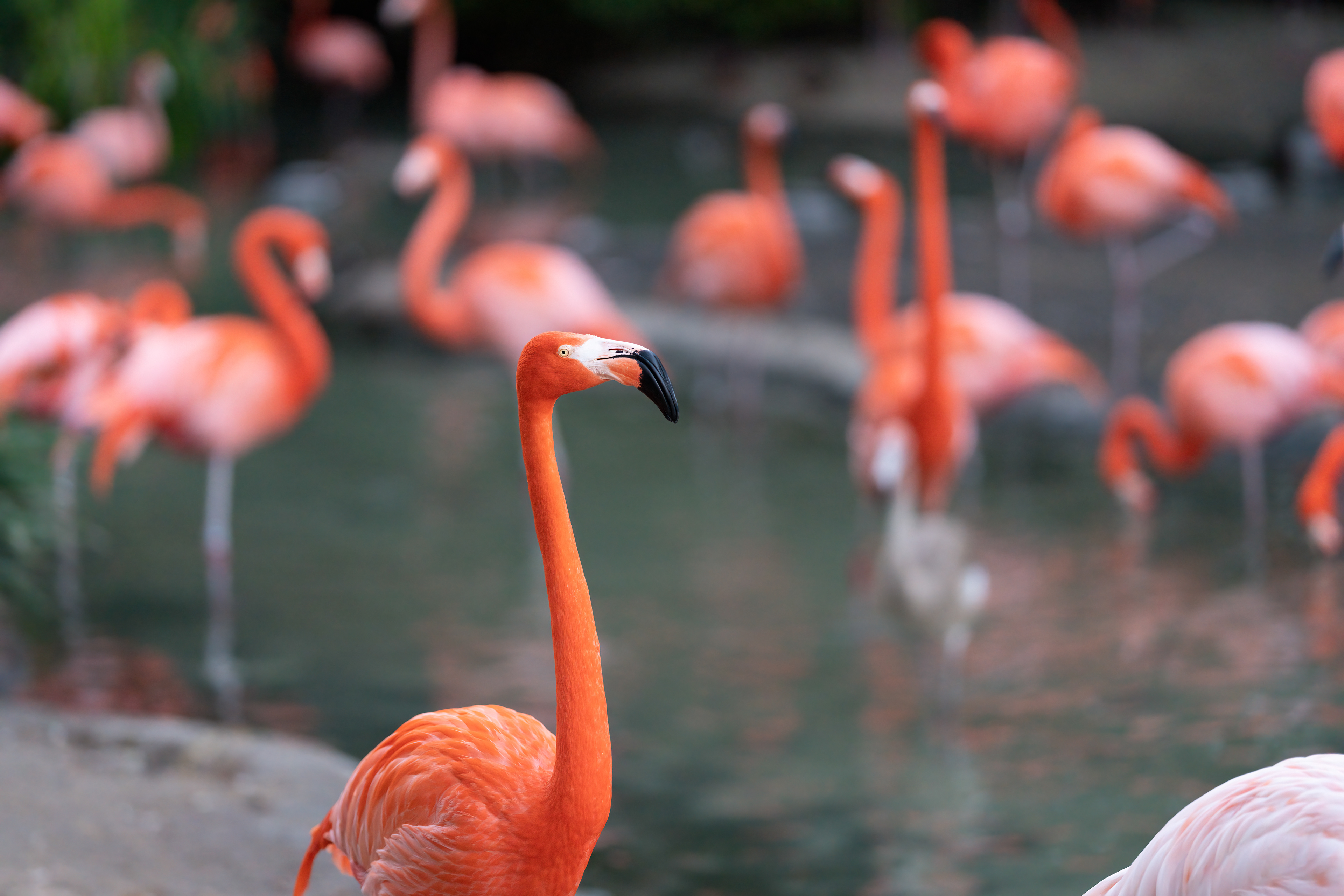
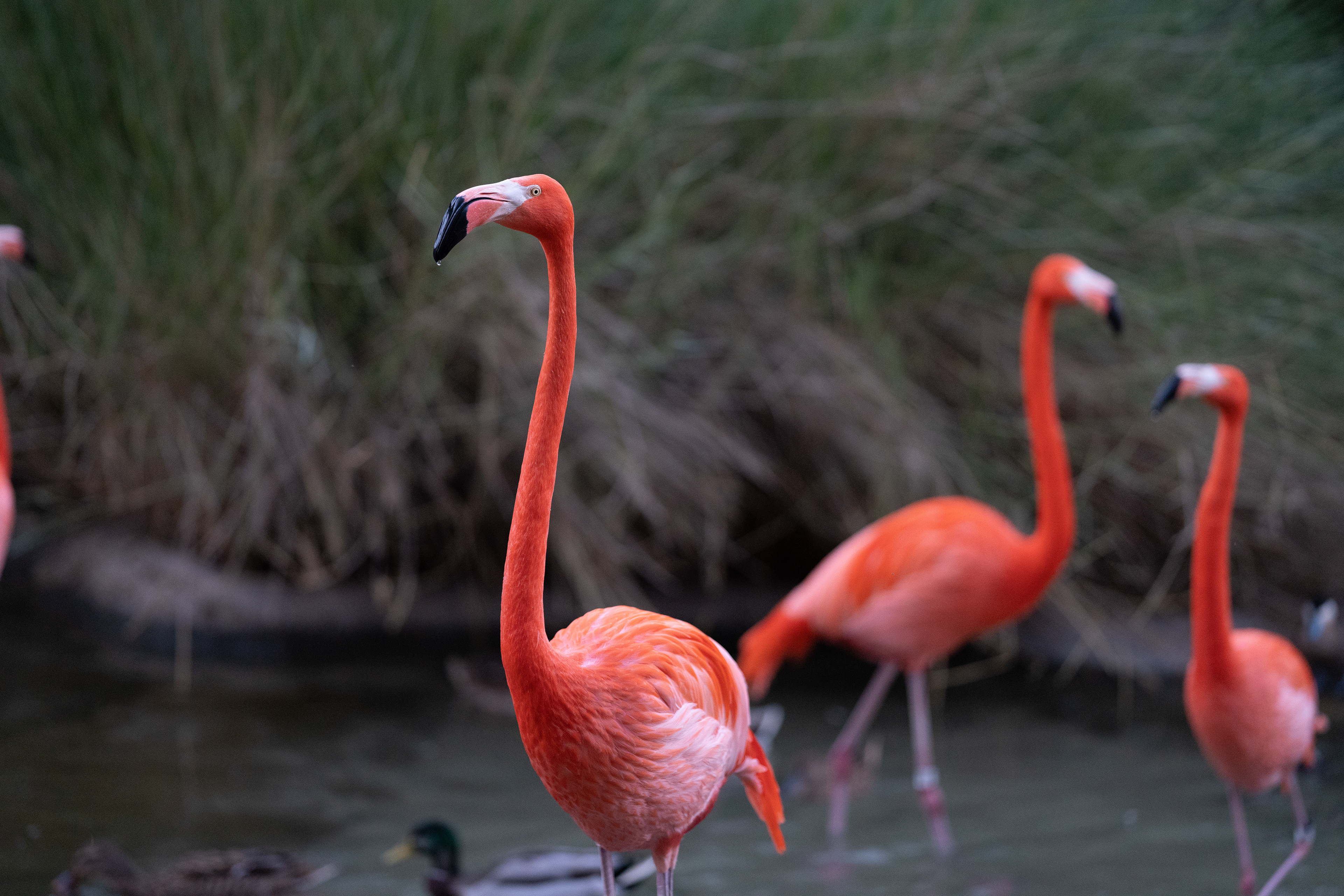
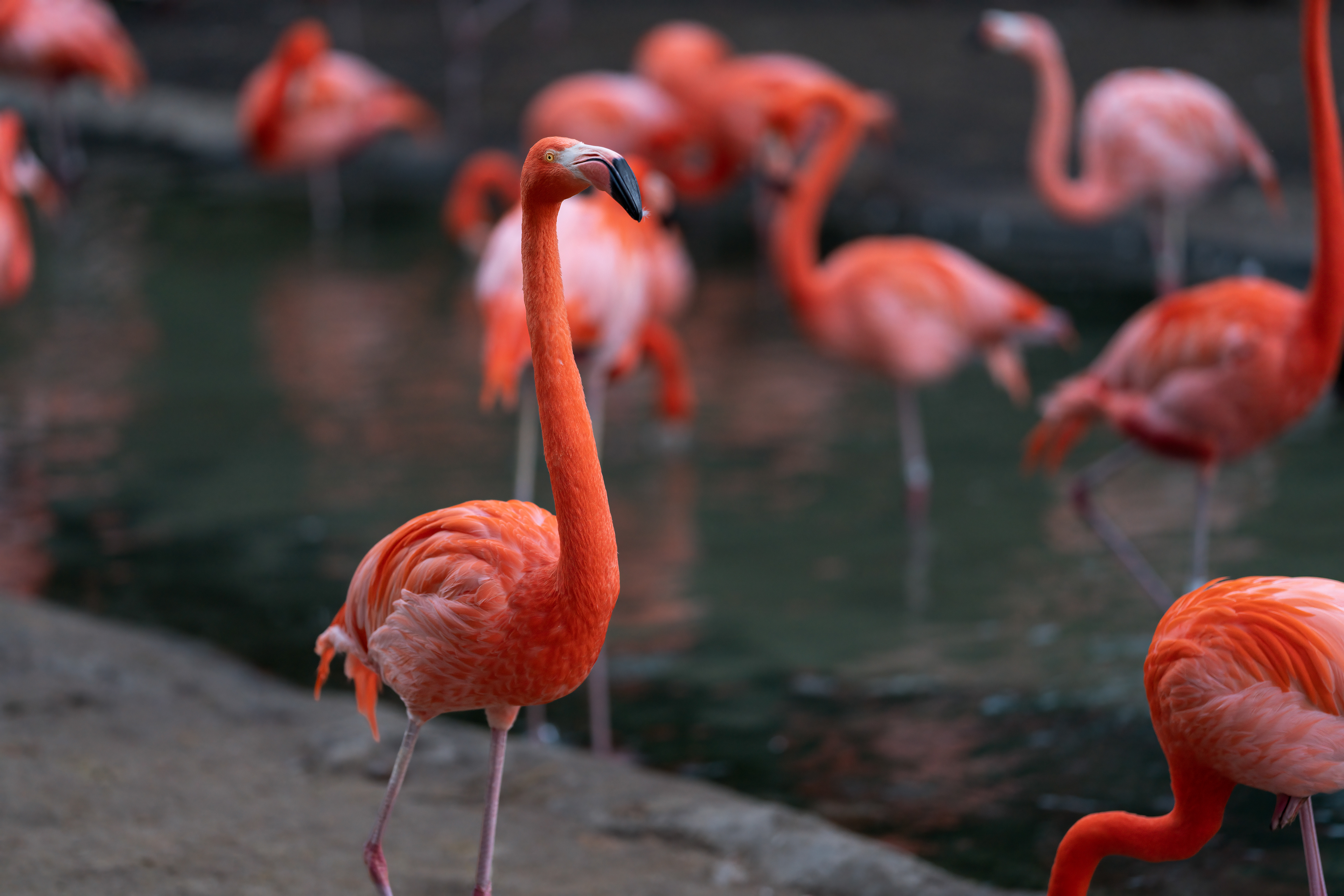
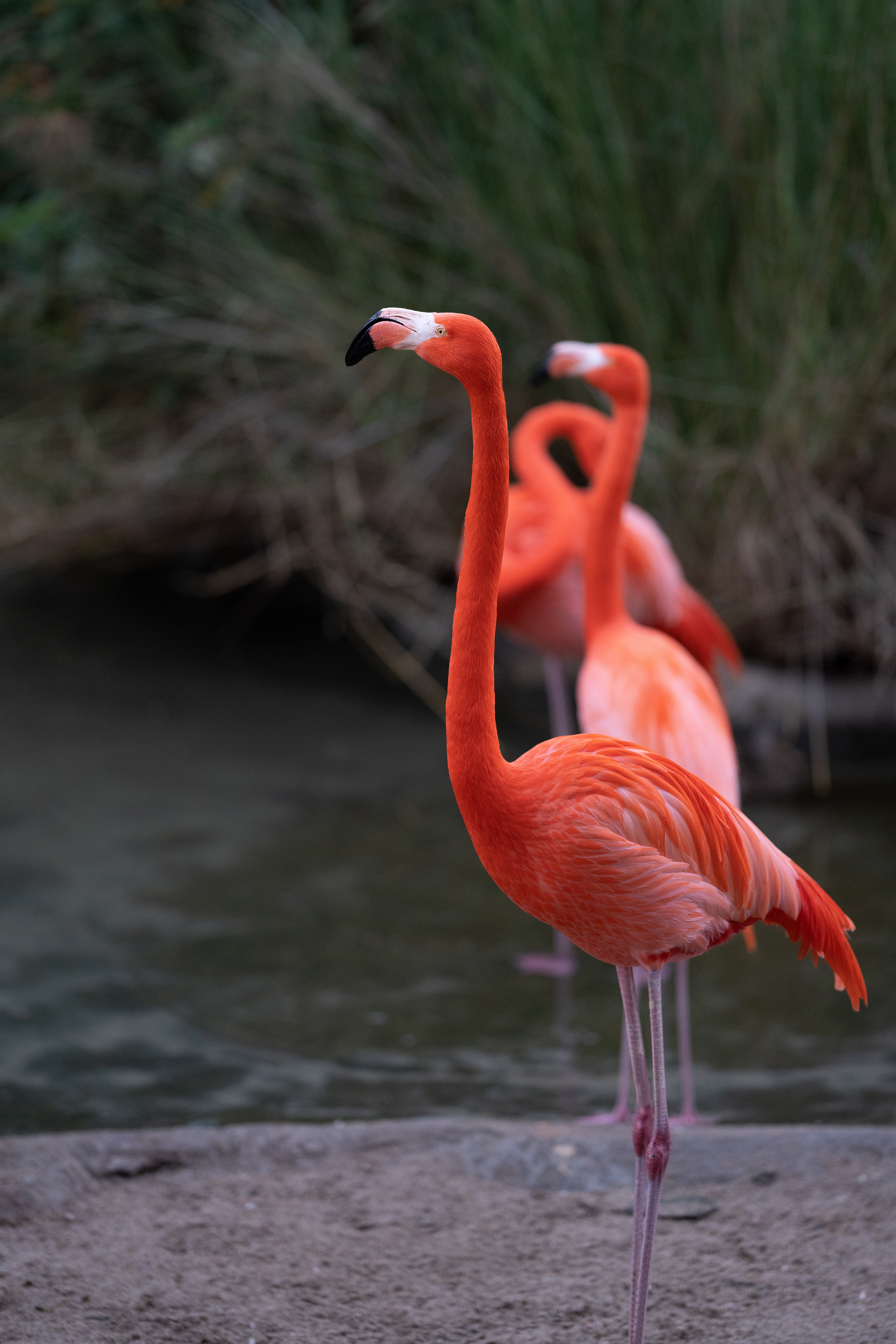
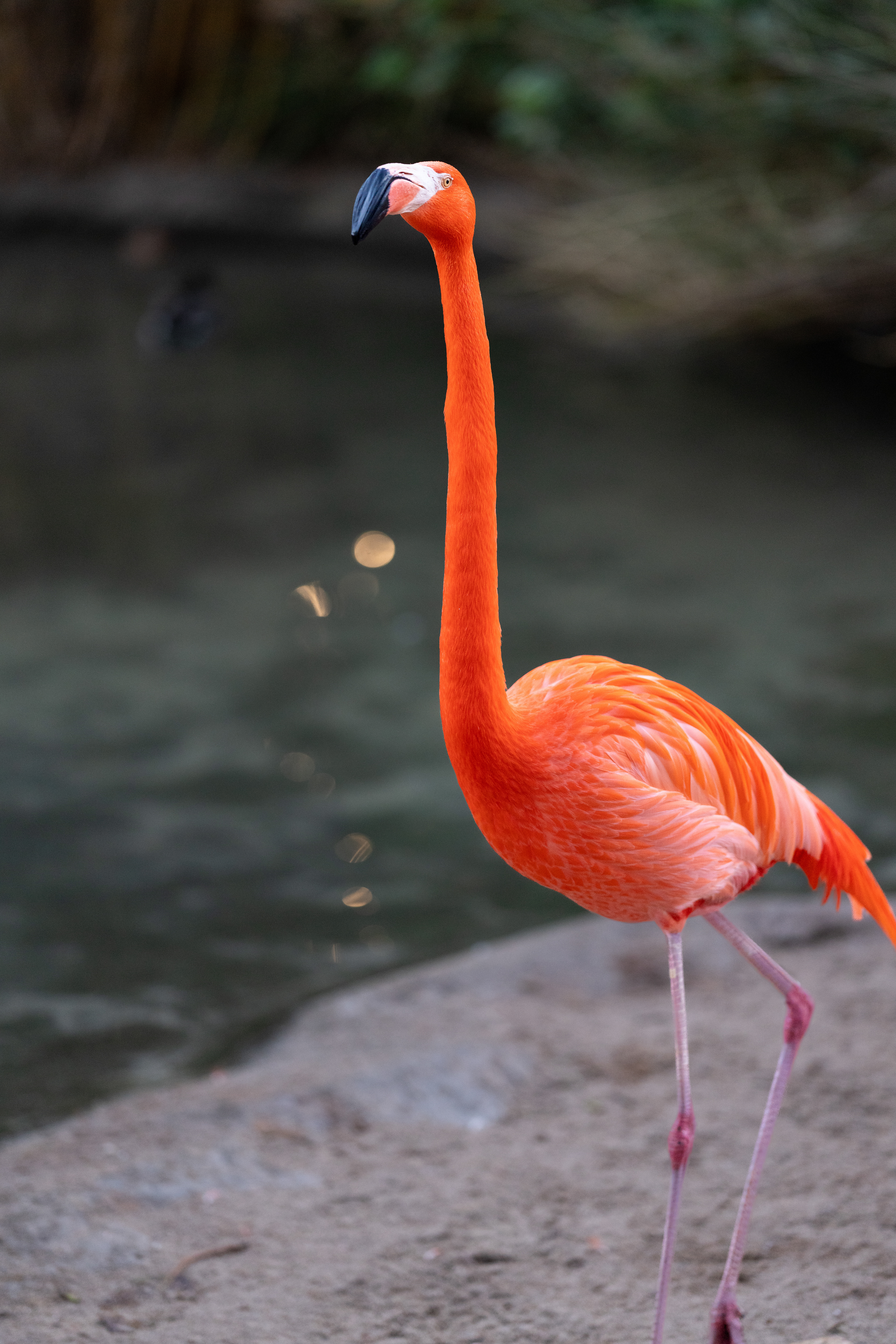
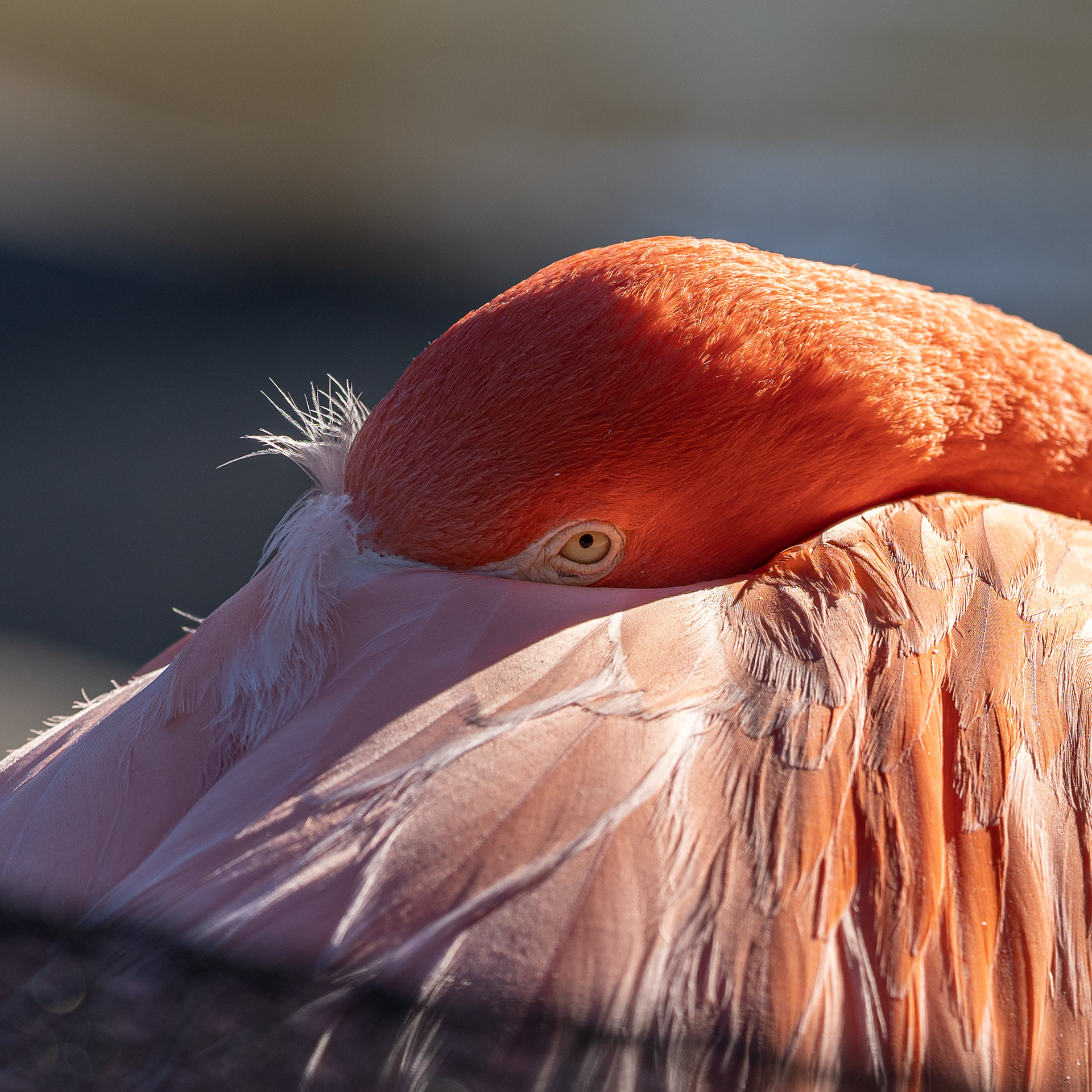
We reckon this flamingo is having a nap. But sleeping with its eyes open, keeping a wary eye on the zoo visitors:
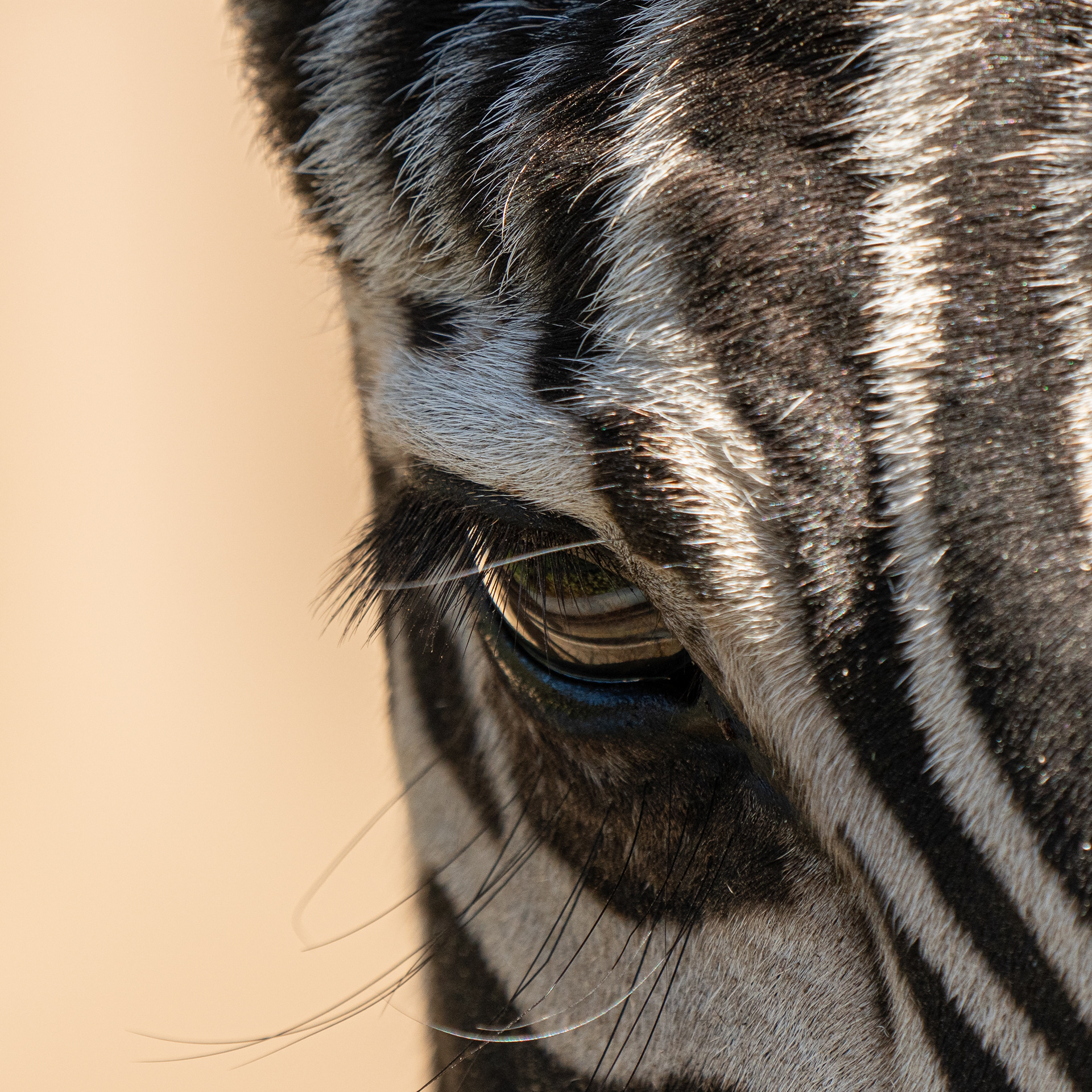
Zebra
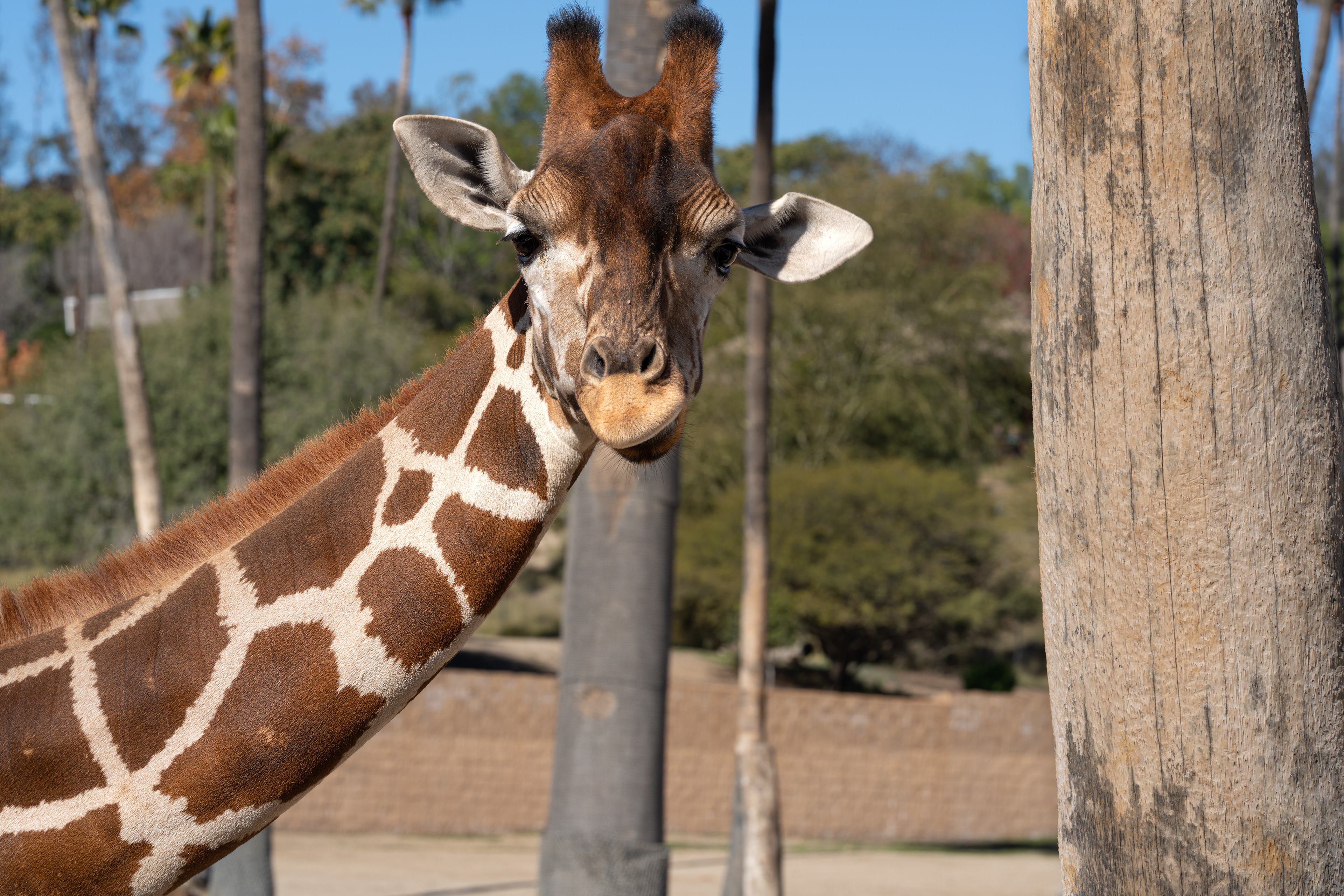
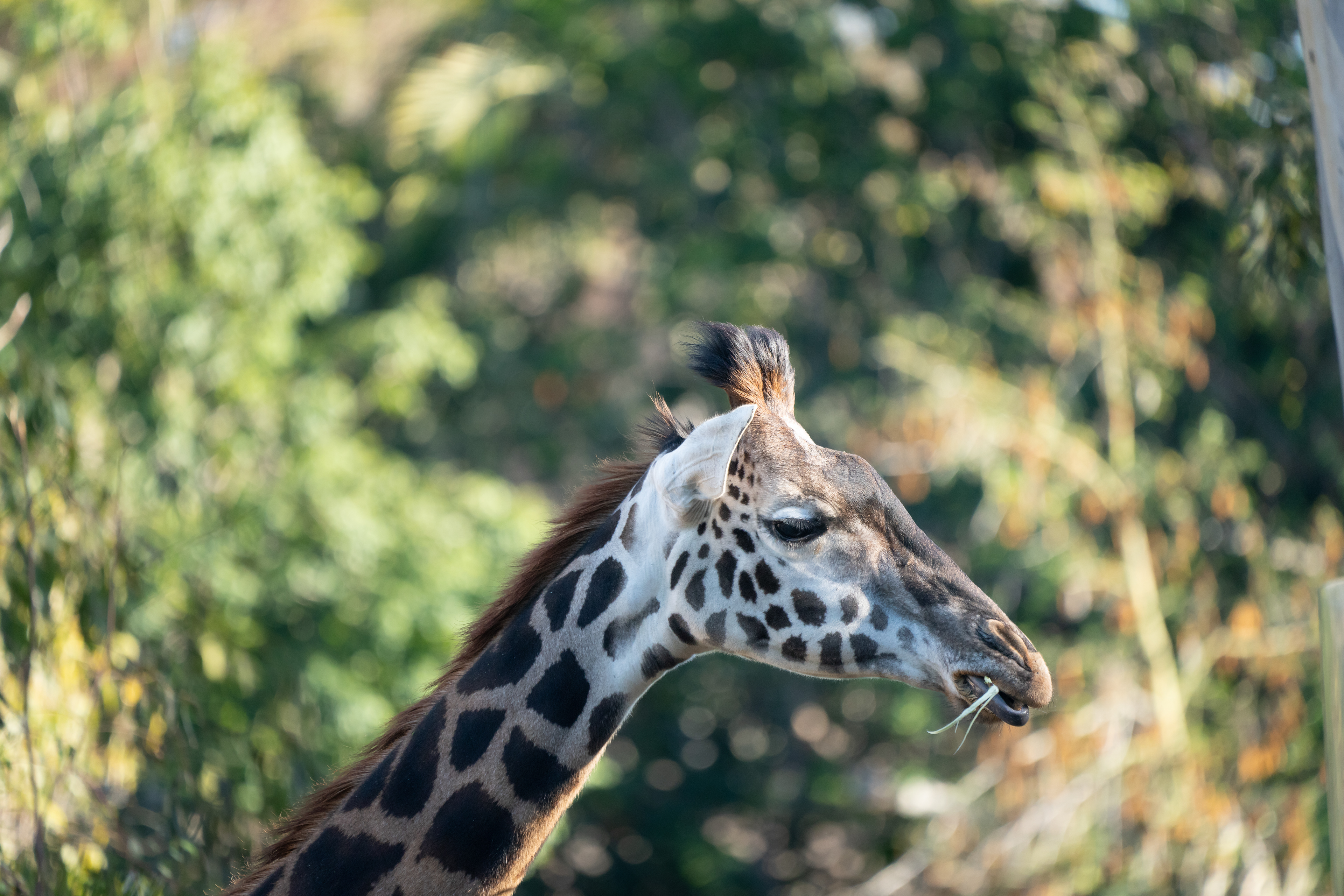
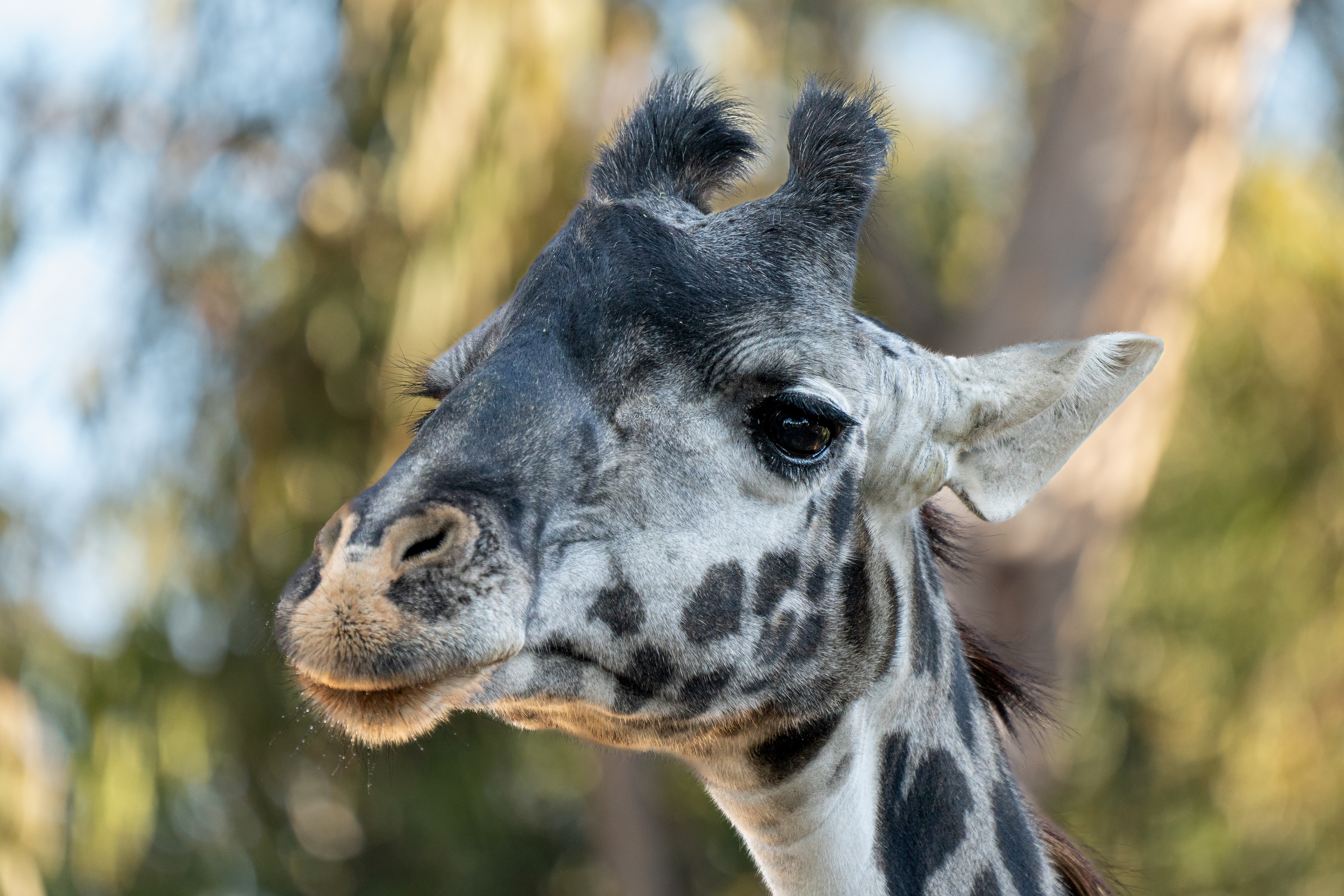
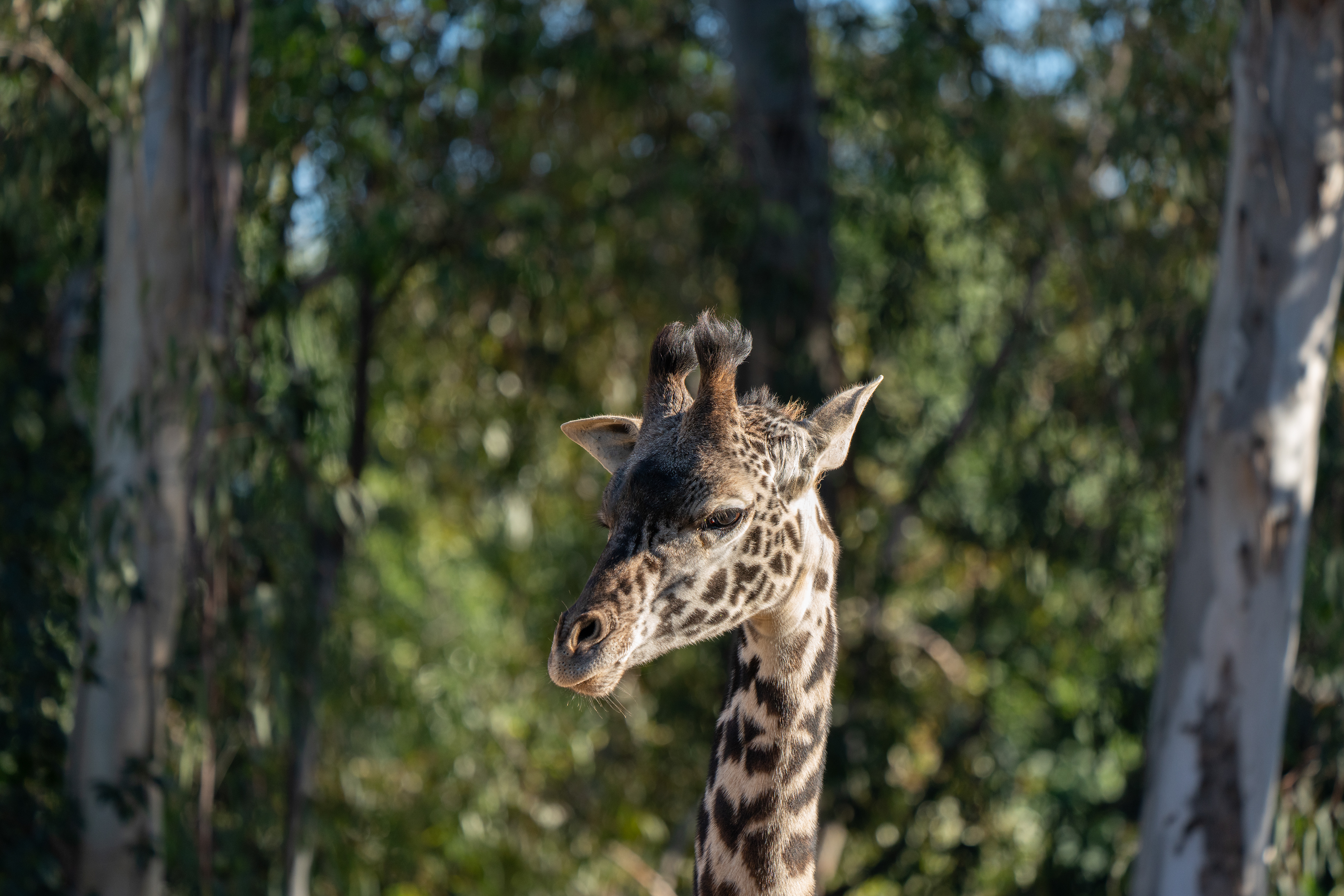
Giraffes (notably on dry land)
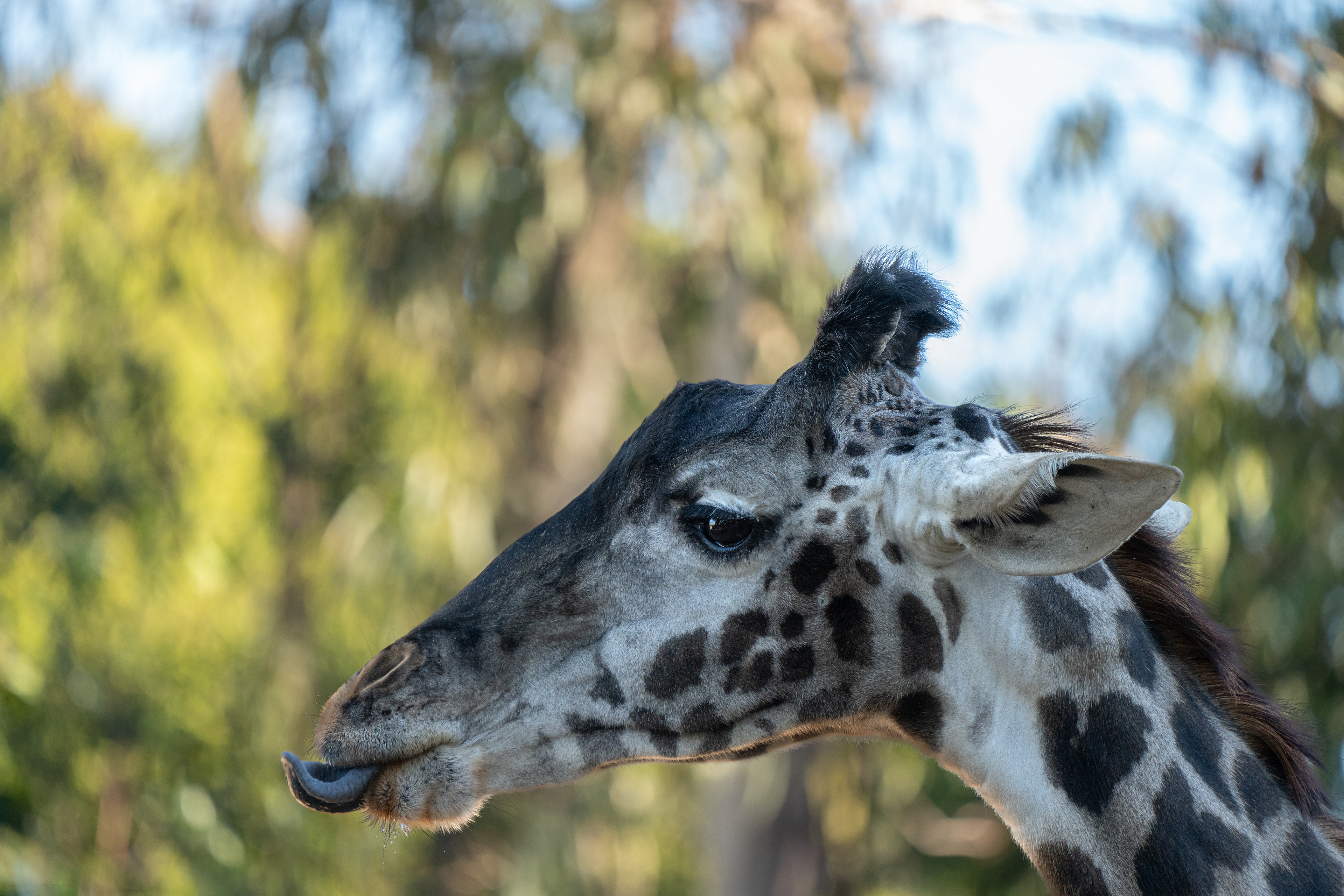
The tongue is long, black and prehensile
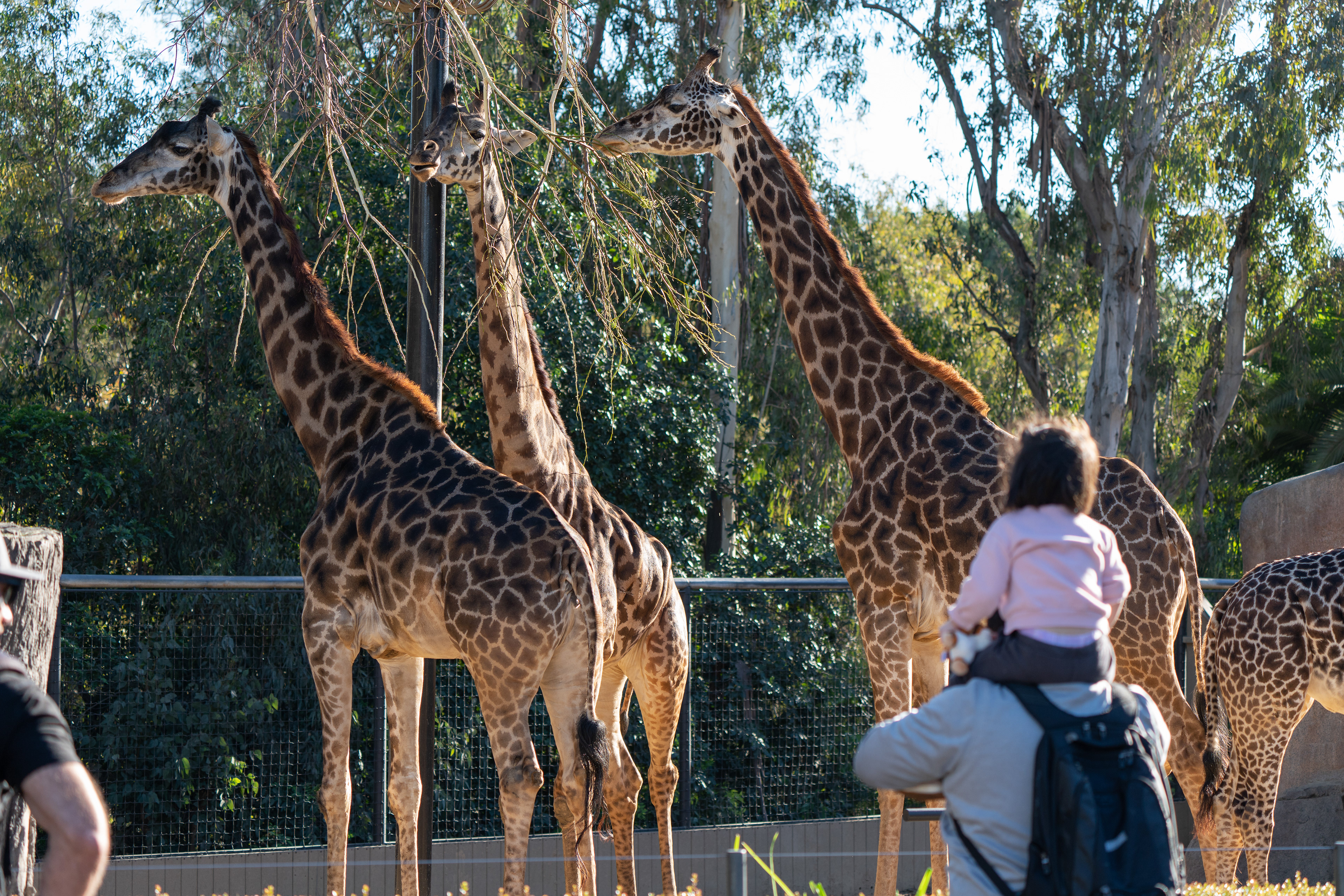
Father and child have a ways to go to rival the giraffes
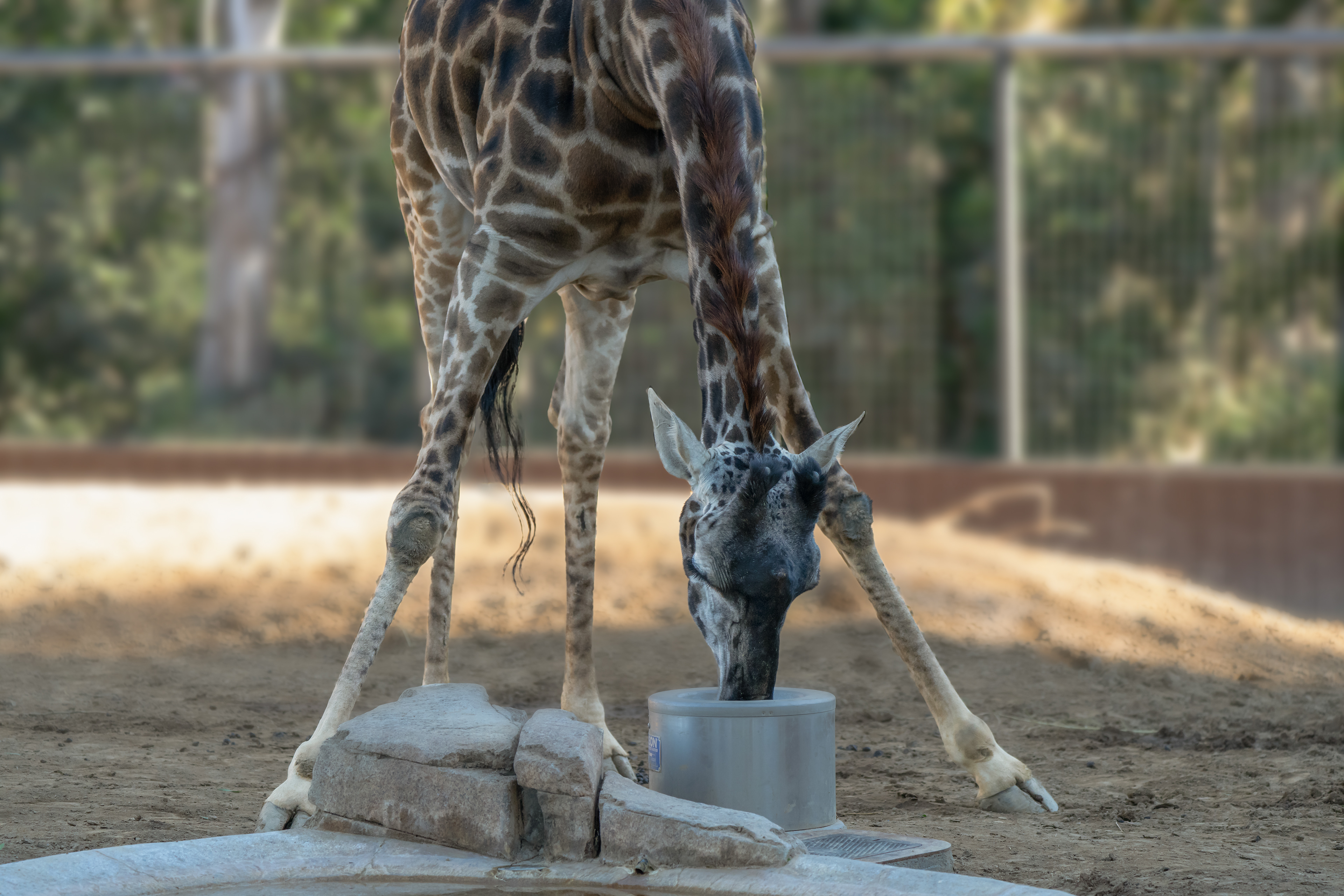
A giraffe having a drink. For quite some time, it was a mystery as to how the giraffe achieved this. That's a long way up for the water to flow. A recent theory is that it uses its mouth as a kind of water pump.
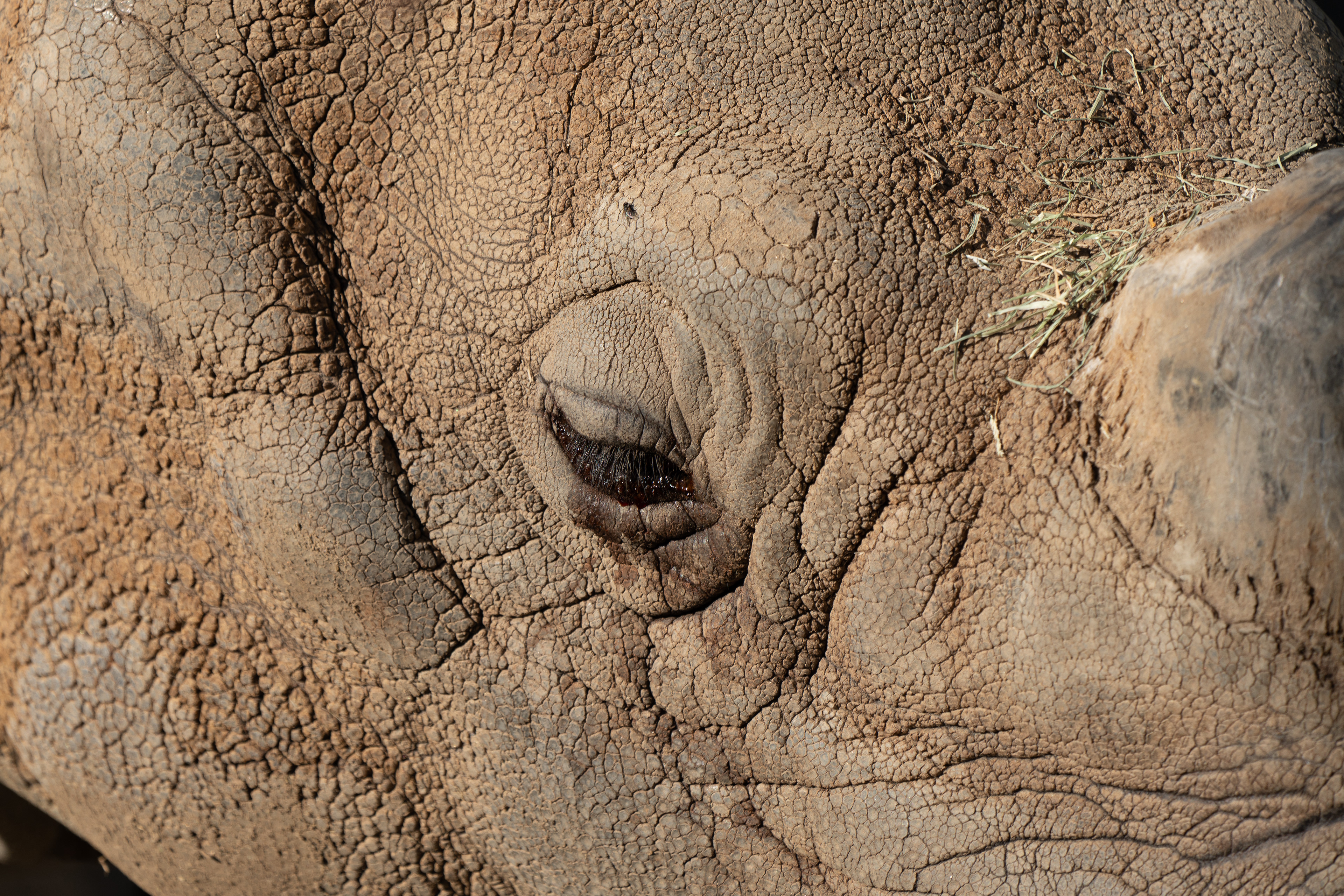
Rhinoceros
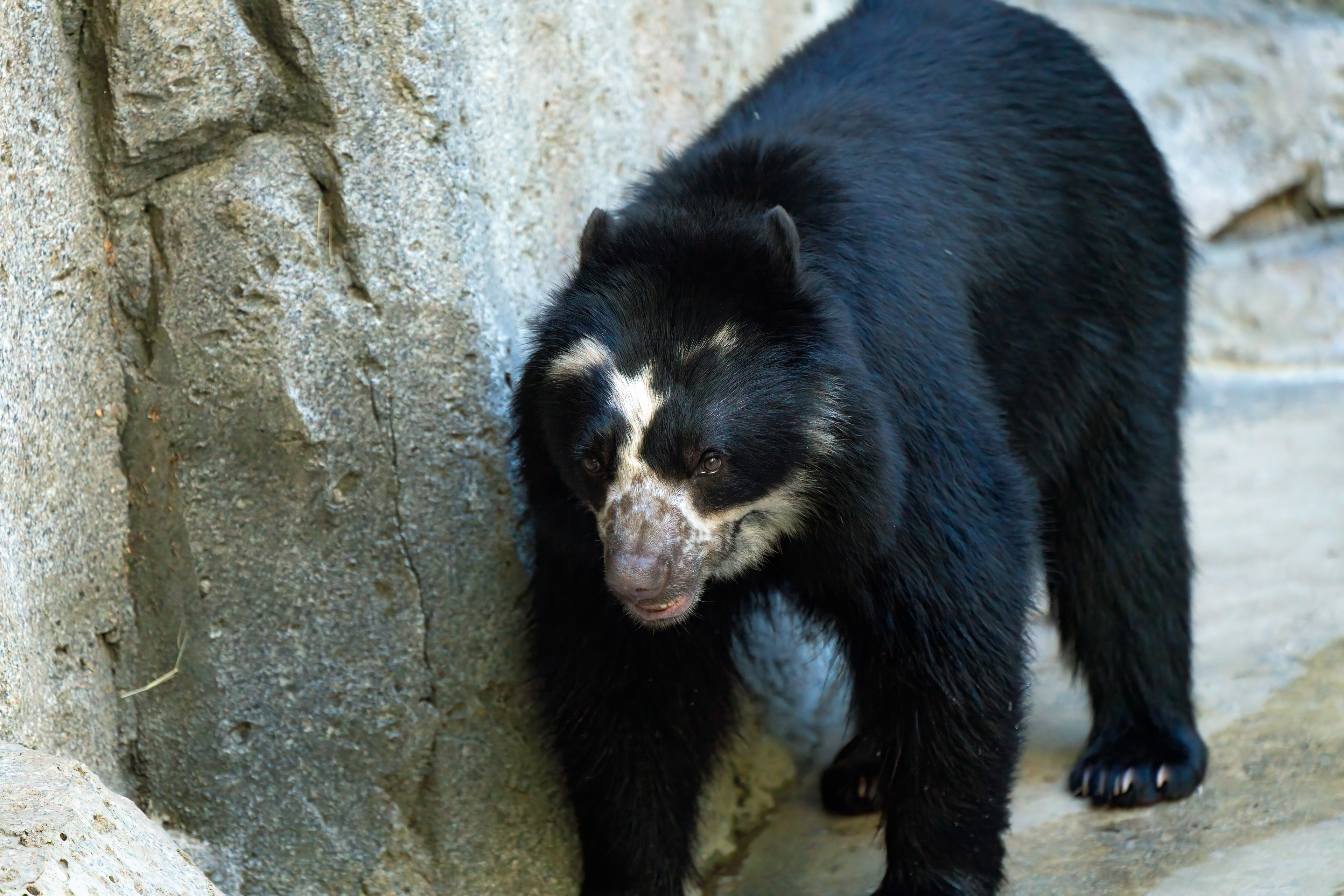
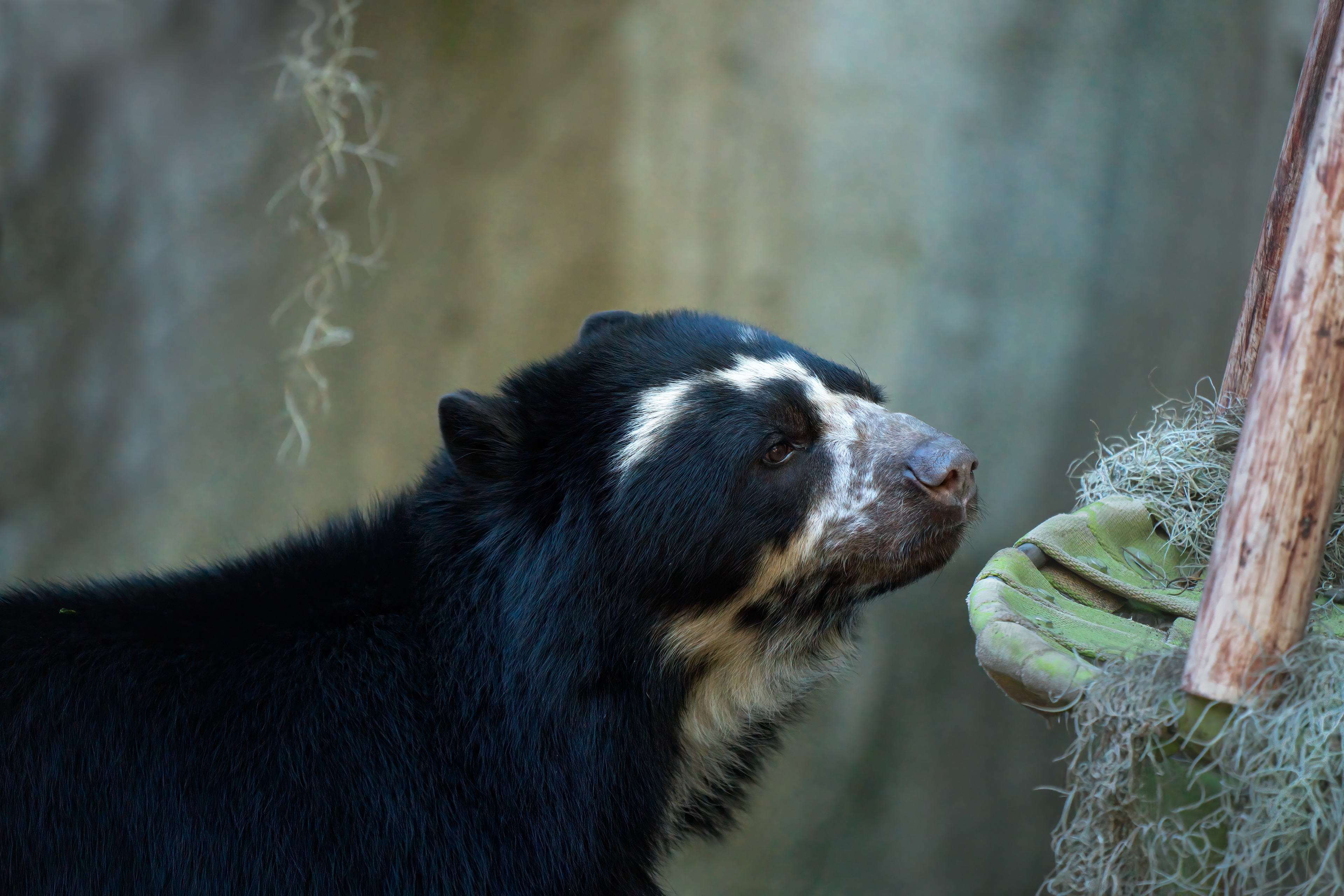
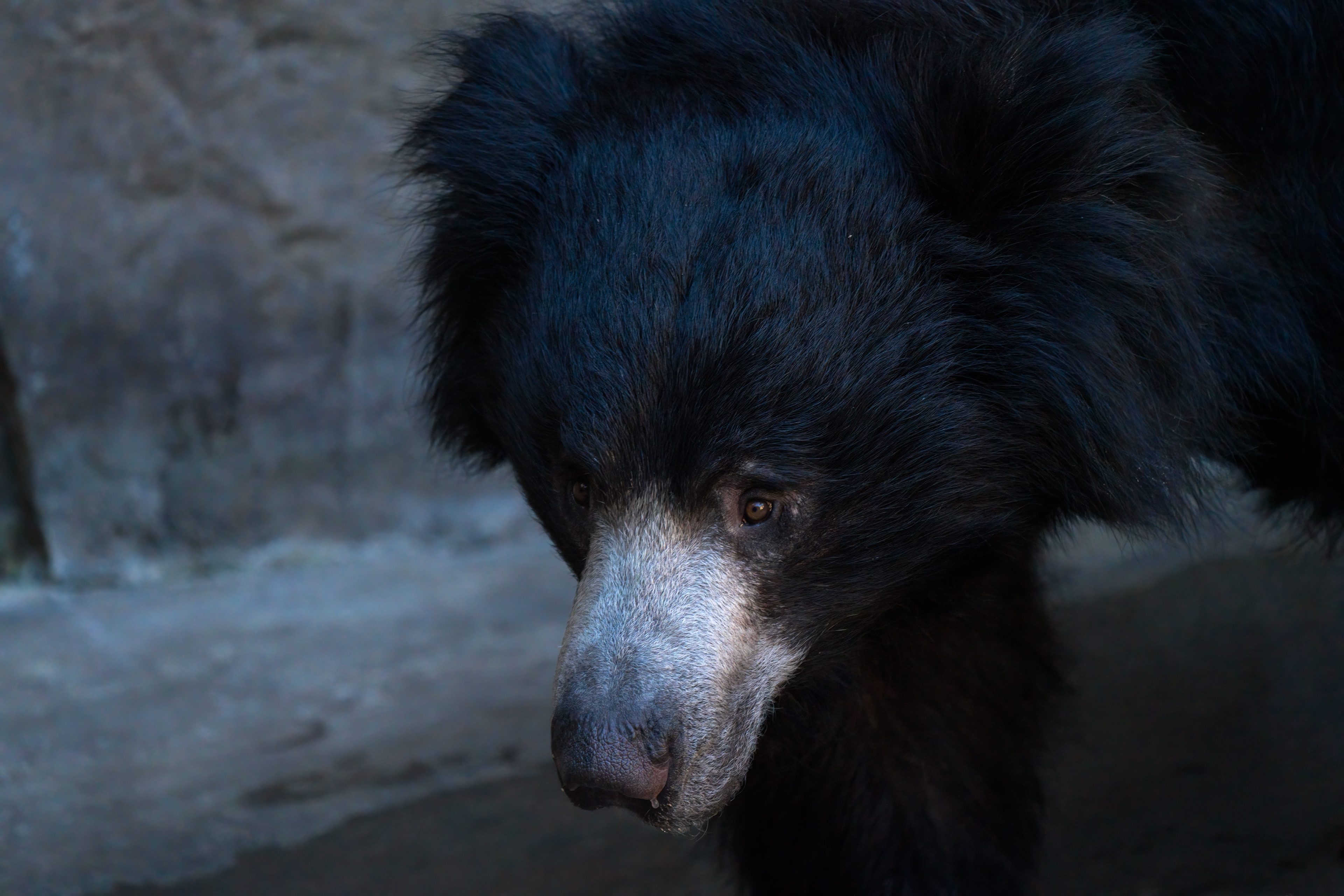
Andean Bear. Aka Spectacled Bear or Andean Short Faced Bear.
The last surviving member of the Short Faced bears, giant bears that went extinct about 11,000 years ago. ('Short-faced' is apparently a misnomer, it having a snout as long as any bear, but thicker at the base, so it appears shorter.)
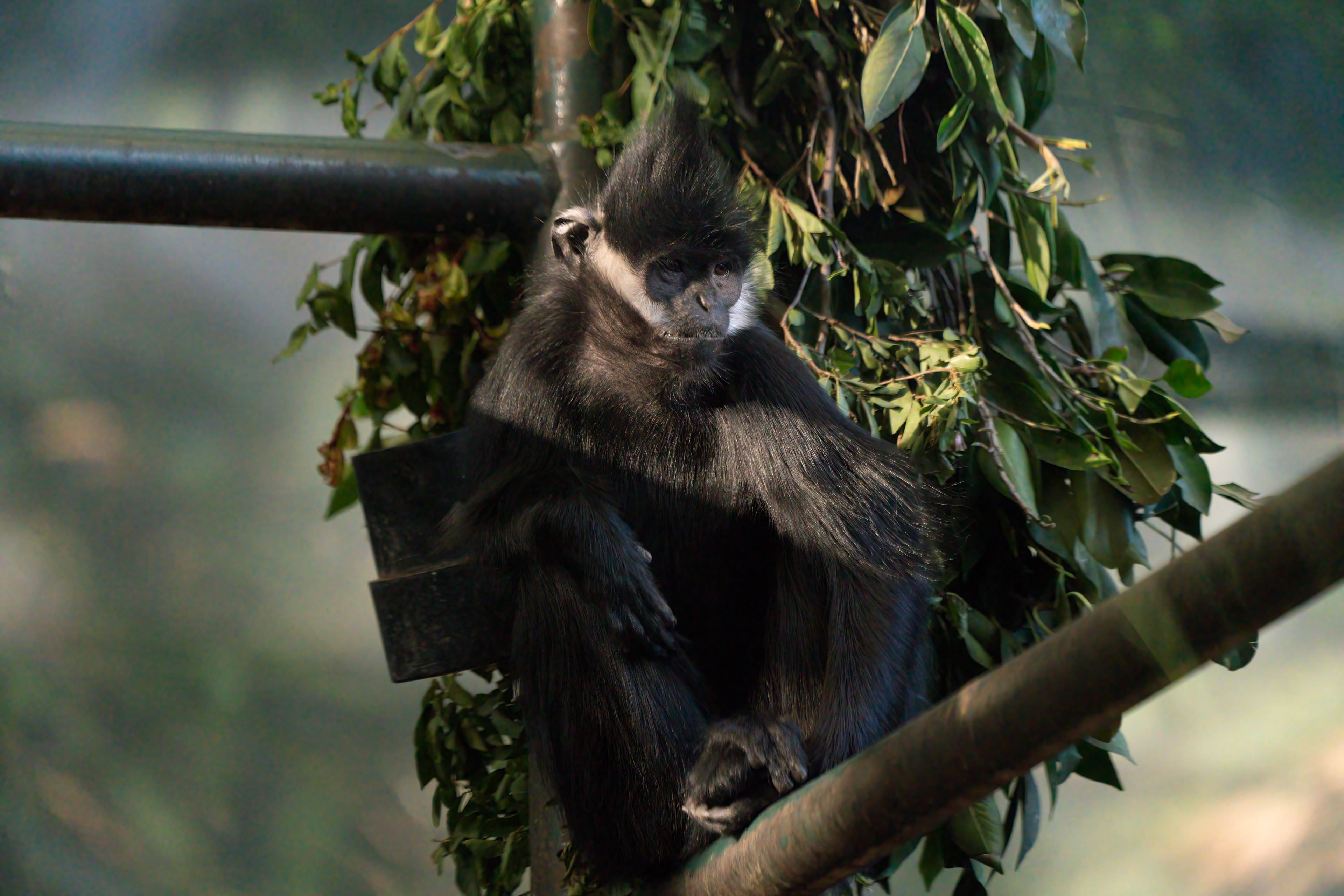
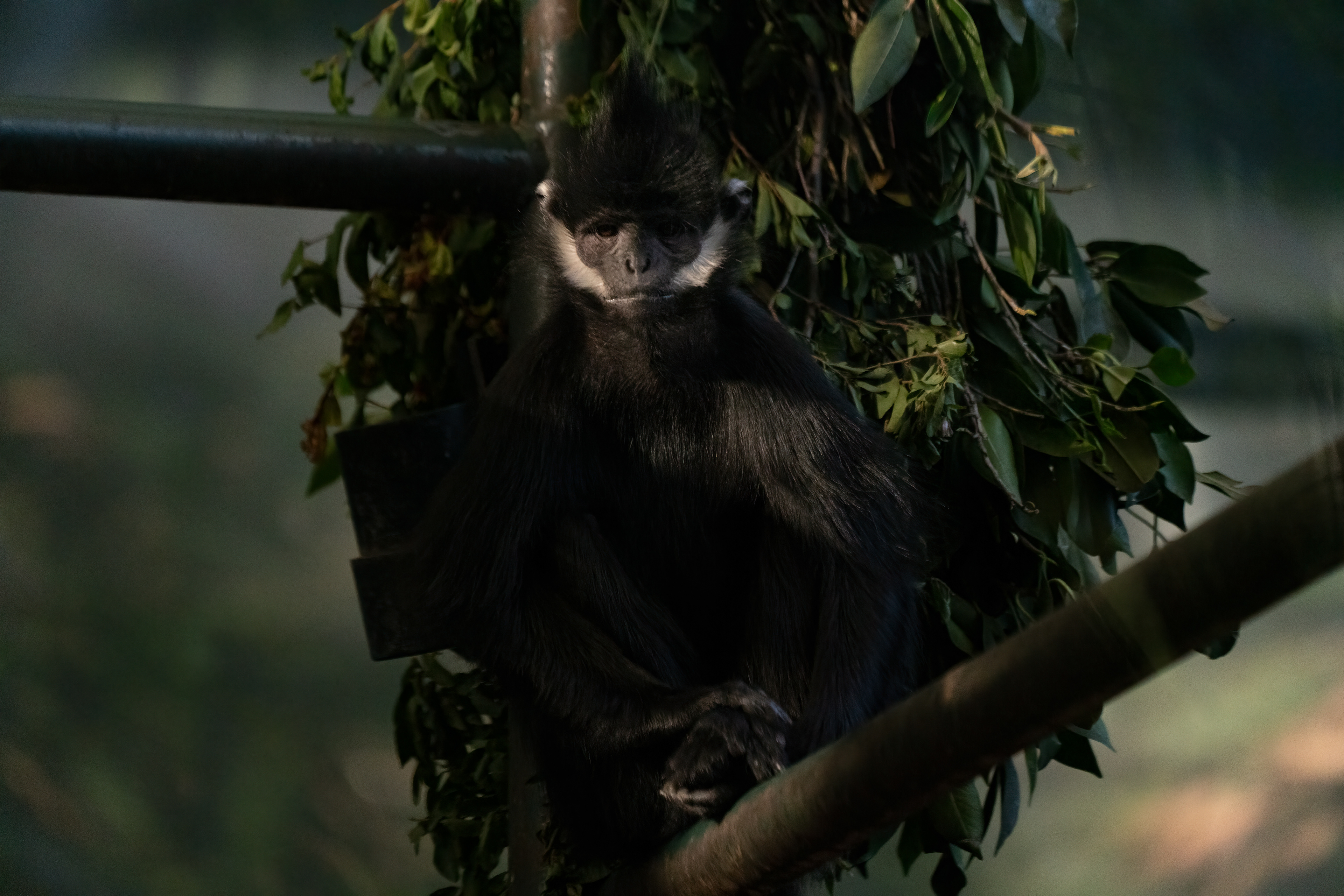
Francois' Langur
Which raises the questions as to who was François, what is a Langur, and why does this Langur belong to François? First, 'Langur' means long tailed. So we are talking here about a long-tailed monkey. It is a leaf eater, and is sometimes referred to as a leaf monkey. Lives - barely - in South China and North Vietnam. (Endangered.) Auguste François was the French Ambassador to China, 1896 to1904. He is mostly known as a photographer. Doubtless photographed his Langur.
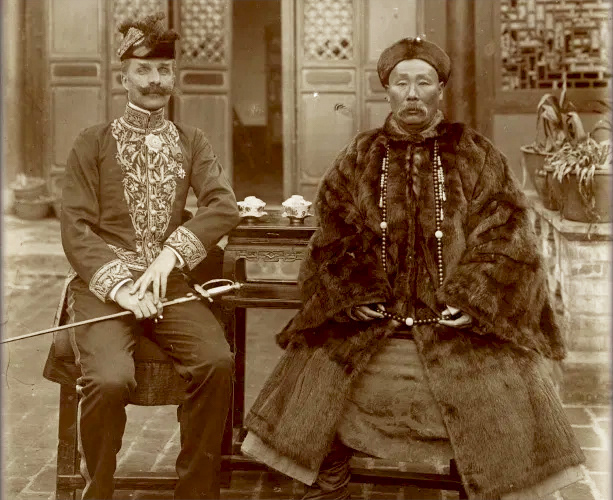
Auguste François and a Chinese General, 1902. His photographs and movies are the first known of China and Chinese life.
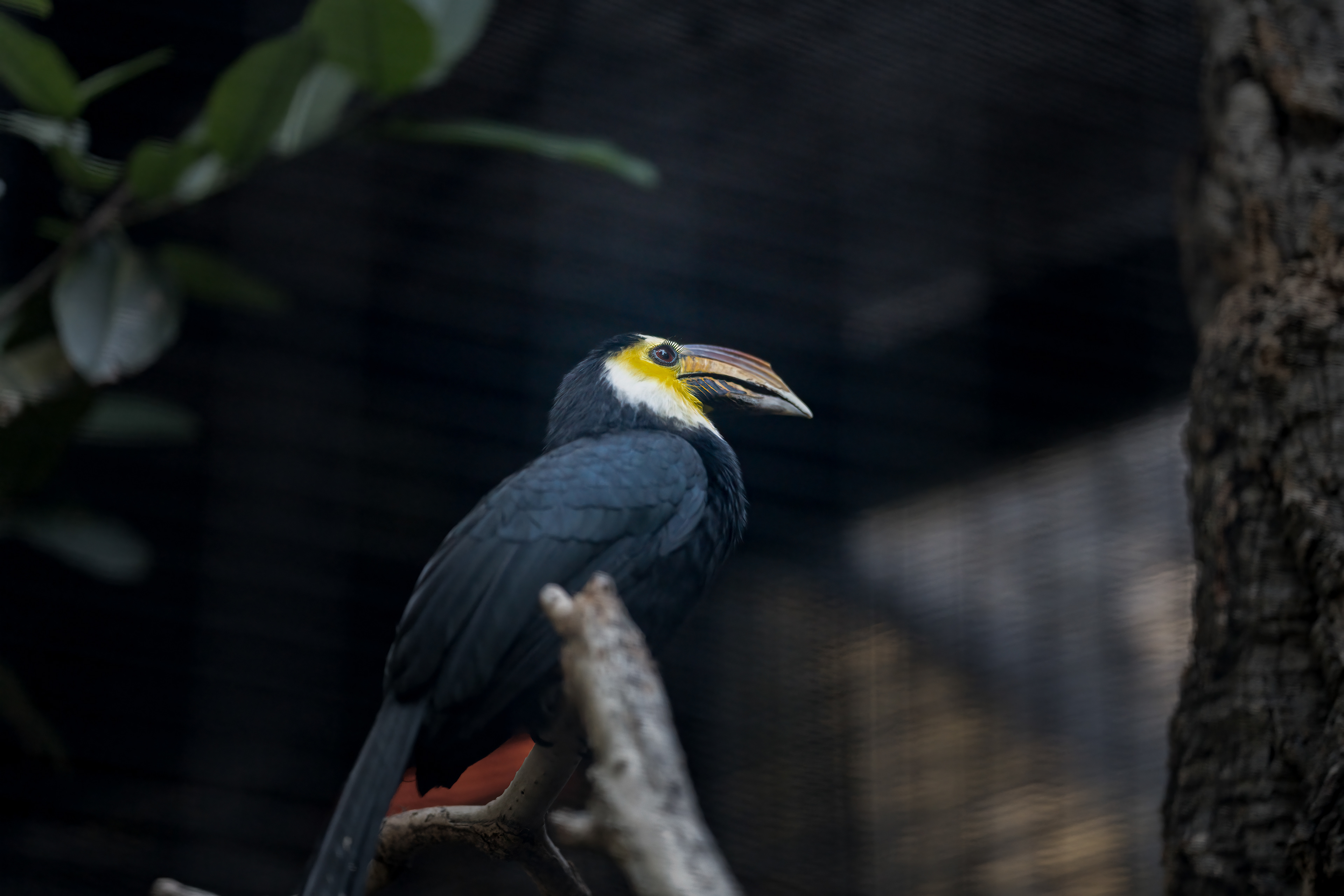
Sulawesi Hornbill, batting its eyelashes.
Threatened. San Diego Zoo is one of three in the world that breeds them. (Another is Whipsnade.) But San Diego doesn't have enough of them. They are social birds, living in groups of about 20.
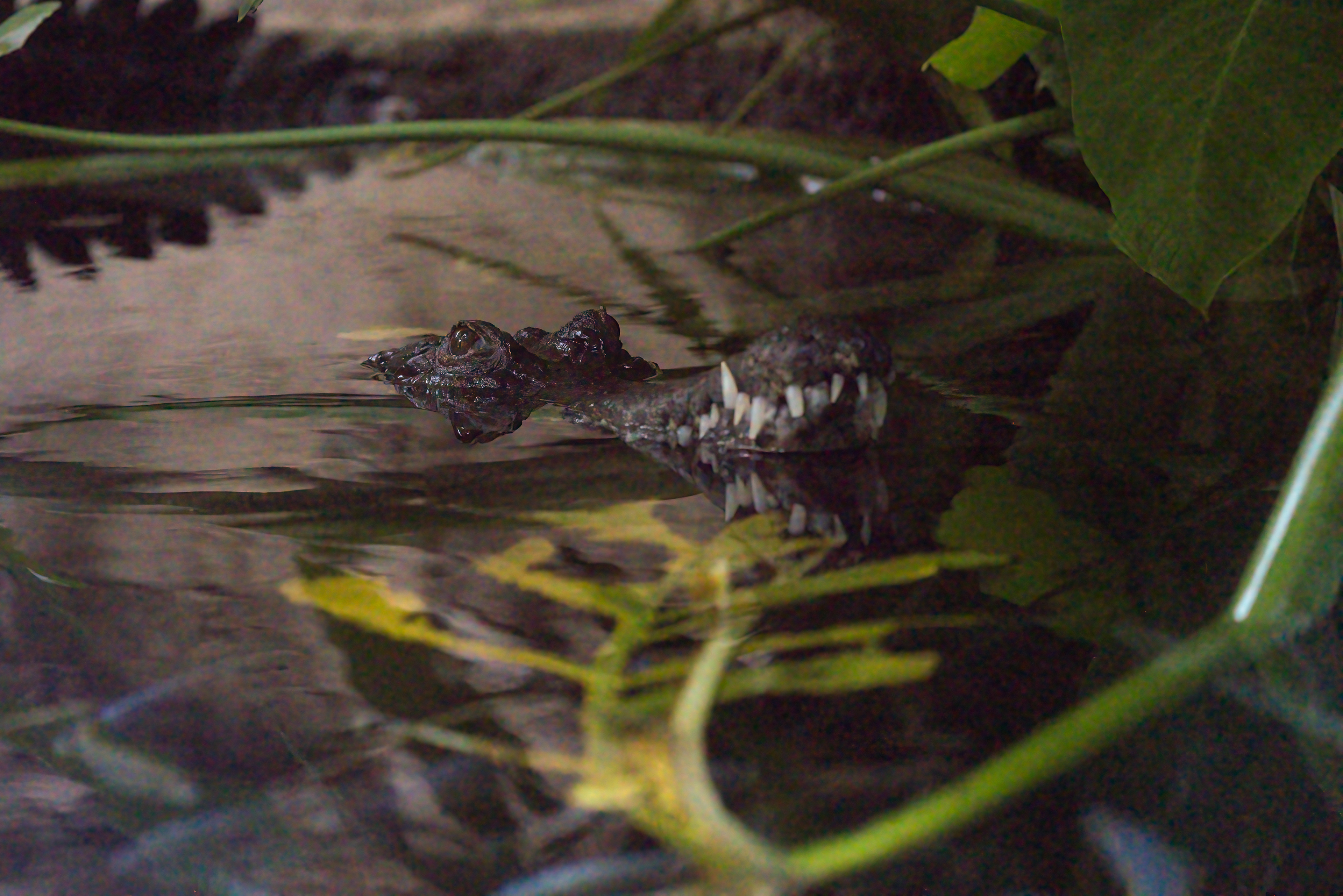
African Dwarf Crocodile. But it's trying its best.
Go around Scrips Aviary:
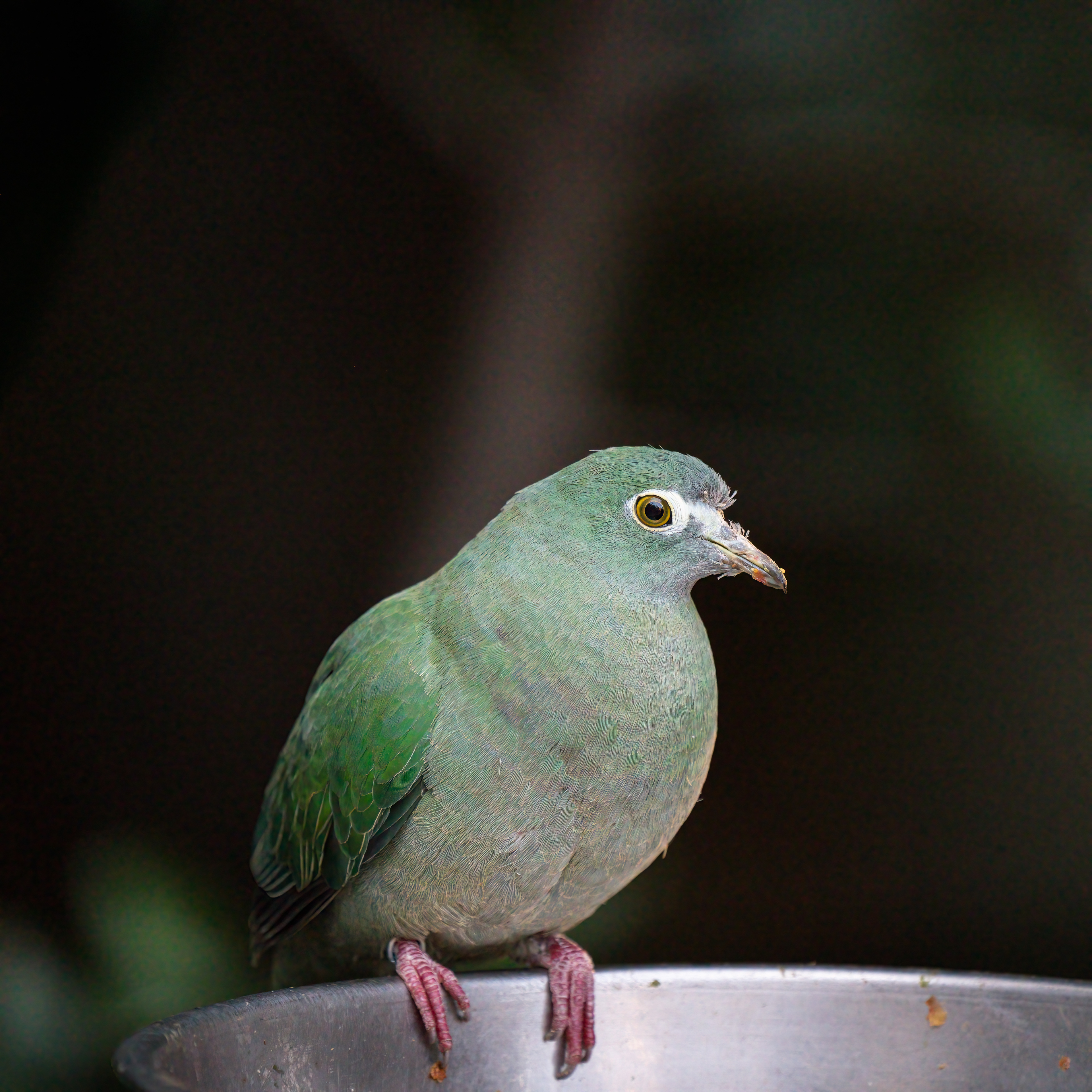
Scrips Aviary (album)
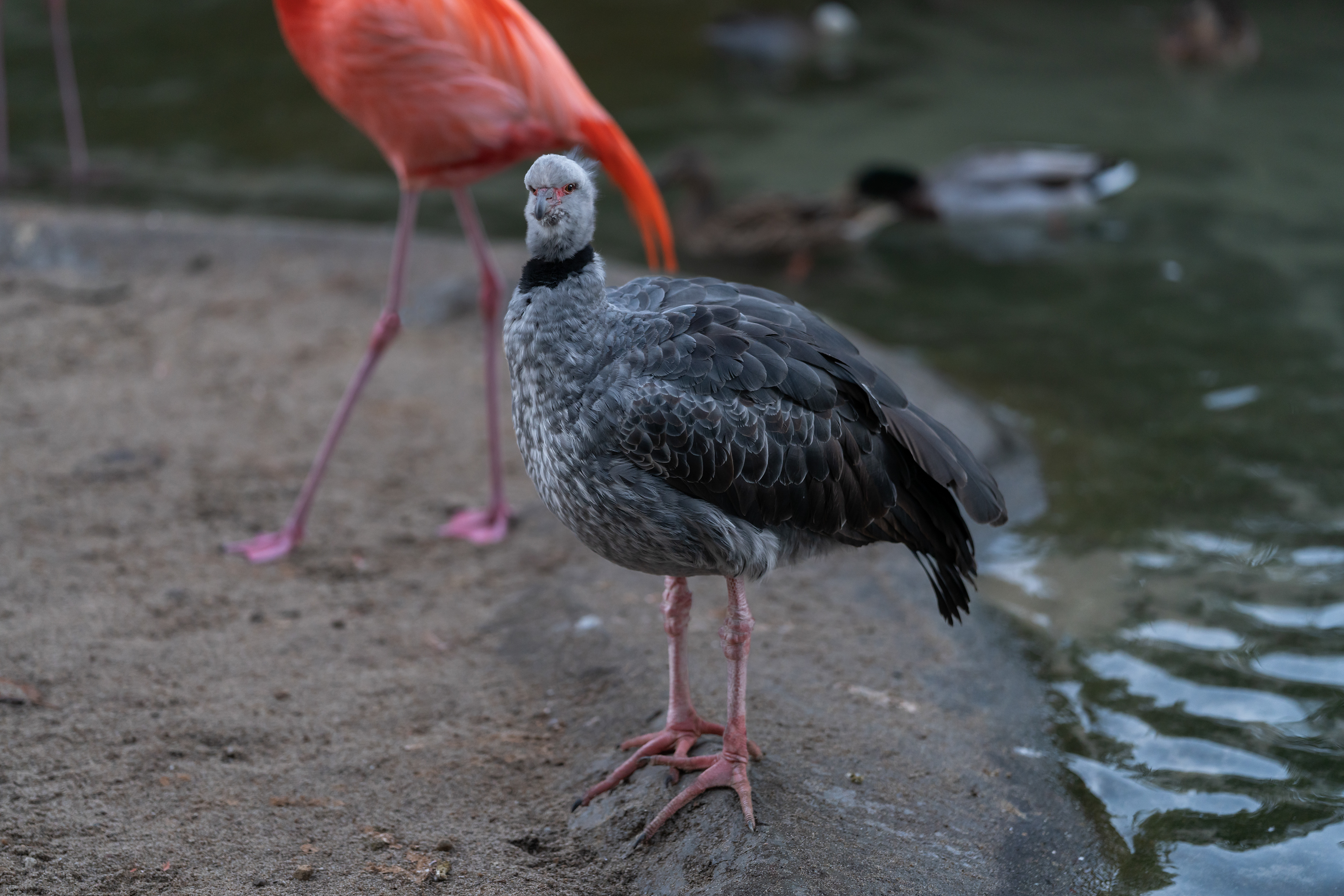
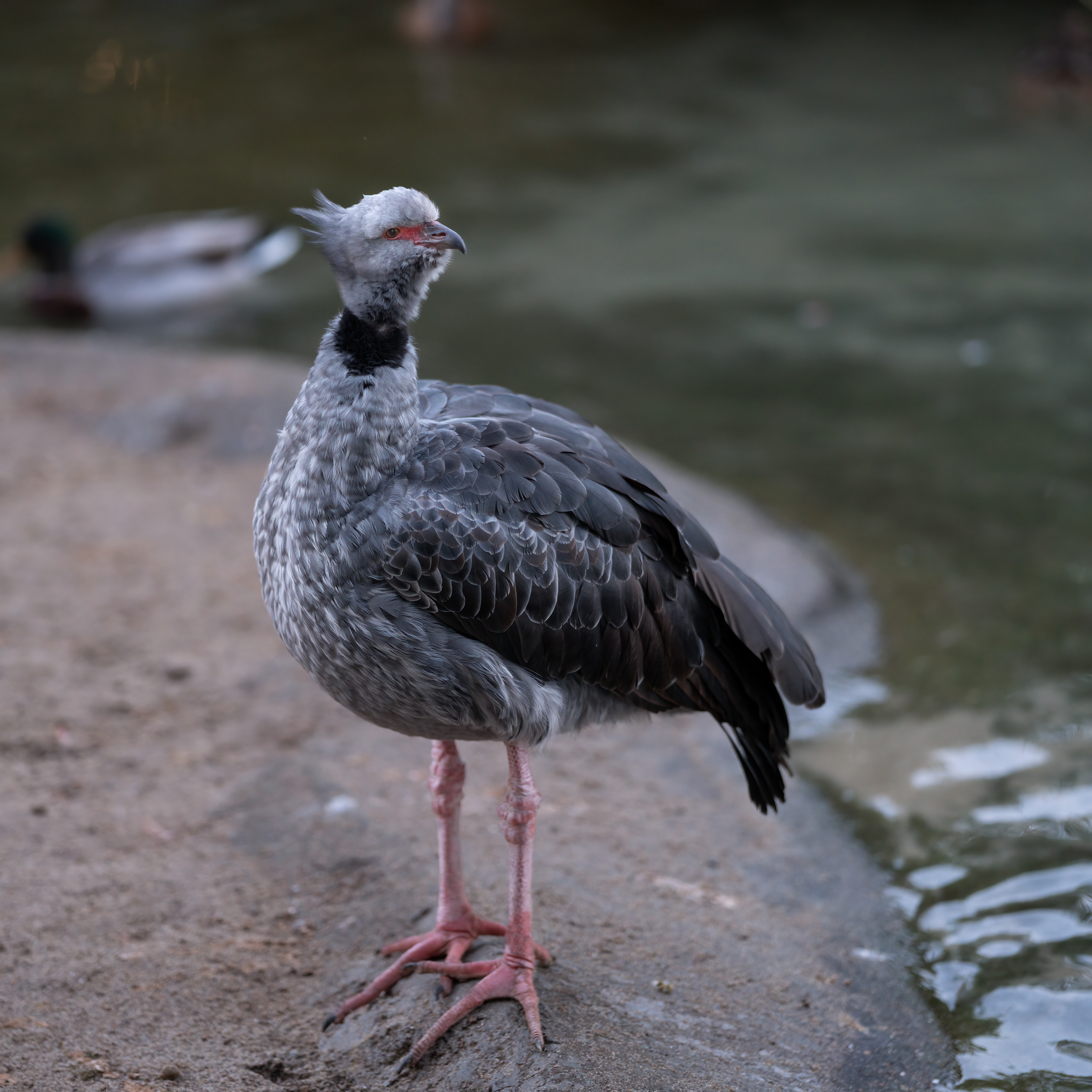
Southern Screamer
(Because, obviously, of the noise it makes.)