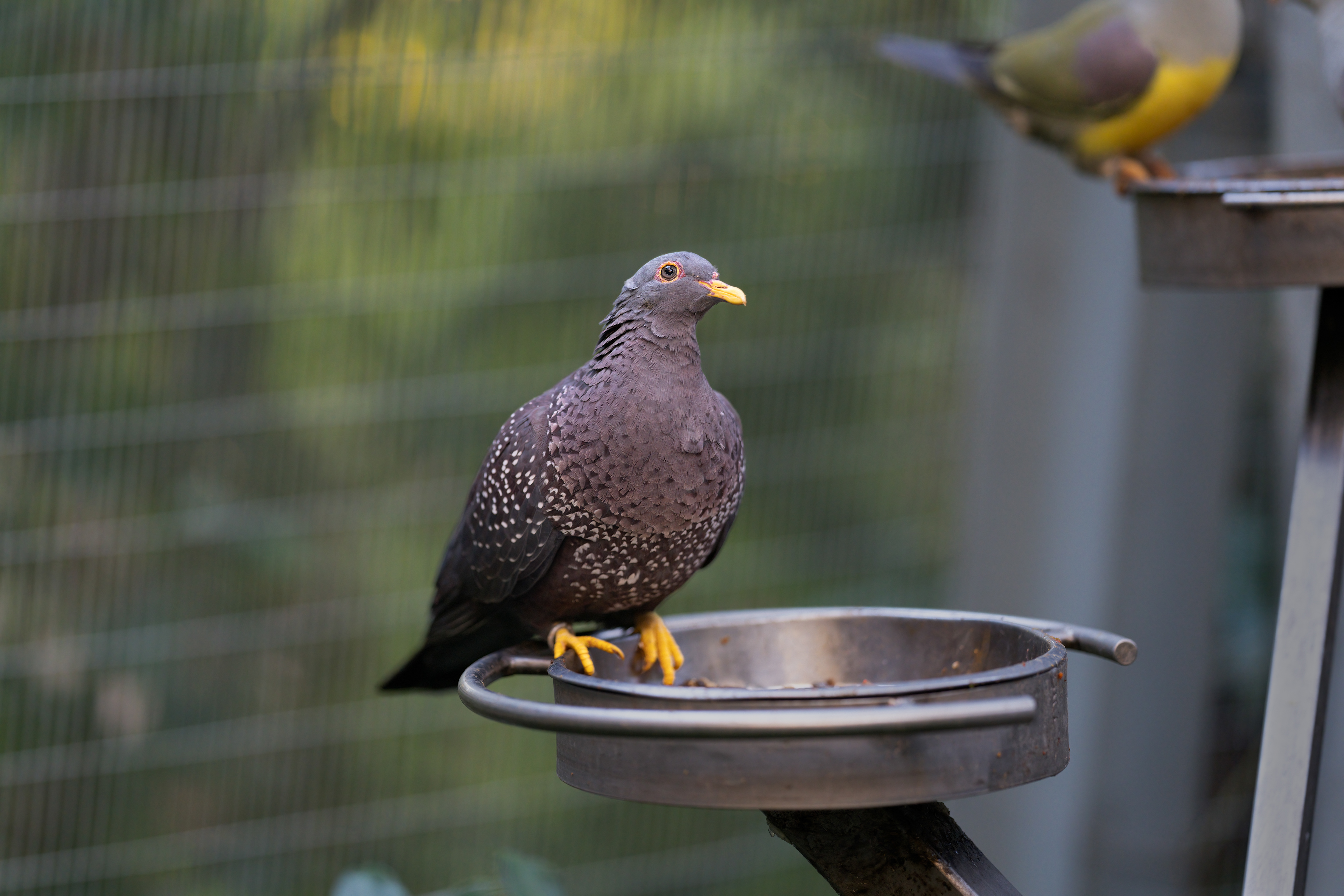
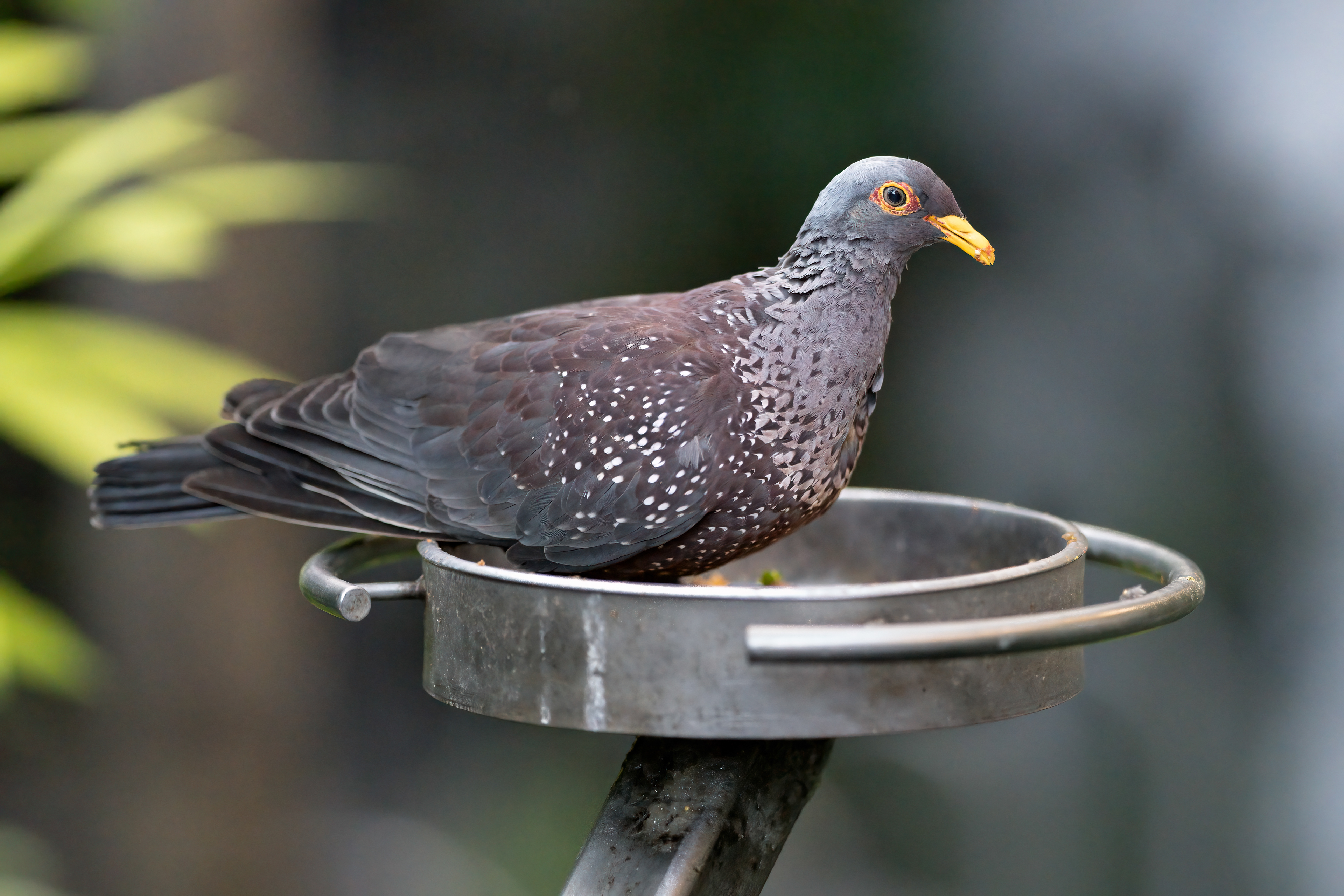
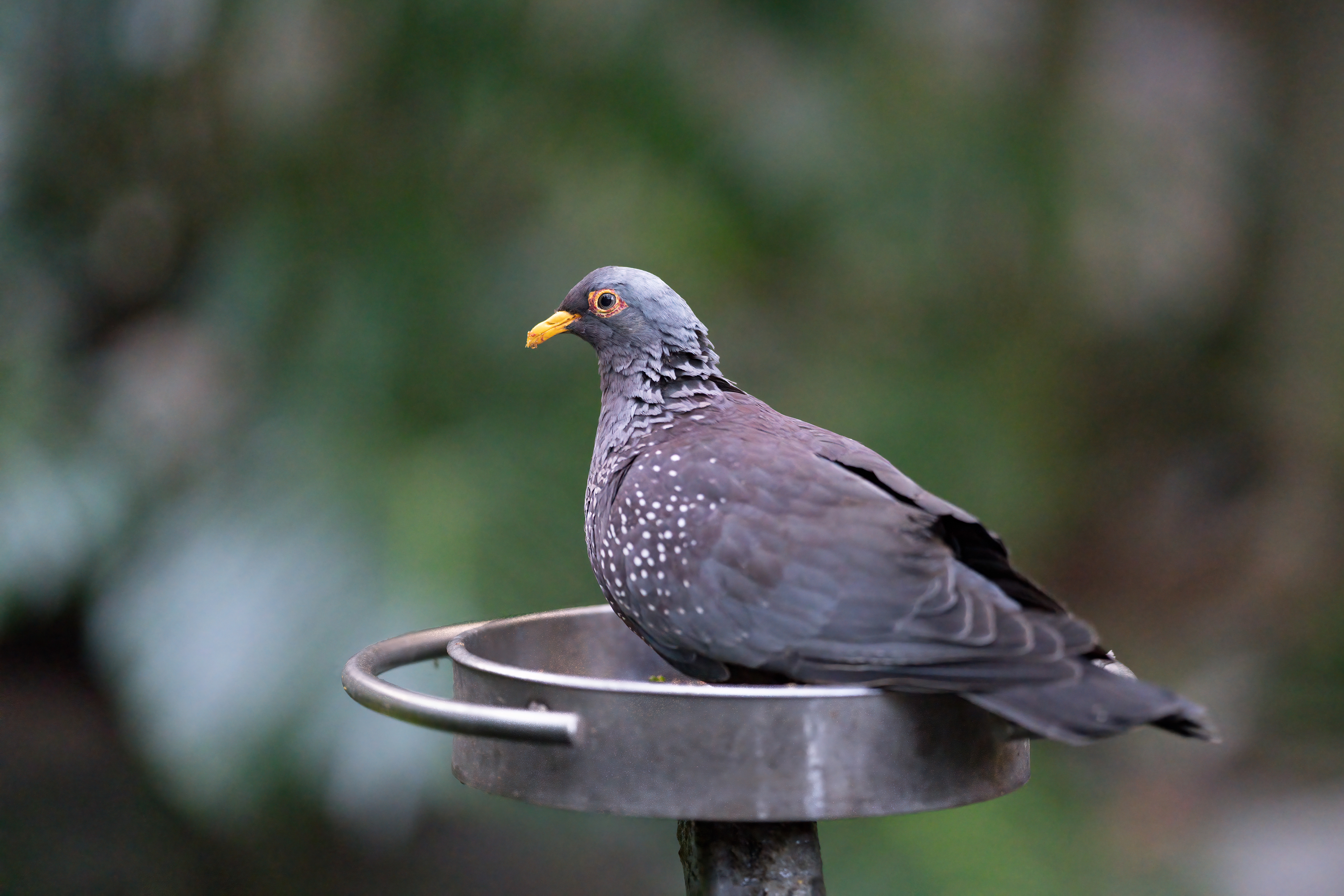
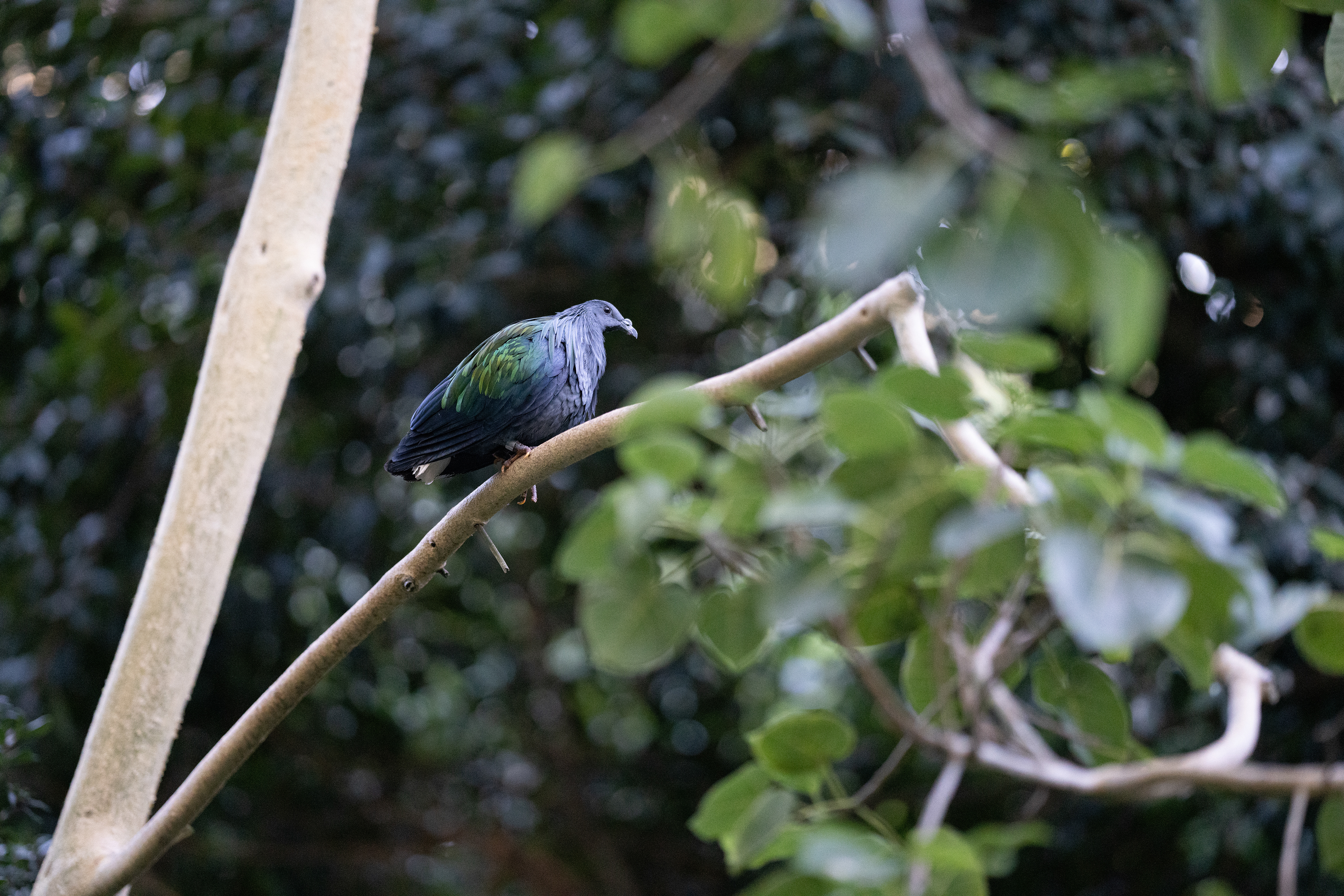
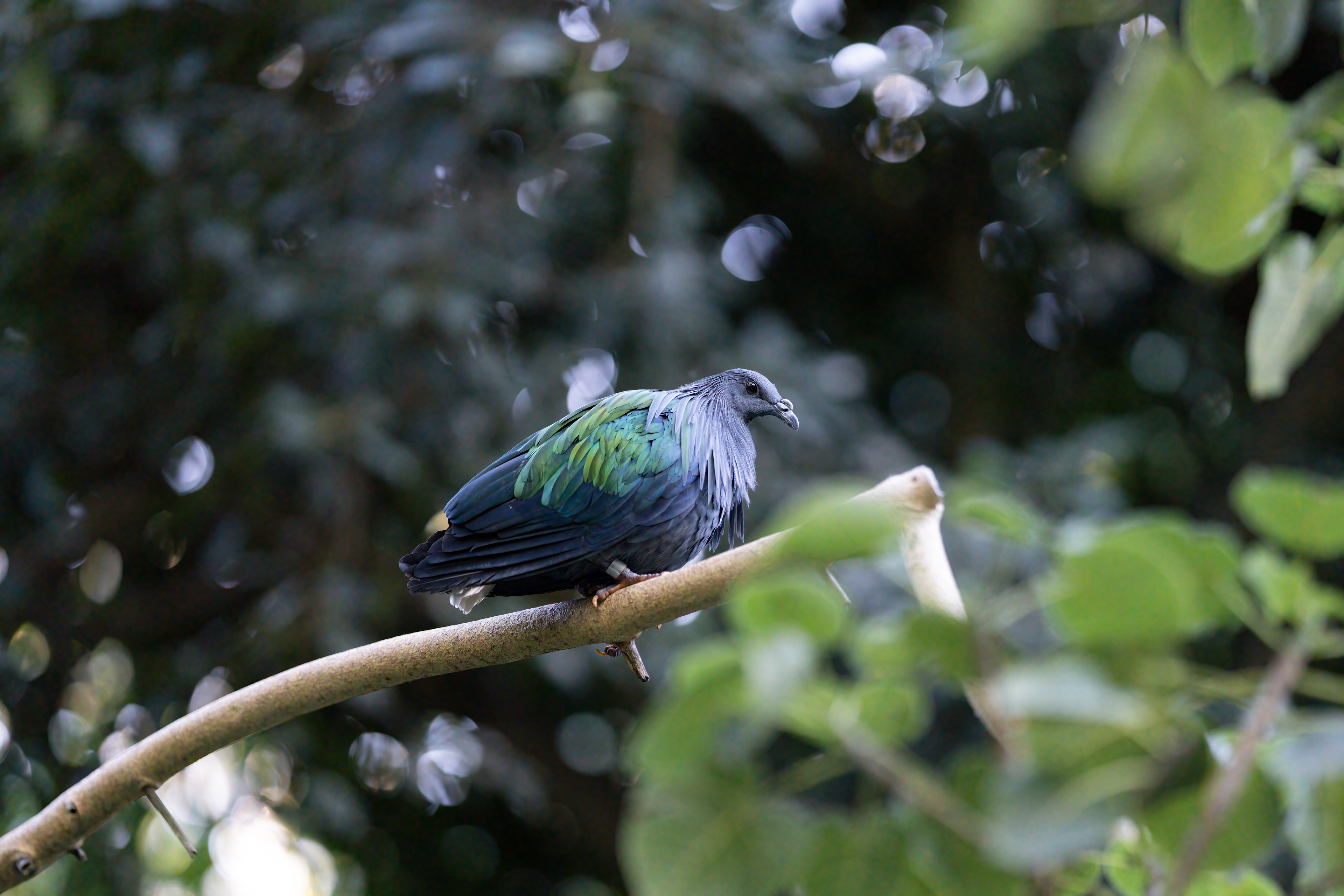
Nicobar Pigeon
It's not yet endangered, but gradually heading that way. The fear is that it will go the way of the dodo, of which it is the closest surviving relative.
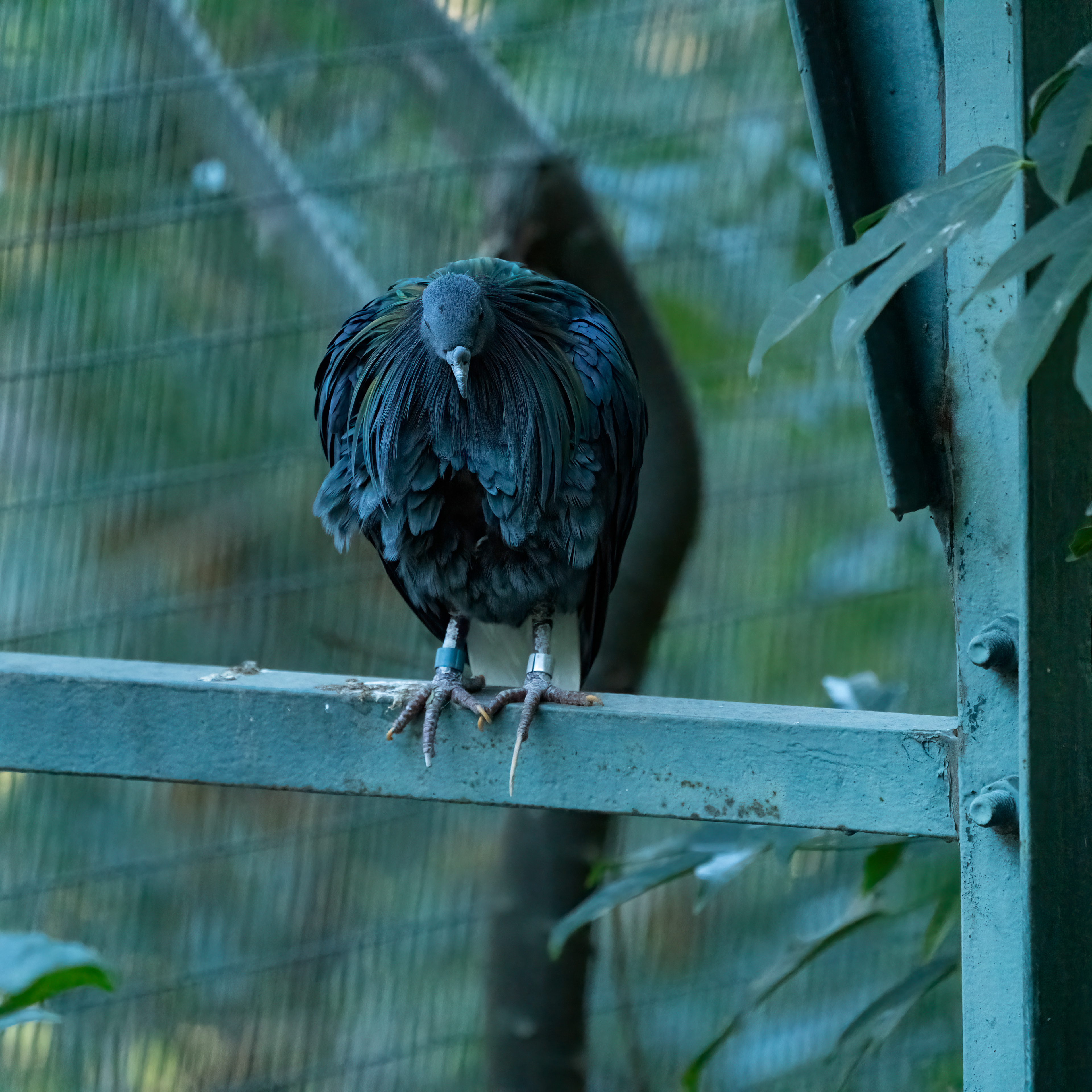
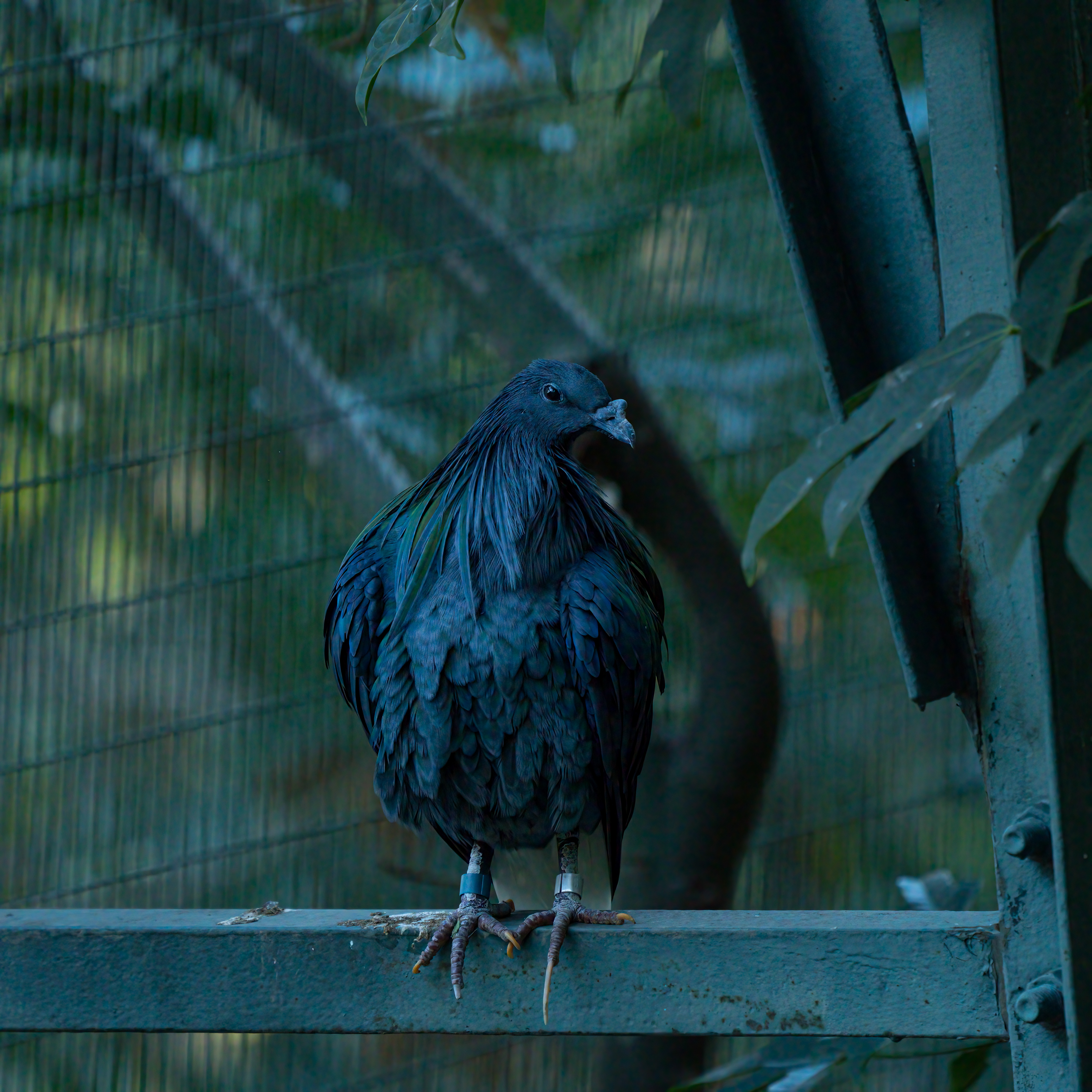
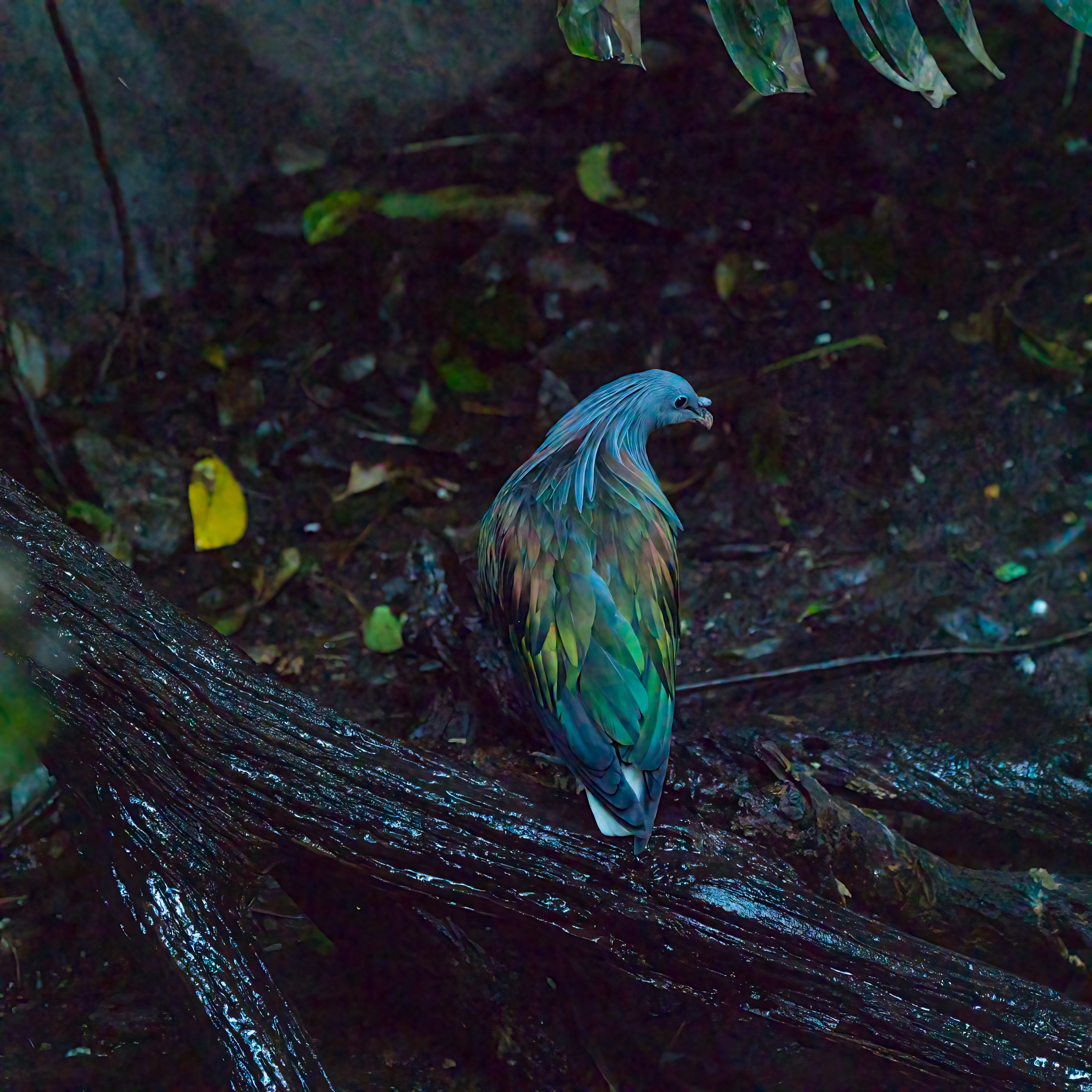
No great photo, but it shows off the extraordinary colouration
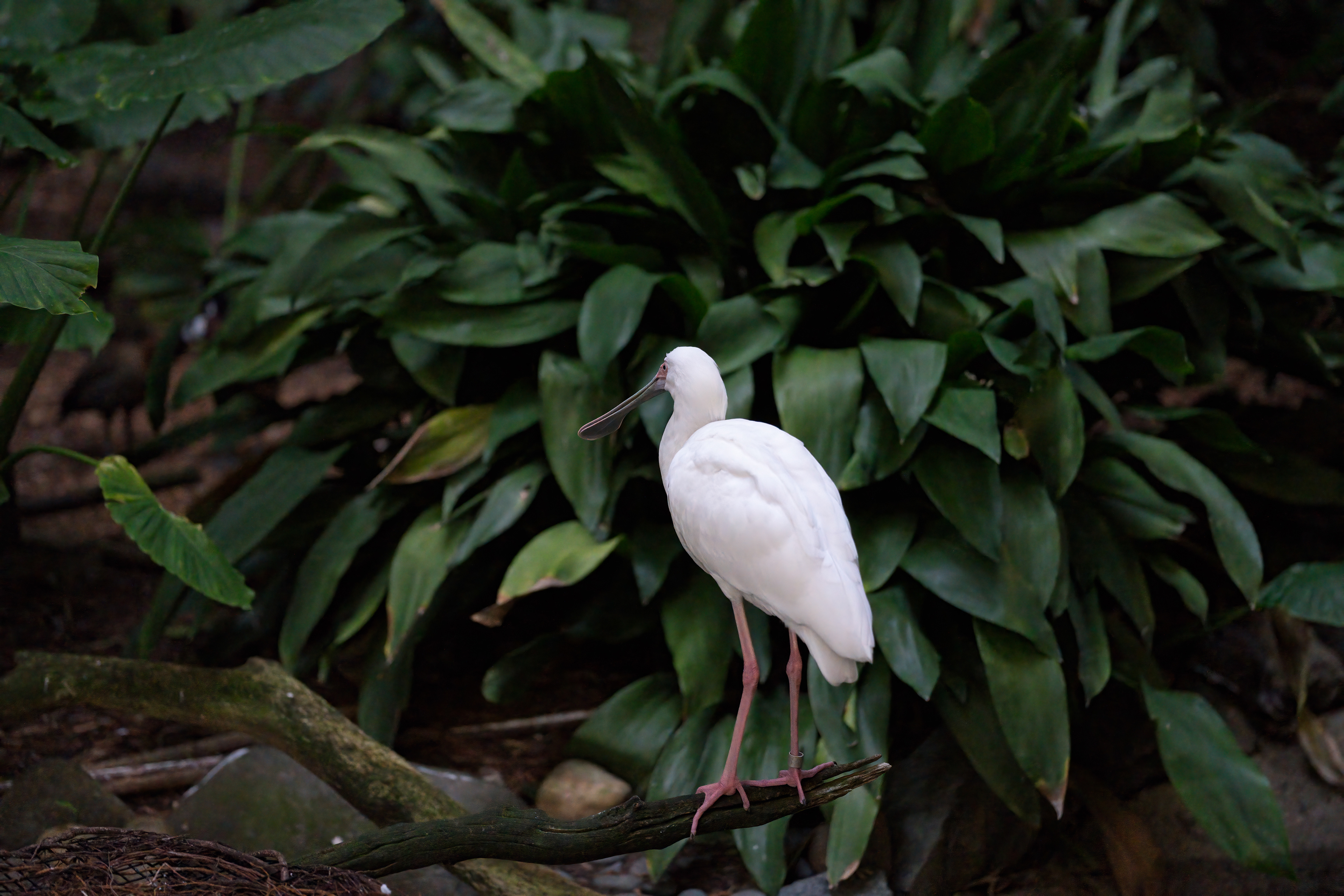
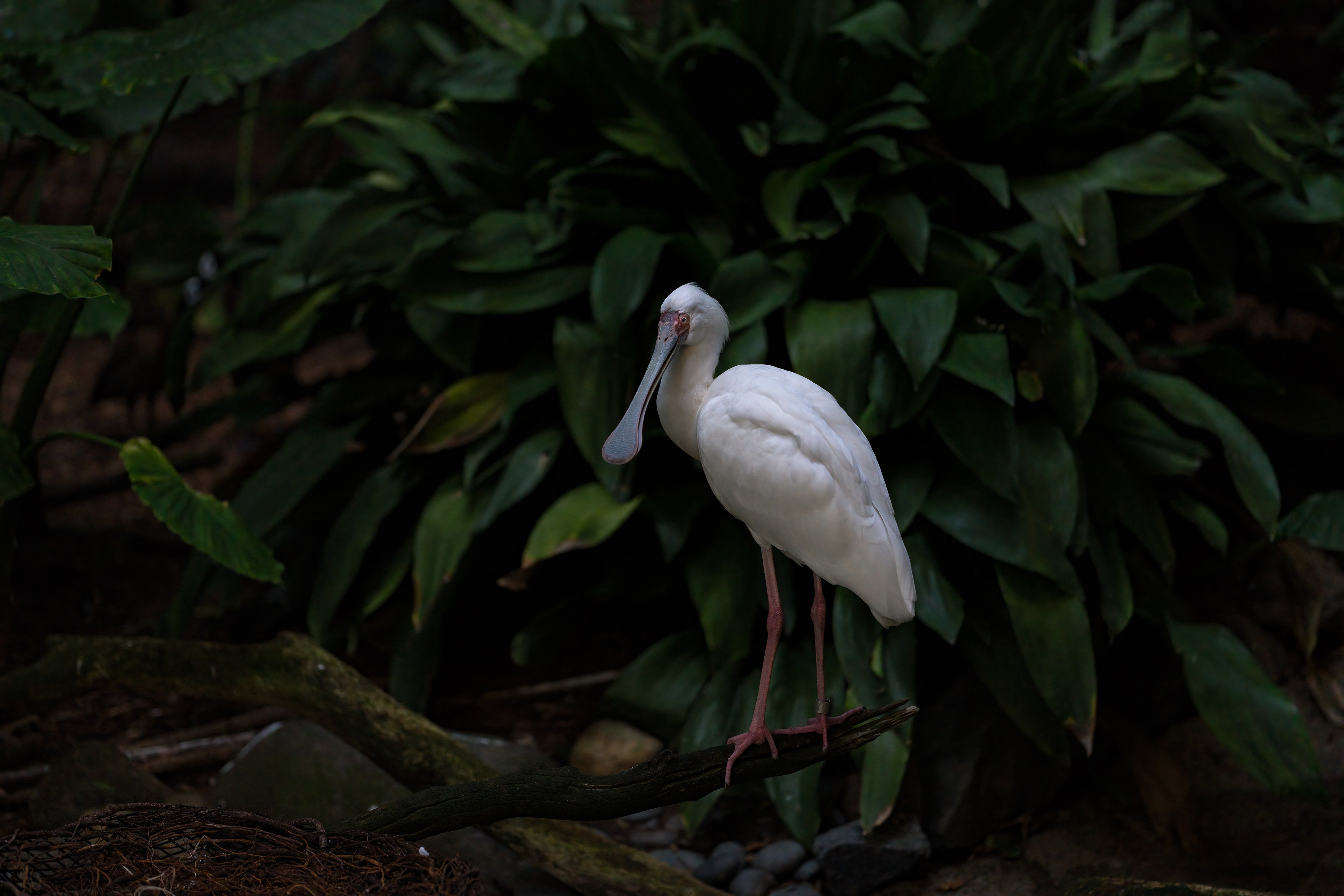
African Spoonbill
It feeds by opening its beak a little and swinging it in the water from side to side. It snaps its bill shut when it feels food.
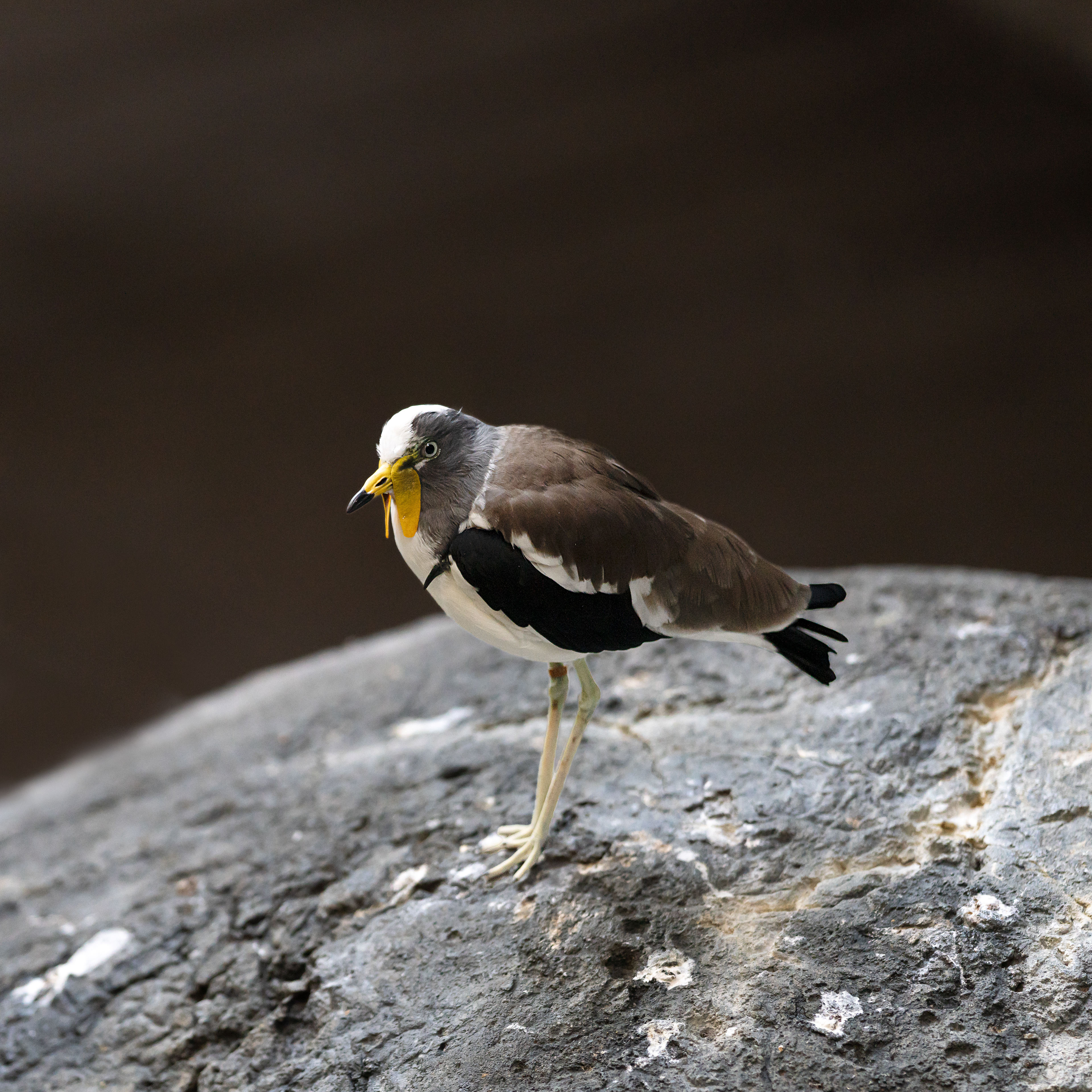
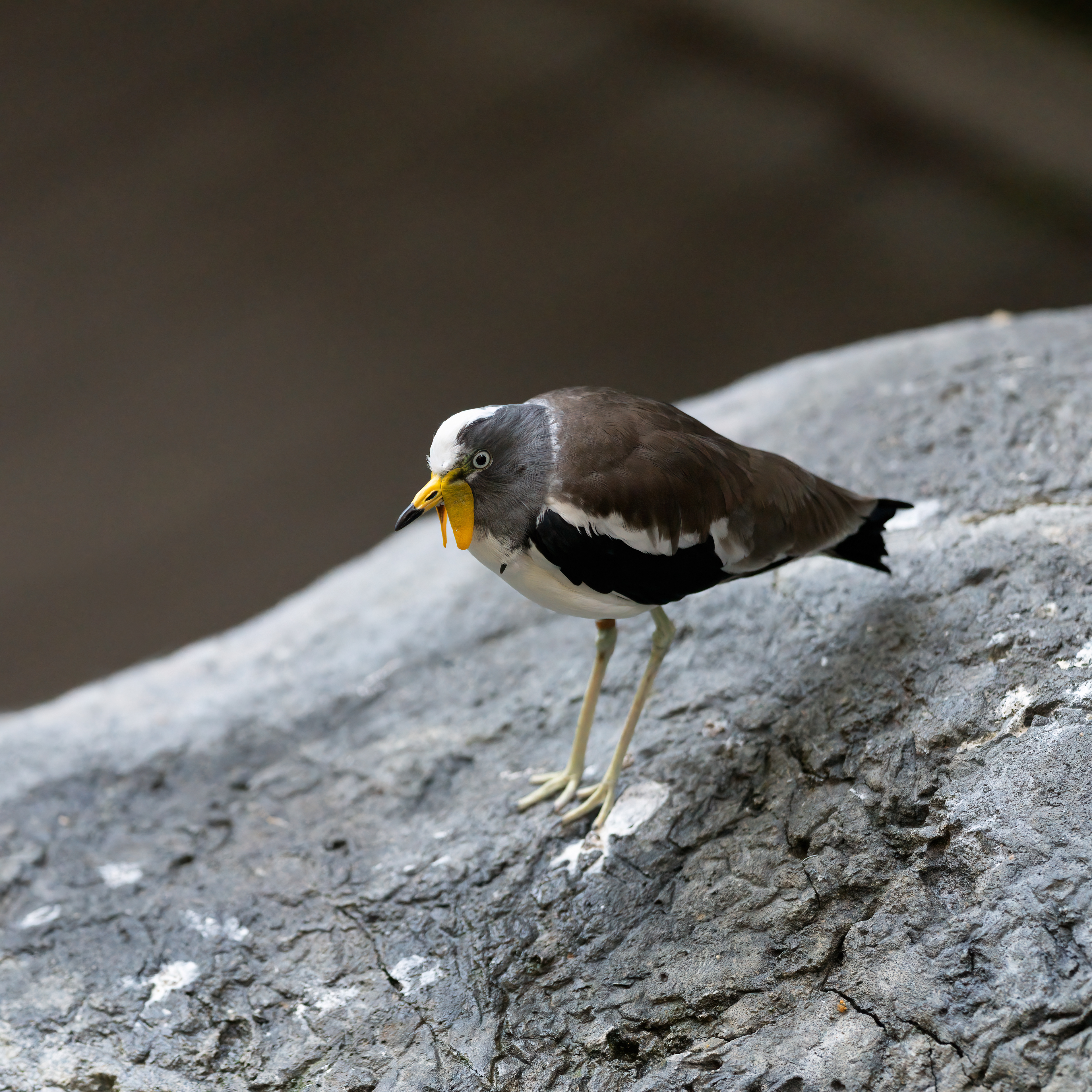
White crowned Lapwing
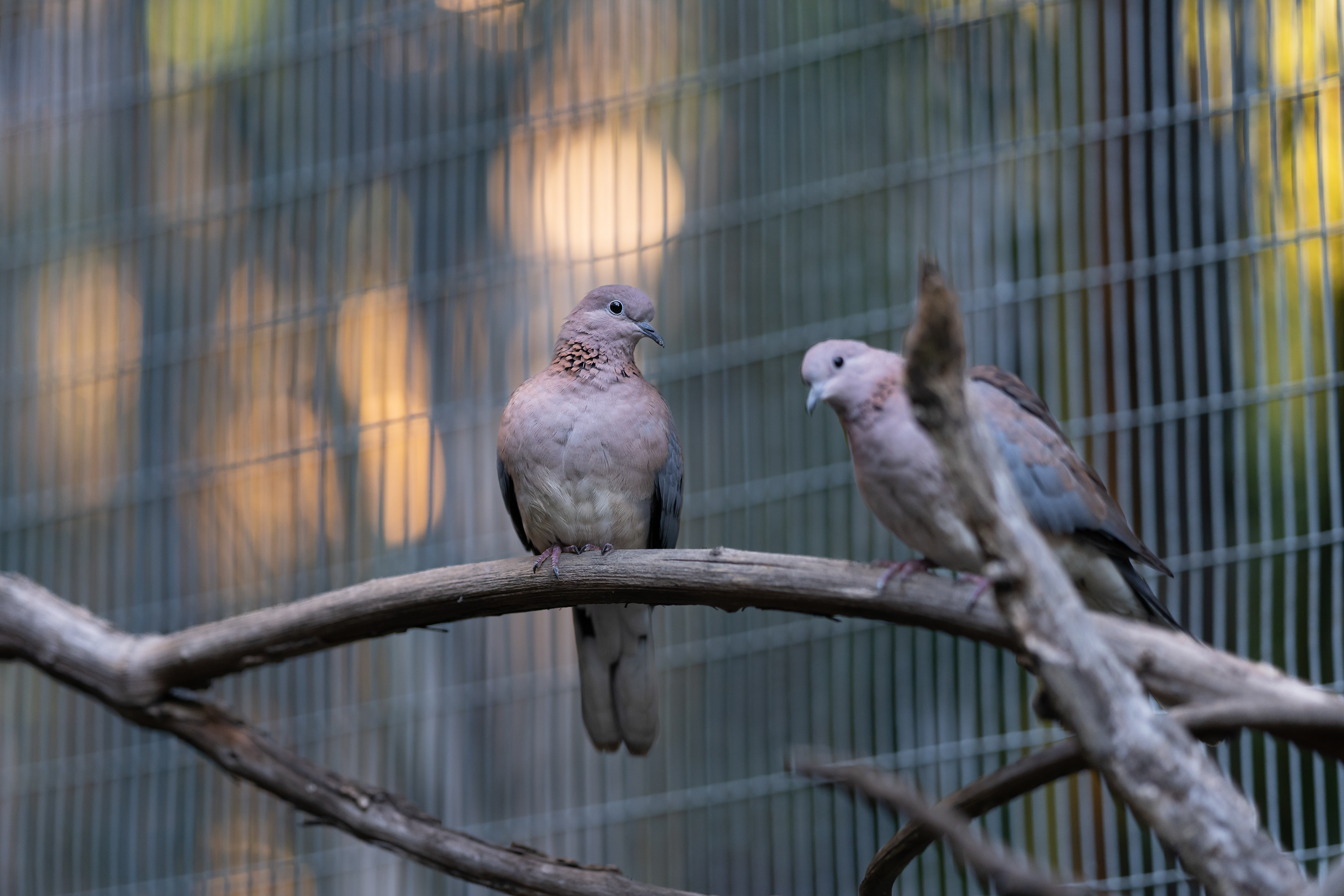
Senegal Laughing Dove
So-called, obviously, after the sound it makes.
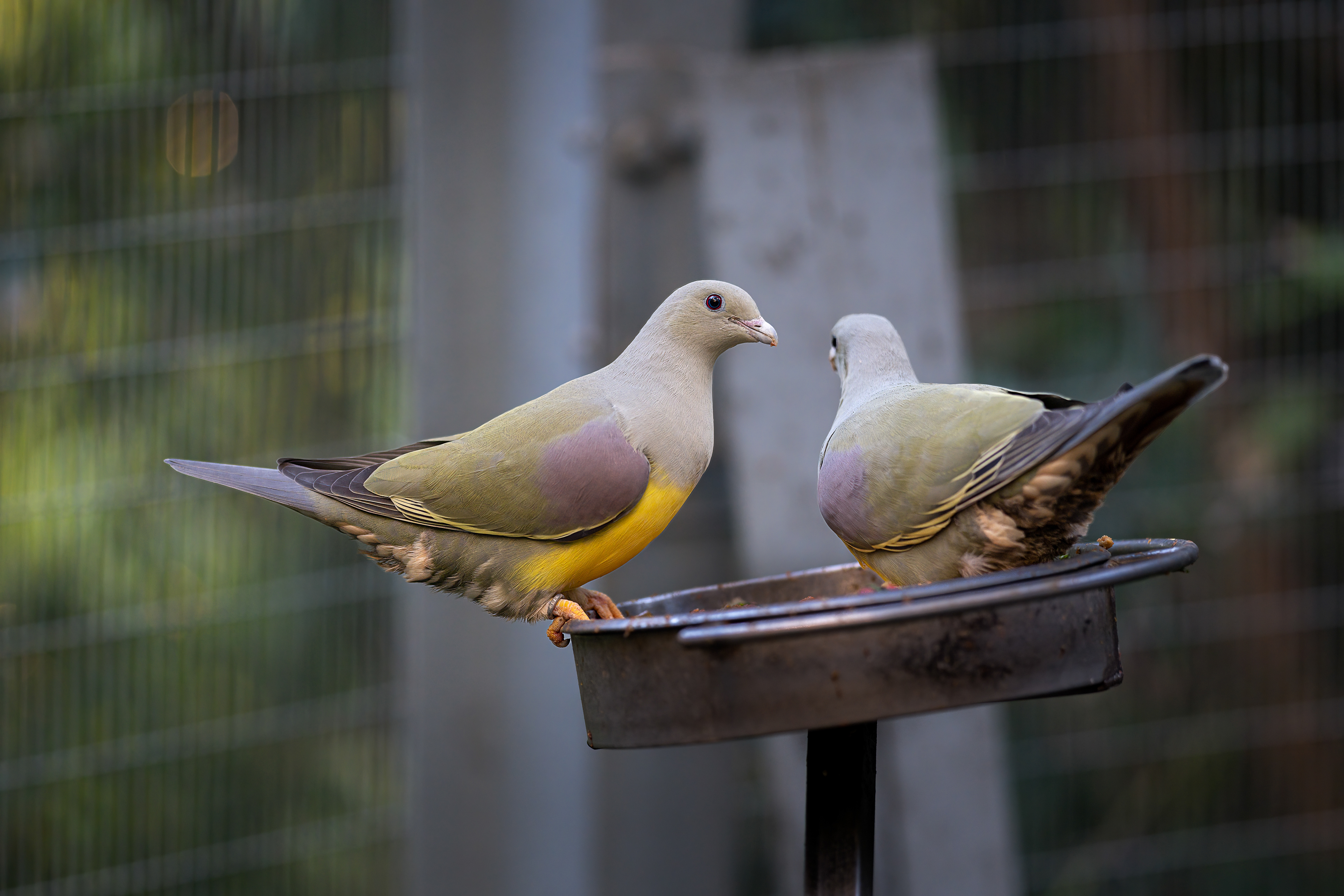
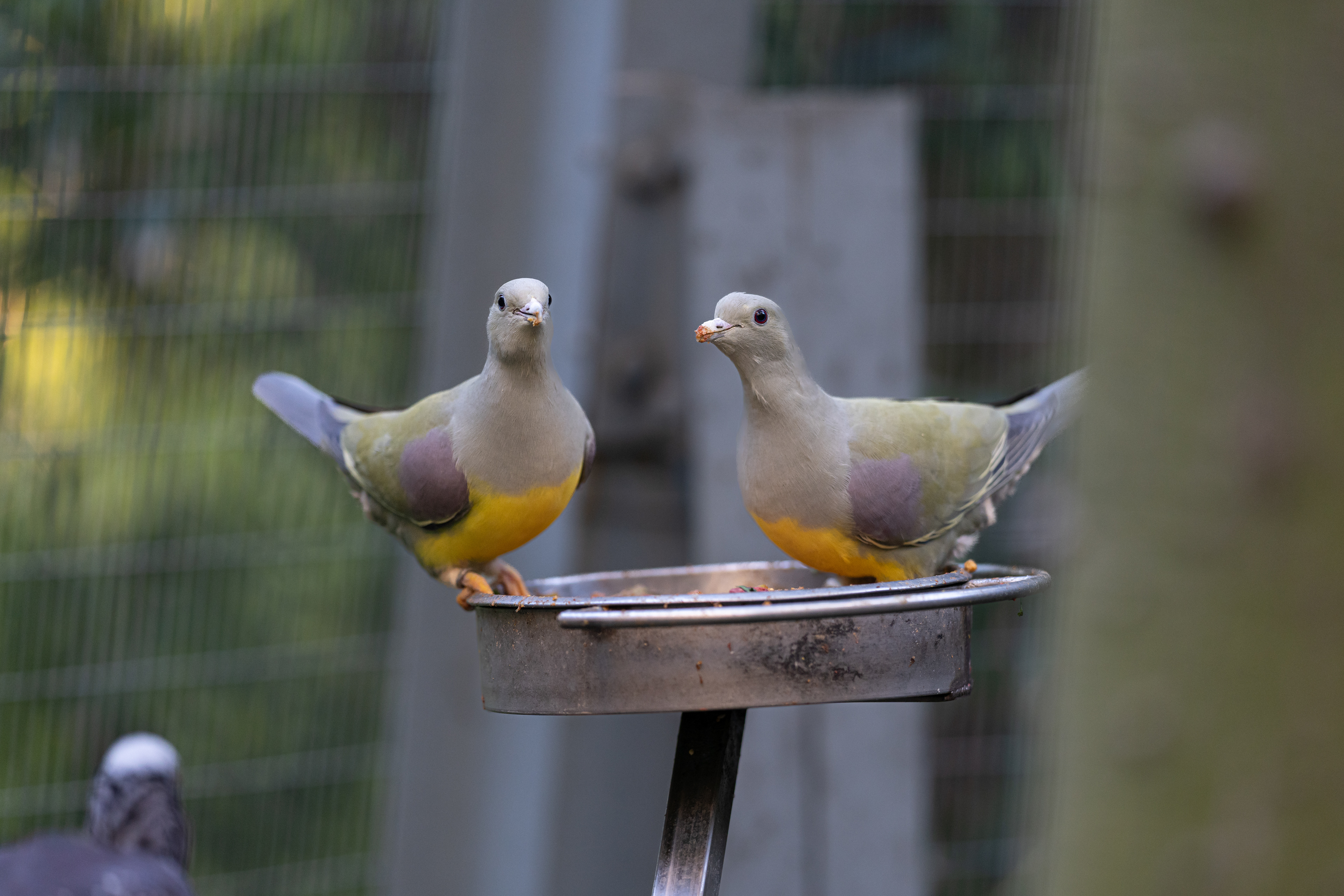
Bruce's Green Pigeon
It is well-known for not being especially green. And what green it has is due to its diet. It is named after James Bruce, who discovered the bird in his pursuit of the source of the Nile in 1768-70.
He claimed to have discovered the source of the Blue Nile, and declared this to be the source of the Nile as a whole on the grounds that it was the more important branch in ancient tradition. But it had already been discovered by a Jesuit missionary in 1618. The source of the other branch, the White Nile, remained a mystery until 1885.
Given James Bruce's other claims, one wonders who really first came upon and described his Green Pigeon.
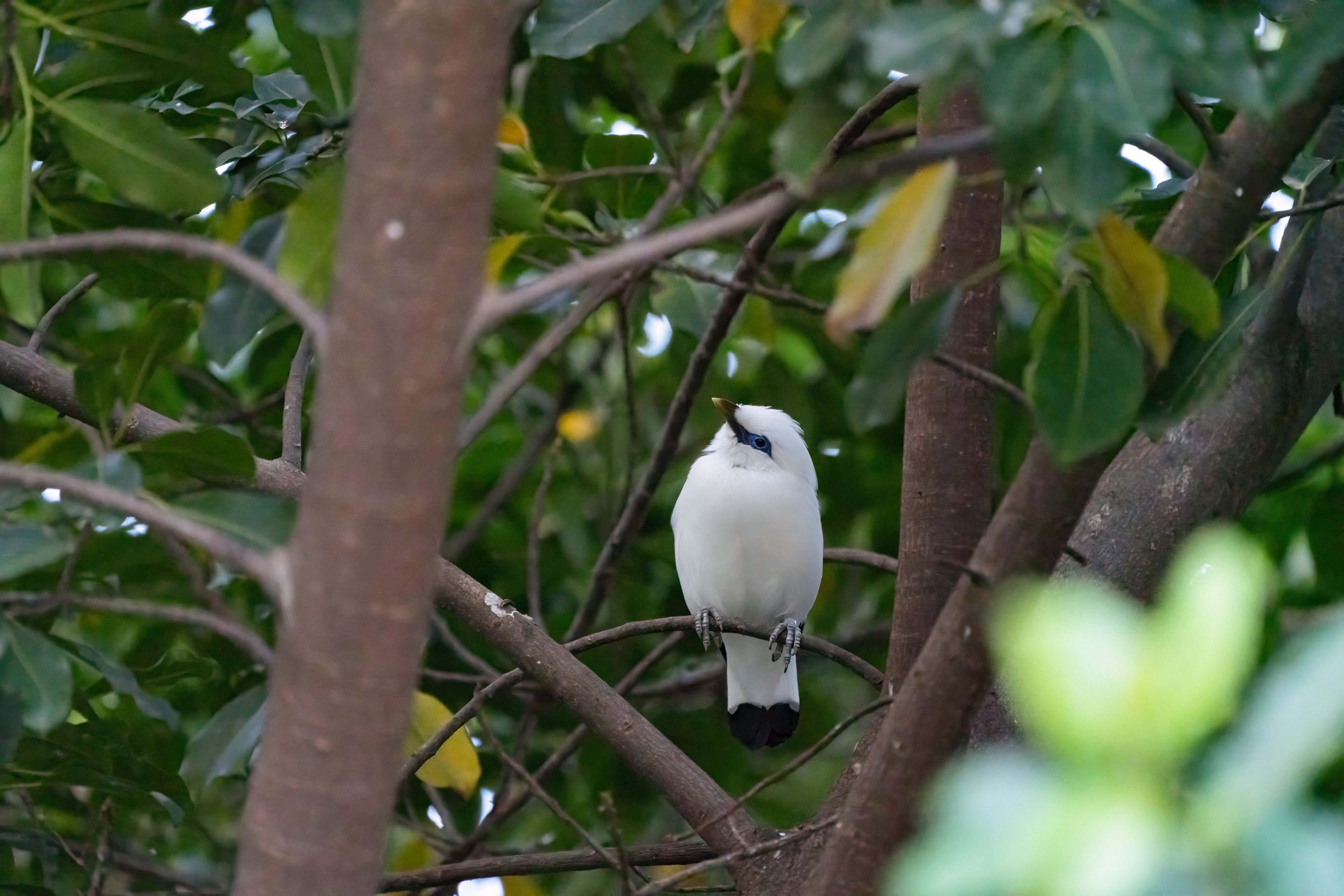
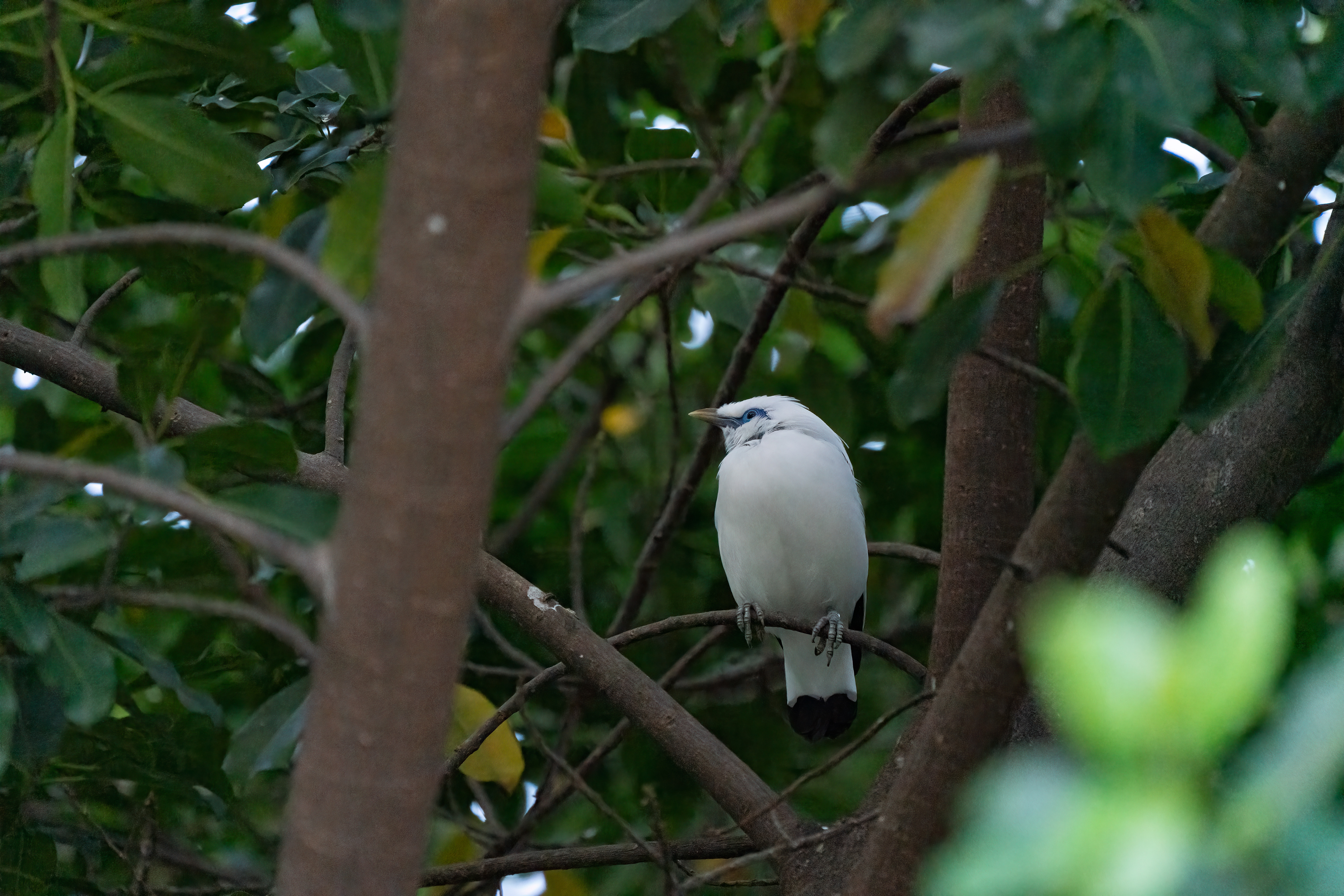
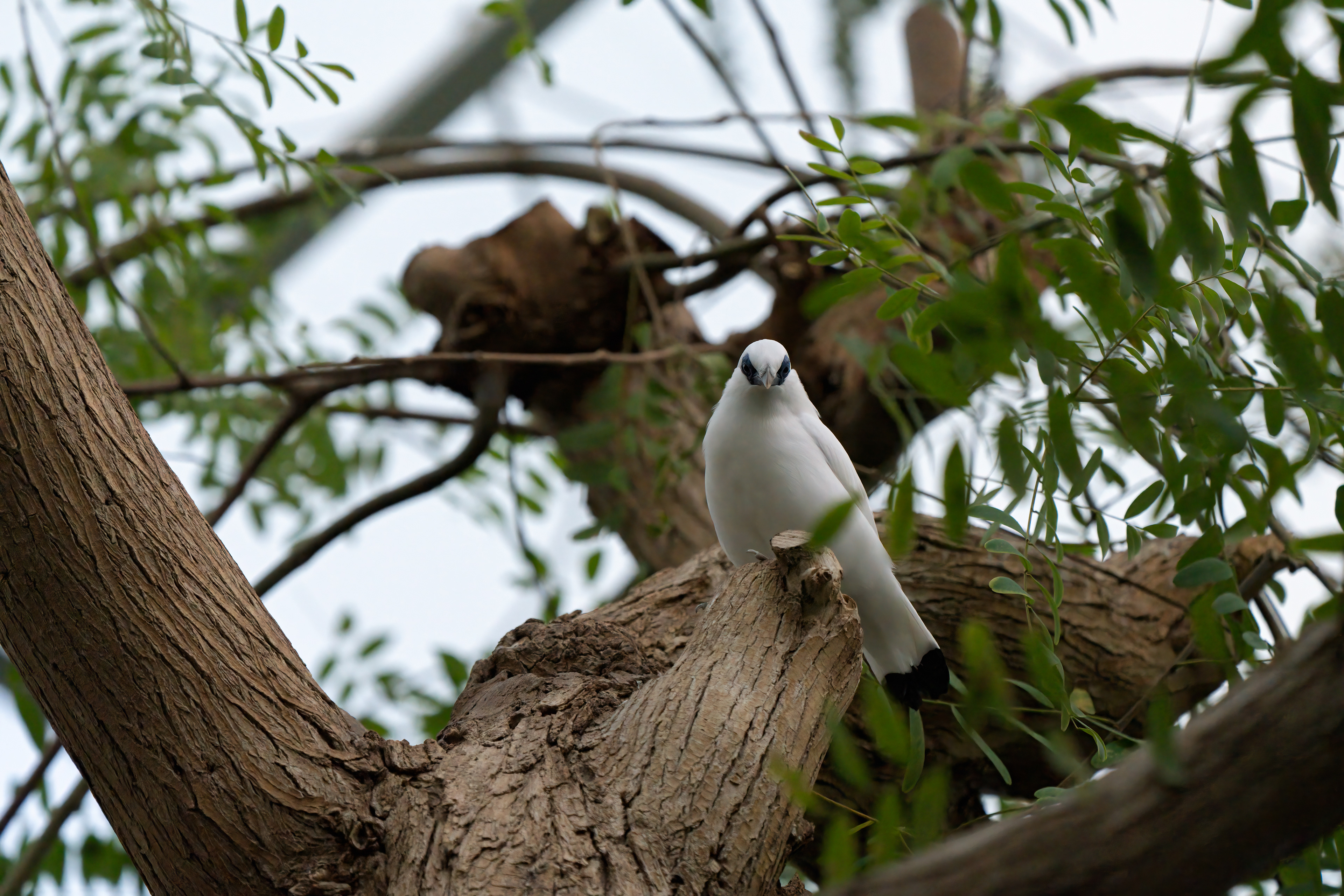
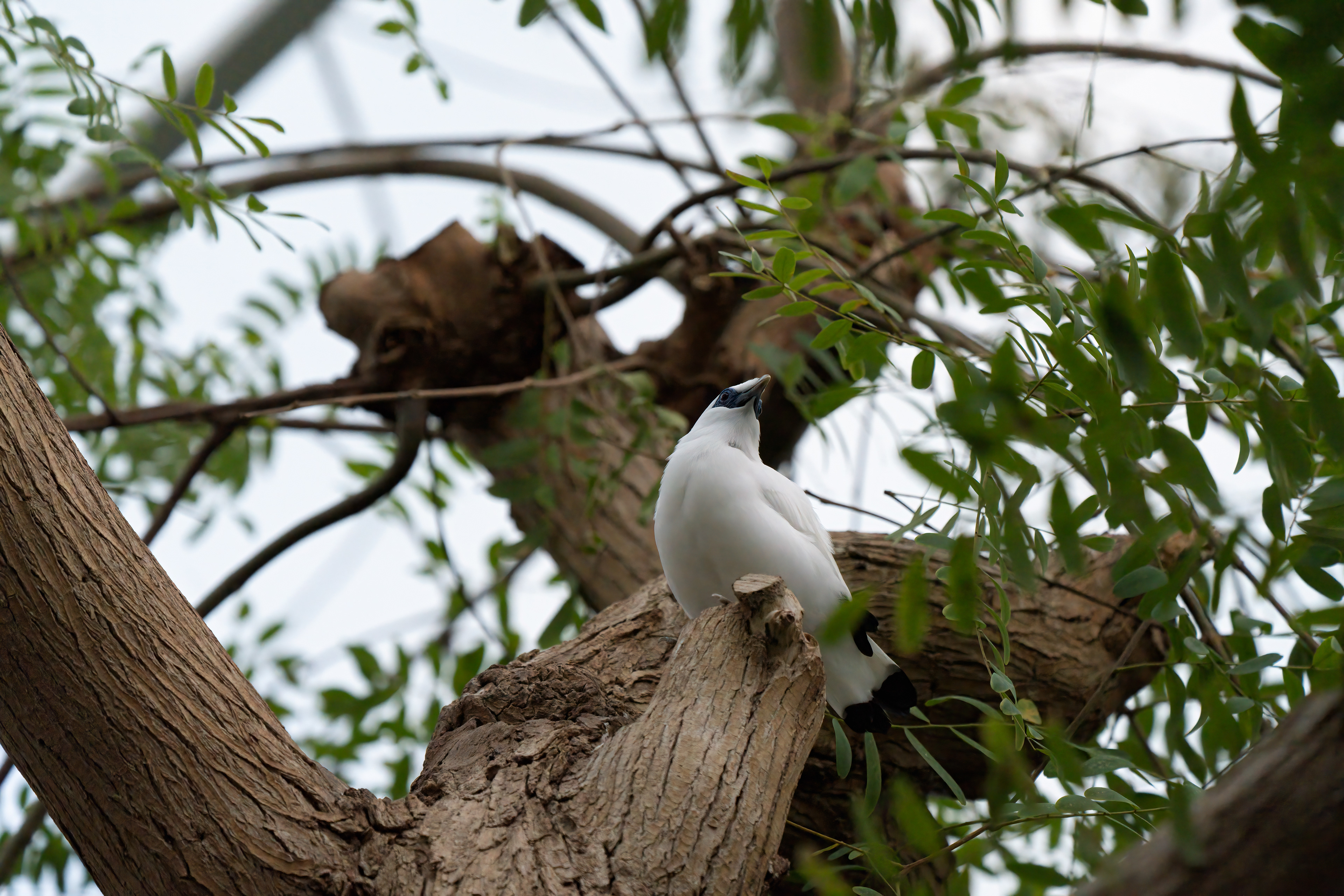
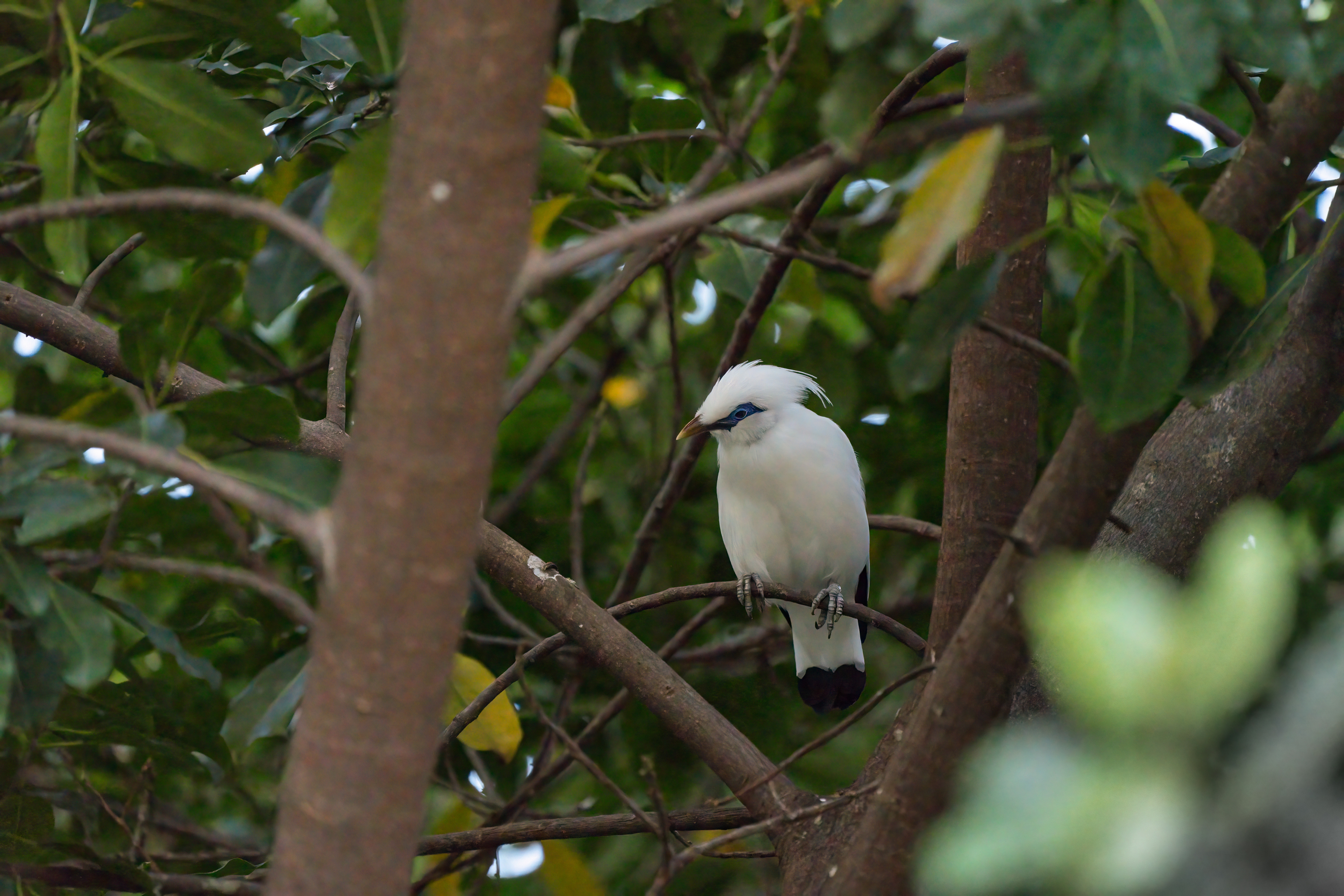
Bali Myna
Aka Rothschild's Myna after Lord Rothschild who described it in 1912.
Apparently closely related to starlings.
It is critically endangered. There were less than 100 birds in the wild back in 2015. Another bird, then, that relies on zoos to maintain the population.
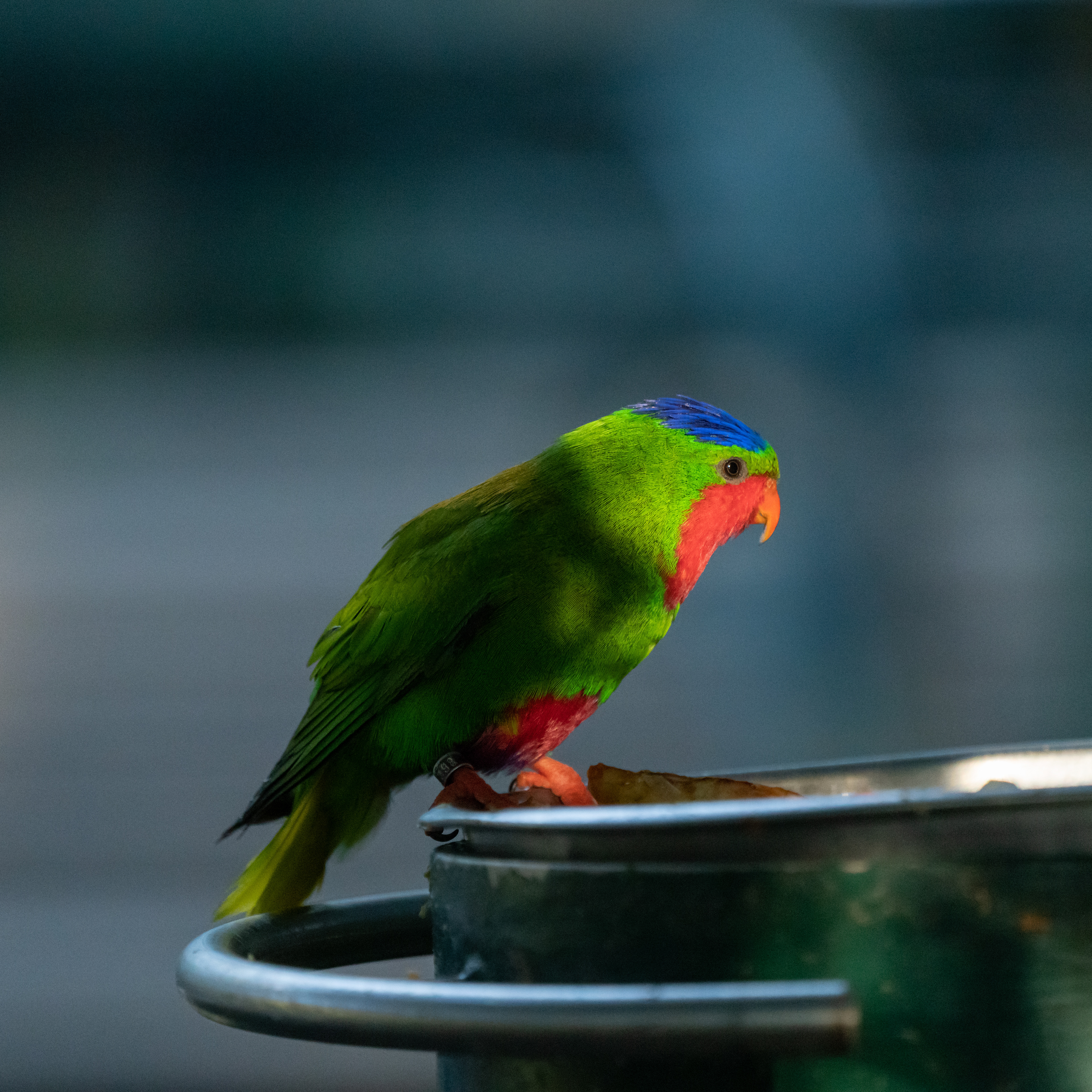
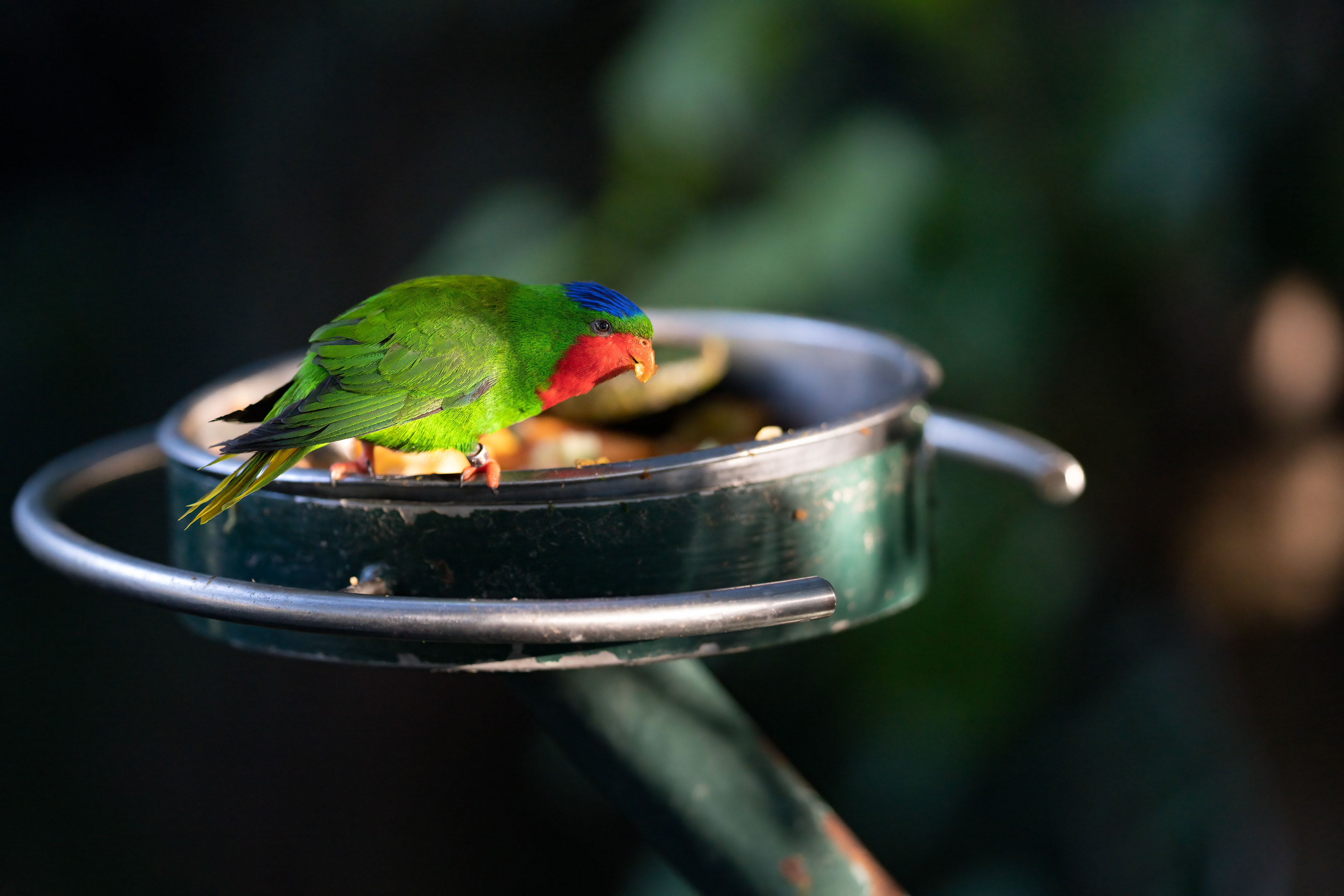
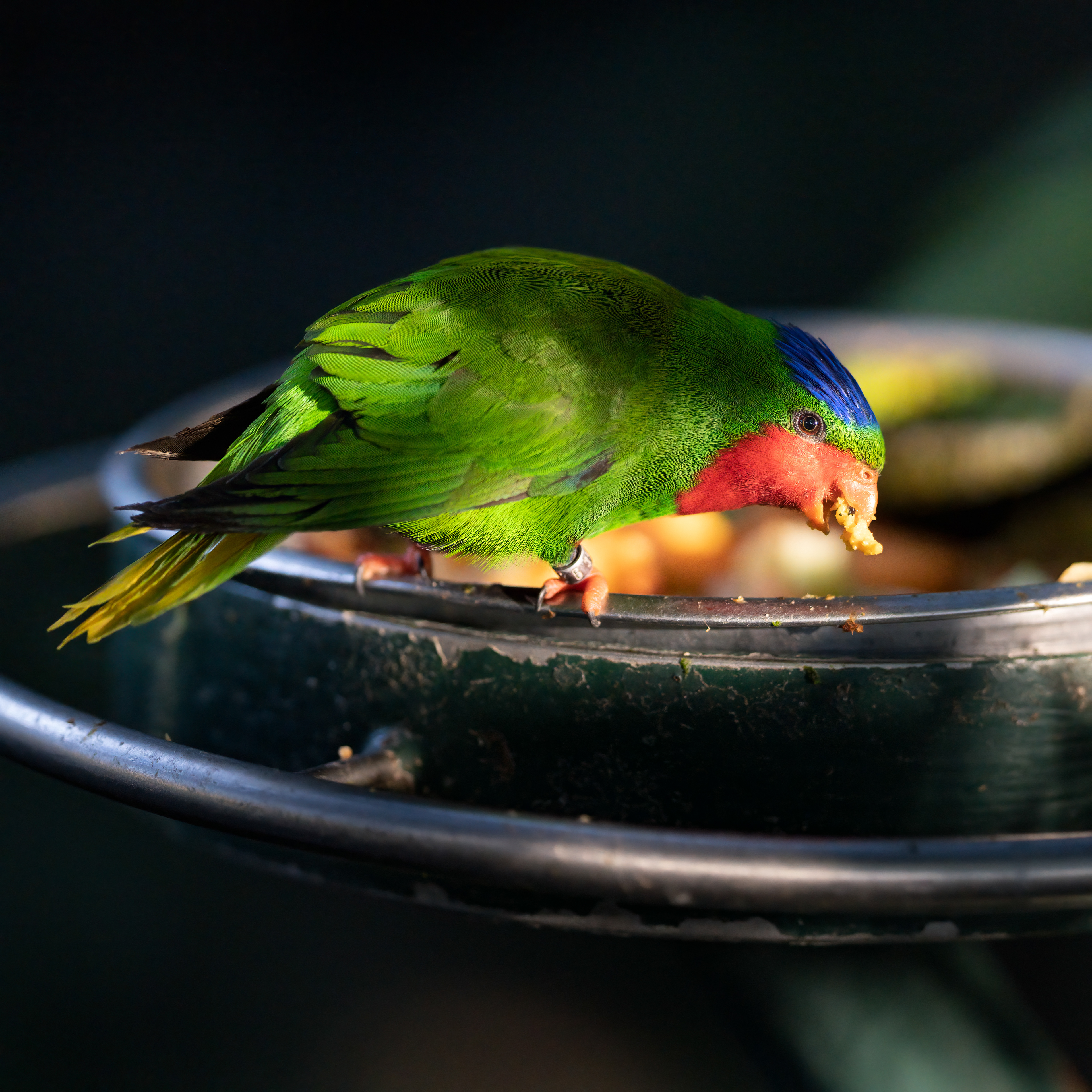
Blue crowned Lorikeet
(Too smart to be endangered.)
African Olive Pigeon